
Lebanon · 20 June, 2026 · 3 min read
Iran Shuts Strait of Hormuz Over Israeli Strikes in Lebanon as U.S. Says Traffic Continues
Iran claims it closed the Strait of Hormuz over Israeli strikes in Lebanon The United States denies the closure, saying the Strait remains open
Iran says Strait of Hormuz is closed vs U.S. says traffic continues.
8 of 9 outlets skipped it: bürgenstock Resort stayed closed to the public.
NBC News was read line by line by the Watchdog: 2.8. See the score →
10outlets compared
Same story, two versions
tap a side to read it in full
The Guardian
““Traffic continues to flow, and US forces are monitoring the situation””Read the original ↗
Dispute threatens interim deal credibility and global energy risk.
Hormuz dispute and Lebanon truce
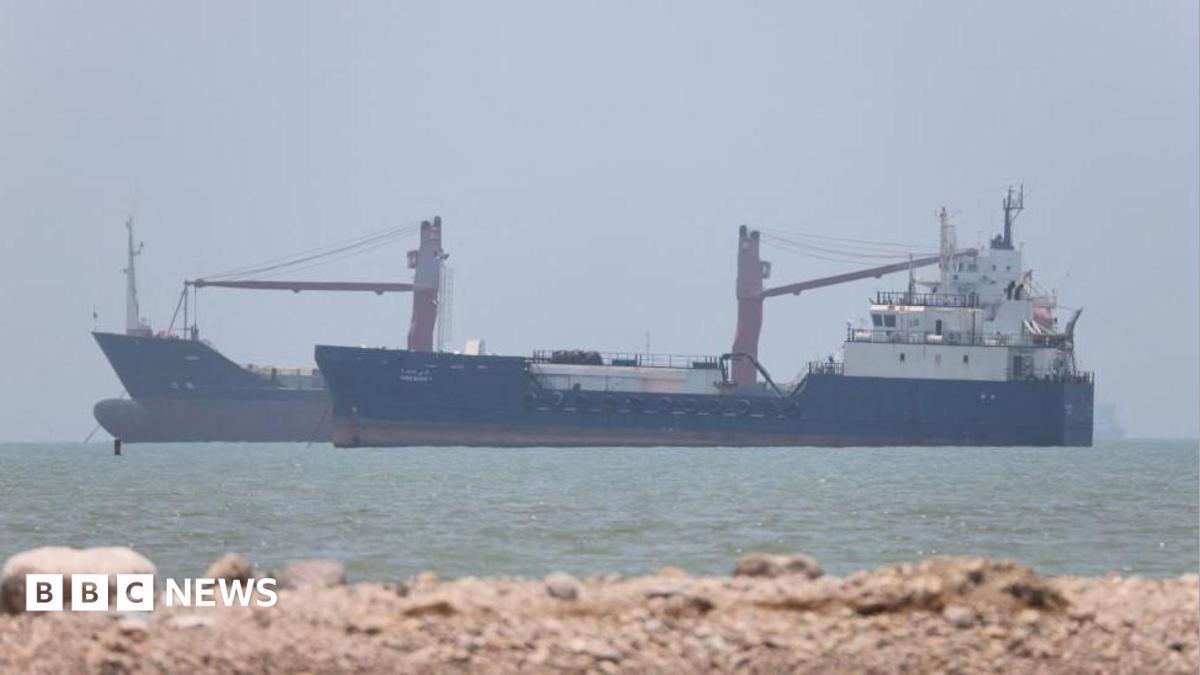
Iran said it shut the Strait of Hormuz over ceasefire violations after Israeli strikes in Lebanon, while U.S. Central Command said traffic continued with 55 merchant ships transiting the strait on Saturday.
“the Lebanon ceasefire issue”
The dispute played out alongside a Lebanon ceasefire that U.S. officials said took effect at 4 p.m. local time on Friday, even as Israeli forces and Hezbollah continued to exchange fire and each blamed the other for violating the agreement.
In Lebanon, the BBC reported that the U.S. vice-president hoped to make progress on "the Lebanon ceasefire issue" as an Iranian delegation led by Parliamentary Speaker Mohammad Bagher Ghalibaf arrived in Switzerland for further talks with the U.S.
The Guardian reported that Iran’s Islamic Revolutionary Guard Corps warned ships not to approach the strategic waterway, citing what it called Israeli crimes in Lebanon and a U.S. violation of commitments to establish a ceasefire.T
As the interim U.S.-Iran arrangement remained fragile, the CBS News live updates described the Lebanon situation as having "calmed down" even as more than a dozen people were killed in Lebanon by Israeli strikes overnight Saturday.
Voices trade blame
U.S. officials denied Iran’s claim that the strait was closed, with the Guardian quoting Navy Capt Tim Hawkins saying, "Traffic continues to flow, and US forces are monitoring the situation to ensure this remains the case."T
Iran framed the closure as a response to Israeli actions in Lebanon, with the Guardian reporting the IRGC warning ships not to approach the waterway and citing "Israeli crimes in Lebanon" and a U.S. violation of commitments.T
On the Lebanon ceasefire itself, France 24 reported that an American official confirmed Israel and Hezbollah agreed to a ceasefire on Friday, with the Israeli official saying, "if Hezbollah does not launch attacks against us, this is not a time of war for us."
Hezbollah’s position was described by the Guardian through Hassan Fadlallah, a Hezbollah parliamentarian, who said, "There is talk of a ceasefire. TFor us, what concerns us is that the enemy fully … doesn’t attempt to attack our country."
Al Jazeera Net added that a U.S. official told it the Israeli army informed Central Command it ordered units to strictly adhere to the ceasefire in Lebanon, as Washington intensified pressure on Tel Aviv.
What’s at stake next
The standoff over Lebanon threatened to derail the interim U.S.-Iran peace track, with the Guardian saying Iran’s move to close the strait "threatens to derail the fragile interim peace deal with the US" signed days earlier.
“threatens to derail the fragile interim peace deal with the US”
Negotiators were set to proceed in Switzerland, where the BBC said an Iranian delegation led by Mohammad Bagher Ghalibaf arrived ahead of further talks with the U.S., while CBS News reported that Bürgenstock Resort would remain closed to the public through Tuesday.
In Lebanon, the stakes were immediate: France 24 said the agreement with Iran provided for "an immediate and permanent halt to military operations on all fronts, including Lebanon," while Reuters-linked reporting in the same article described Israeli forces remaining in south Lebanon.
The Guardian reported that Israeli strikes on southern Lebanon on Saturday killed at least 16 people, and Lebanon’s civil defence agency said its personnel transported "16 dead and 12 wounded" to hospital in the Nabatieh district.T
With the next phase of diplomacy tied to halting fighting in Lebanon, NPR described the Strait of Hormuz closure as a direct challenge to the memorandum of understanding, while CBC News said the U.S. vice-president hoped to make progress on "the Lebanon ceasefire issue" during talks in Switzerland.N