
Iran closes Strait of Hormuz in retaliation for U.S.-Israeli strikes
Key Takeaways
- Iran effectively closed the Strait of Hormuz, blocking most oil passage.
- The Strait is a vital global oil chokepoint with wide economic impact.
- Global oil markets face potential disruption and price pressures.
Iranian Retaliation
Iran has effectively closed the Strait of Hormuz in retaliation for U.S.-Israeli strikes that began on February 28 with the killing of Iran's supreme leader.
“Three ships were attacked in the Strait of Hormuz on Wednesday, a British navy-run monitoring service said, the latest in a flurry of attacks on the vital oil choke point”
This action has plunged global energy markets into crisis amid escalating tensions.
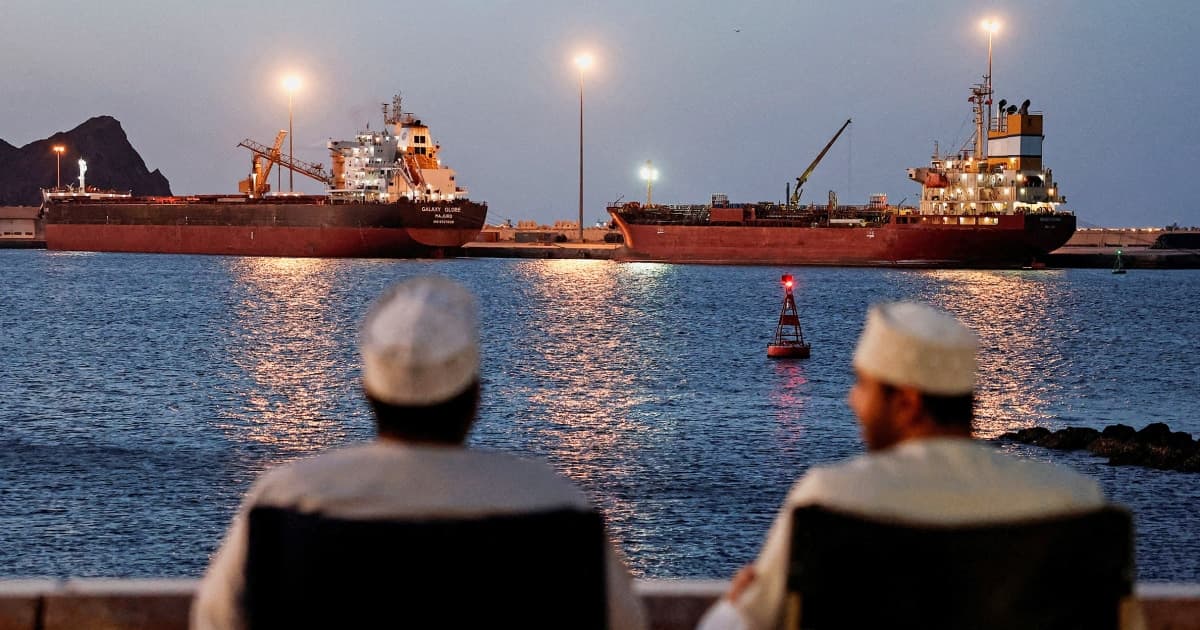
Iranian officials describe the war as existential, with the Islamic Revolutionary Guard Corps increasingly taking charge of strategy.
The narrow passage between Iran and Oman normally carries about a fifth of global oil and liquefied natural gas supplies.
Traffic through the strait has dropped by 97% since the conflict began, according to United Nations data.
This dramatic closure represents a significant escalation from previous verbal warnings about controlling the vital waterway.
Economic Impact
The closure of the Strait of Hormuz poses severe economic risks to global markets.
Iran has explicitly threatened oil prices could reach $200 per barrel.
The International Energy Agency announced the release of 400 million barrels from emergency reserves to stabilize markets.
President Donald Trump responded by stating the United States had destroyed 28 ships capable of laying mines.
Fears persist that Tehran could deploy hundreds of mines to booby-trap the shipping lane.
The financial infrastructure enabling global shipping is temporarily breaking down according to maritime risk experts.
Captains and shipowners face legal, insurance and brokerage concerns that leave them with little choice but to wait out the crisis.
The strait, just 30 miles wide and challenging in peacetime, has become virtually impassable.
Recent Attacks
Recent attacks in the strait have intensified the crisis.
“Three ships were attacked in the Strait of Hormuz on Wednesday, a British navy-run monitoring service said, the latest in a flurry of attacks on the vital oil choke point”
Three ships were attacked on Wednesday alone according to the UK Maritime Trade Organization.
A cargo vessel was hit by an unknown projectile 11 nautical miles north of Oman, causing a fire and forcing crew evacuation.
A bulk carrier 50 nautical miles northwest of Dubai was struck but crew remained safe.
A container vessel was assessing damage after being hit.
Among the attacked vessels was one flying the Liberian flag and another identified as Thai by Thailand's transport ministry.
This brings the total number of ships hit since the conflict began to 13.
Britain's Joint Maritime Information Center noted no confirmed evidence of mine deployment but one attack showed 'severe explosive event at or near the waterline.'
The Iranian armed forces spokesperson stated: 'We will not allow even one liter of oil to pass through the Strait of Hormuz for the benefit of the U.S. and its allies.'
Global Response
The international community is scrambling to respond to the crisis.
President Trump has threatened to hit Iran '20 times harder' if it continues disrupting the vital fuel supply artery.
Energy markets remain volatile despite slight price declines from recent highs.
The situation has exposed the fragile nature of global trade infrastructure.
Analysts liken it to the Suez Canal blockage in 2021 or Baltimore's bridge collapse in 2024.
Environmental groups warn of ecological risks, with Greenpeace Germany calling it an 'ecological ticking time bomb'.
A major oil spill could threaten coral reefs, mangrove forests and seagrass meadows.
The strait serves as the only viable sea route for exports from several Gulf oil-producing countries.
Its closure represents a geopolitical earthquake with far-reaching consequences for global energy security.
More on Iran
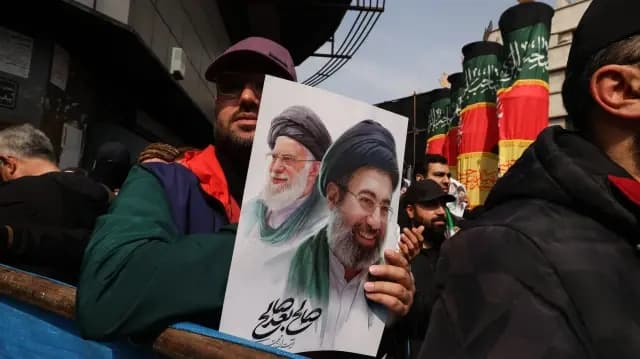
Russia Secretly Airlifts Iran's Supreme Leader Mojtaba Khamenei to Moscow for Surgery
11 sources compared
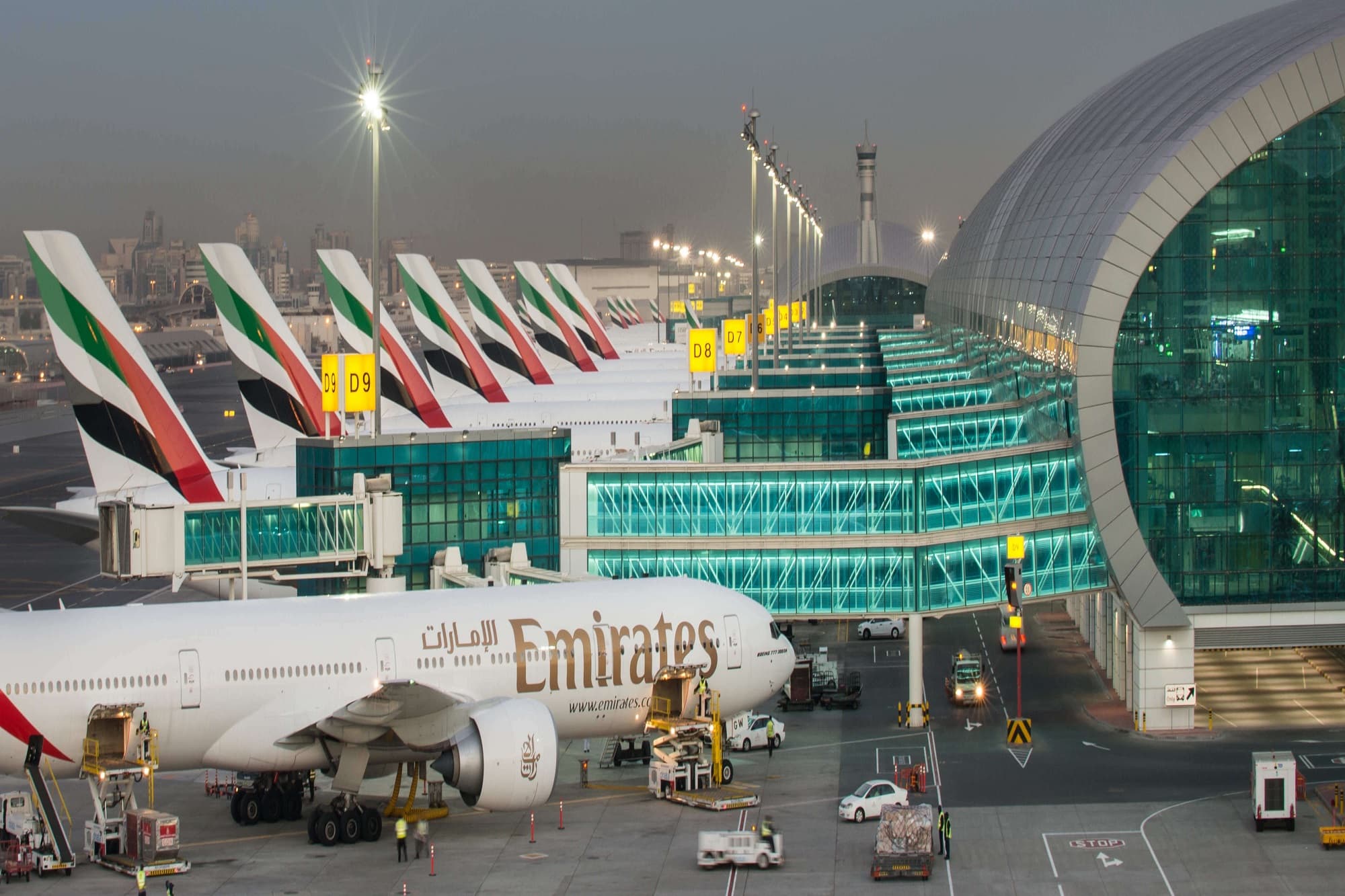
Iranian Drone Strike Shuts Dubai International Airport, Thousands Stranded
25 sources compared

Iran Drone Strike Shuts Dubai International Airport, Triggers Global Travel Disruption
16 sources compared

Iran's New Supreme Leader Mojtaba Khamenei Travels to Moscow for Leg Surgery
15 sources compared