
Iran Collects $2 Million Transit Fees From Some Vessels Crossing Strait of Hormuz
Key Takeaways
- Iranian lawmaker says some vessels pay up to $2 million to pass Strait of Hormuz.
- Iran's embassy in India denies the claims as unfounded.
- No independent confirmation of a formal policy; reports remain unverified.
Fee Claim Contradictions
Conflicting reports have emerged regarding whether Iran is actually collecting $2 million transit fees from vessels passing through the Strait of Hormuz.
“Tuesday | Mar 24 2026 | Iran has reportedly begun charging steep transit fees to vessels passing through the Strait of Hormuz, signalling a new tactic to exert pressure on Gulf Cooperation Council (GCC) countries and the United States amid the ongoing conflict”
While multiple sources confirm that Iranian lawmaker Alaeddin Boroujerdi, a member of parliament's National Security and Foreign Policy Committee, has stated that Iran has begun charging select vessels up to $2 million for passage through the strategically vital waterway, Iranian authorities have vehemently denied these claims.

The Iranian embassy in India released a statement on X explicitly labeling such reports as 'unfounded,' emphasizing that 'the statements made in this regard merely reflect the personal views of individuals and do not, in any way, represent the official position of the Islamic Republic of Iran.'
This contradiction highlights the complex nature of the situation, where a senior Iranian official's public assertions are being officially repudiated by Tehran's diplomatic missions.
Boroujerdi's Sovereign Regime
The source of the controversial $2 million transit fee claim stems from Iranian lawmaker Alaeddin Boroujerdi, who has publicly framed the policy as both an economic necessity and a strategic assertion of Iranian sovereignty.
Boroujerdi, a member of the parliament's National Security and Foreign Policy Committee, has consistently described the fee as part of a new 'sovereign regime' governing the Strait of Hormuz after decades of established international norms.
He has explicitly linked the transit fees to the financial burden of ongoing conflicts, stating 'Now, because war has costs, naturally we must do this and take transit fees from ships passing through the Strait of Hormuz.'
In further comments carried by Iranian state media, Boroujerdi emphasized the symbolic significance of the policy, declaring 'Collecting $2 million as transit fees from some vessels crossing the strait reflects Iran's strength,' positioning the fee as both practical and political in nature.
Strategic Importance
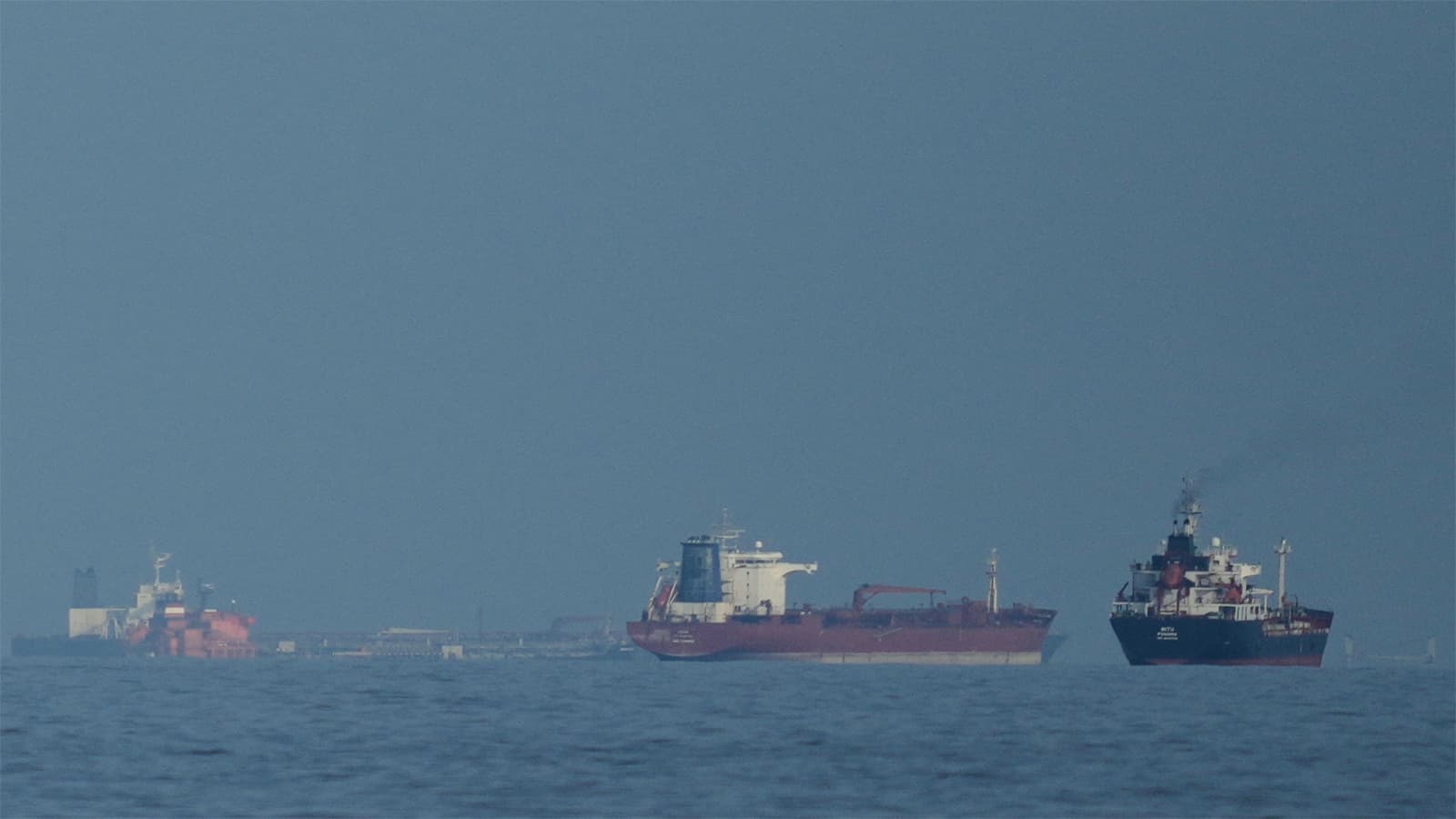
The Strait of Hormuz represents one of the world's most critical maritime chokepoints, with approximately 20% of global oil and liquefied natural gas supplies passing through this narrow waterway between the Persian Gulf and Gulf of Oman.
“In a post on X, the mission clarified its position regarding the strategic waterway through a formal statement addressing the allegations New Delhi: The Embassy of Iran in India has officially dismissed reports suggesting that Tehran is imposing a levy of USD 2 million on vessels navigating the Strait of Hormuz amid the escalating conflict in the Middle East”
The strategic significance of this transit route cannot be overstated, as it normally handles about 20 million barrels of oil per day and plays a vital role in international energy security.
However, since early March 2026, Iran has effectively closed the strait to most ships, driving up shipping and insurance costs, pushing oil prices higher, and raising global economic concerns.
Maritime traffic has plummeted by an estimated 95% since early March, falling from 120 daily crossings to roughly 100 total over the last three weeks, according to some reports.
This disruption has immediate and far-reaching consequences for global energy markets and could potentially trigger what the International Energy Agency (IEA) has described as 'the worst energy crisis in decades.'
Iran-US Tensions Escalate
The controversy over the $2 million transit fee occurs amid escalating tensions between Iran and the United States, with President Donald Trump issuing a dramatic 48-hour ultimatum demanding the waterway's full reopening.
Trump took to Truth Social to issue his stark warning: 'If Iran doesn't FULLY OPEN, WITHOUT THREAT, the Strait of Hormuz, within 48 HOURS from this exact point in time, the United States of America will hit and obliterate their various POWER PLANTS, STARTING WITH THE BIGGEST ONE FIRST!'

In response, Iran's leadership has condemned what they view as aggressive threats, with President Masoud Pezeshkian declaring 'The illusion of erasing Iran from the map shows desperation against the will of a history-making nation.'
Iran has further warned that if its infrastructure is attacked, Tehran would target 'all energy, information technology, and desalination infrastructure belonging to the US and the Israeli regime in the region.'
This high-stakes confrontation has transformed the Strait of Hormuz from a critical economic corridor into a potential flashpoint for direct conflict between regional and global powers.
Selective Passage Arrangements
Despite the conflicting reports about formal transit fees, it appears Iran is implementing a system of selective passage through the Strait of Hormuz rather than a universally applied tariff.
“New Delhi: Iran on Monday refuted claims about Tehran receiving $2 million from vessels transiting through the critical Strait of Hormuz, terming such reports as 'unfounded'”
Multiple sources indicate that while the strait is not entirely closed, passage depends heavily on political alignment and coordination with Iranian authorities.

Iranian officials have stated that vessels linked to countries considered hostile or supportive of adversaries may be denied access, while others are permitted under specific arrangements.
There have been tangible examples of this selective approach, with reports indicating that Indian-flagged vessels carrying liquefied petroleum gas have been allowed to transit the strait, with at least two such ships granted passage and others preparing to follow.
Ship-tracking data has also shown that a Pakistani oil tanker successfully navigated the route after negotiations.
International maritime experts and legal analysts have described any payments as 'negotiated safe-passage tolls' rather than formal maritime tariffs, noting that the fees appear to be applied selectively based on vessel nationality and cargo type rather than as a standardized regulatory fee.
More on Iran

President Trump delays strikes on Iran power plants for five days amid conflicting reports.
41 sources compared
Trump Says U.S.-Iran Talks Ongoing as Iran Denies Negotiations.
10 sources compared
Trump Says Talks With Iran Ongoing; Iran Denies Negotiations.
15 sources compared

US State Department Warns Americans Worldwide of Possible Attacks Amid War With Iran
14 sources compared