
Iran Confirms US Envoy Contact But Denies Talks, Rejects Ceasefire
Key Takeaways
- Iran confirms receiving messages from the U.S. envoy but denies direct negotiations.
- Exchanges described as messaging via intermediaries, not formal talks.
- Iran rejects a U.S. ceasefire plan and seeks end to war with guarantees.
Contact Without Negotiations
Araghchi confirmed receiving direct messages from US envoy but stressed this does not constitute formal negotiations.
“Could not find that page”
Exchanges are conducted within a governmental framework under the supervision of the National Security Council.

Iran categorically denies any direct talks with the United States.
Iran Rejects US 15-Point Plan
Iran has not sent any reply to the 15 American proposals.
Tehran insists it is not seeking a ceasefire but a complete halt to the war across the entire region.

The Iranian view rejects Washington's approach as unrealistic, unreasonable, and excessive.
Peace Efforts Through Regional Third Parties
Peace efforts have been conducted through regional intermediaries including Pakistan and Oman.
Iran confirms receiving messages via friends but warns no direct talks have taken place.
Iran insists the United States is the party that started the war.
Strait of Hormuz Remains Open
The Strait of Hormuz remains fully open.
It would only be restricted to parties engaged in hostilities against Iran.

Measures have been taken to ensure safe passage for vessels of friendly countries.
More on Iran
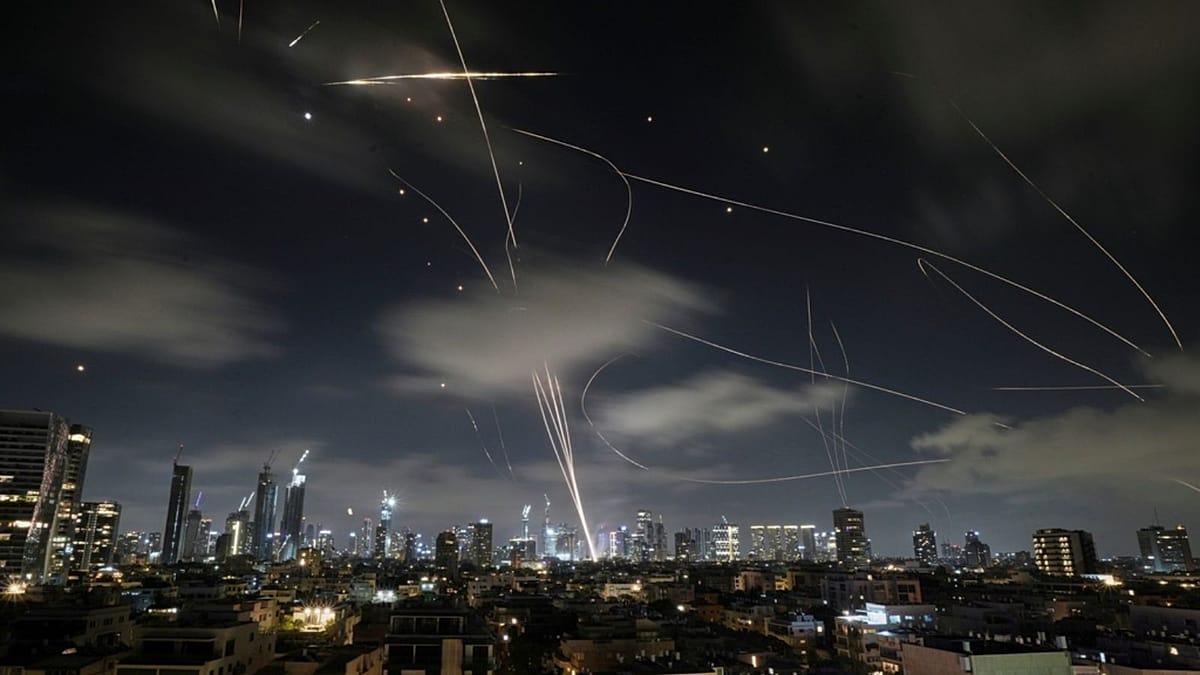
Jordan Intercepts Four Iranian Missiles, Regional Tensions Escalate
14 sources compared
Trump Sets Two-Week Iran Exit, Shifts Hormuz Responsibility to Allies
11 sources compared

Trump Signals US-End In Iran War Within Weeks While Leaves Strait Opening Unclear
16 sources compared
Trump Tells Allies to 'Go Get Your Own Oil' as Gas Tops $4
24 sources compared