
Iran Demands US-Israel Pledge to Guarantee No Future Attacks for Ceasefire
Key Takeaways
- Iran says ceasefire requires US and Israel guarantee no future attacks on Iran.
- Iran told intermediaries a ceasefire hinges on US and Israel promises of no future strikes.
- Iran is worried Israel could launch another attack after the current war ends.
Iran's Ceasefire Conditions
Iran has conditioned any potential ceasefire on receiving firm guarantees from the United States that neither it nor Israel will carry out future attacks against the country, according to officials familiar with the matter.
“Iran has informed regional intermediaries that any ceasefire would require a guarantee from the United States that neither it nor Israel would carry out future strikes on the country, according to several officials familiar with the matter”
Iranian authorities are particularly concerned that Israel could launch another attack once the current war concludes, creating uncertainty about the conflict's endgame.
The back-channel communications regarding these ceasefire conditions are being facilitated by several European and Middle Eastern countries acting as intermediaries.
Iran's President Masoud Pezeshkian has publicly stated that the only way to end the war is through 'recognizing Iran's legitimate rights, payment of reparations, and firm int'l guarantees against future aggression.'
He confirmed he has delivered this message directly to the leaders of Russia and Pakistan, indicating Iran is seeking broader international support for its ceasefire conditions.
Despite these diplomatic efforts, the conflict shows little indication of imminent de-escalation as all three countries publicly state they are prepared to continue fighting for several weeks if necessary.
Conflict Escalation
The conflict between the US-Israel alliance and Iran, which began on 28 February, continues to escalate with Iran maintaining its military campaign against Israel and Gulf states.
Iranian forces have been launching missiles and drones toward Israel as well as Saudi Arabia, the United Arab Emirates, Qatar, and Bahrain, demonstrating the conflict's regional scope.
Most significantly, Iran's attacks on commercial vessels have effectively shut down the Strait of Hormuz, a critical waterway through which about one-fifth of the world's oil and natural gas flows, creating widespread turmoil in global energy markets.
US President Donald Trump has suggested the conflict could end soon, claiming that the Iranian military has been degraded to a large extent, though this assessment appears optimistic given the ongoing Iranian operations.
The US and Israeli governments have sent mixed signals about their war objectives, creating uncertainty about their ultimate goals and willingness to accept a ceasefire under Iran's proposed terms.
Regional Mediation Efforts
Regional Gulf states are actively attempting to mediate the conflict, recognizing the severe economic and financial impacts the war is having on their economies.
“Iran has informed regional intermediaries that any ceasefire would require a guarantee from the United States that neither it nor Israel would carry out future strikes on the country, according to several officials familiar with the matter”
Saudi Arabia has intensified its direct engagement with Iran in an effort to contain the conflict, demonstrating growing concern about regional stability and economic consequences.
Other Gulf states affected by the war are also attempting to communicate with both Iran and the United States, seeking to prevent further escalation.
Oman's Sultan Haitham bin Tariq spoke with Iranian President Masoud Pezeshkian on 11 March, marking their first conversation since the conflict began.
According to Omani state media, the sultan condemned Iran's attacks on Oman but few additional details were disclosed, suggesting diplomatic sensitacies around the engagement.
The call followed Iranian drone strikes that hit fuel tanks at Salalah port in southern Oman, highlighting how the conflict is directly impacting Gulf infrastructure and economies.
Strategic Implications
Iran's demand for firm guarantees against future Israeli and US attacks represents a significant shift in the geopolitical landscape of the Middle East, reflecting the country's determination to establish clear red lines following the outbreak of war.
By linking the ceasefire to guarantees against future aggression, Iran is attempting to institutionalize constraints on Israeli military capabilities and US regional influence in a way that prevents future conflicts.
The requirement for 'payment of reparations' and 'recognizing Iran's legitimate rights' suggests Iran is seeking not just a temporary cessation of hostilities but a fundamental reordering of relations with its adversaries.
Iran's outreach to Russia and Pakistan indicates an attempt to build a broader coalition that could pressure the United States and Israel to accept these terms, potentially drawing in other international actors to mediate the conflict.
The effectiveness of this strategy remains uncertain, as both the US and Israel have shown reluctance to provide the guarantees Iran is demanding, preferring instead to maintain maximum flexibility in their military and diplomatic options.
More on Iran
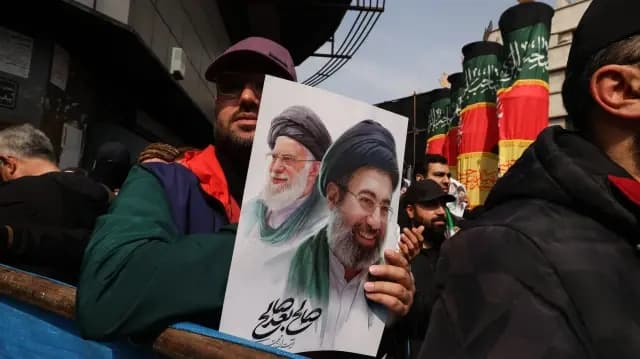
Russia Secretly Airlifts Iran's Supreme Leader Mojtaba Khamenei to Moscow for Surgery
11 sources compared
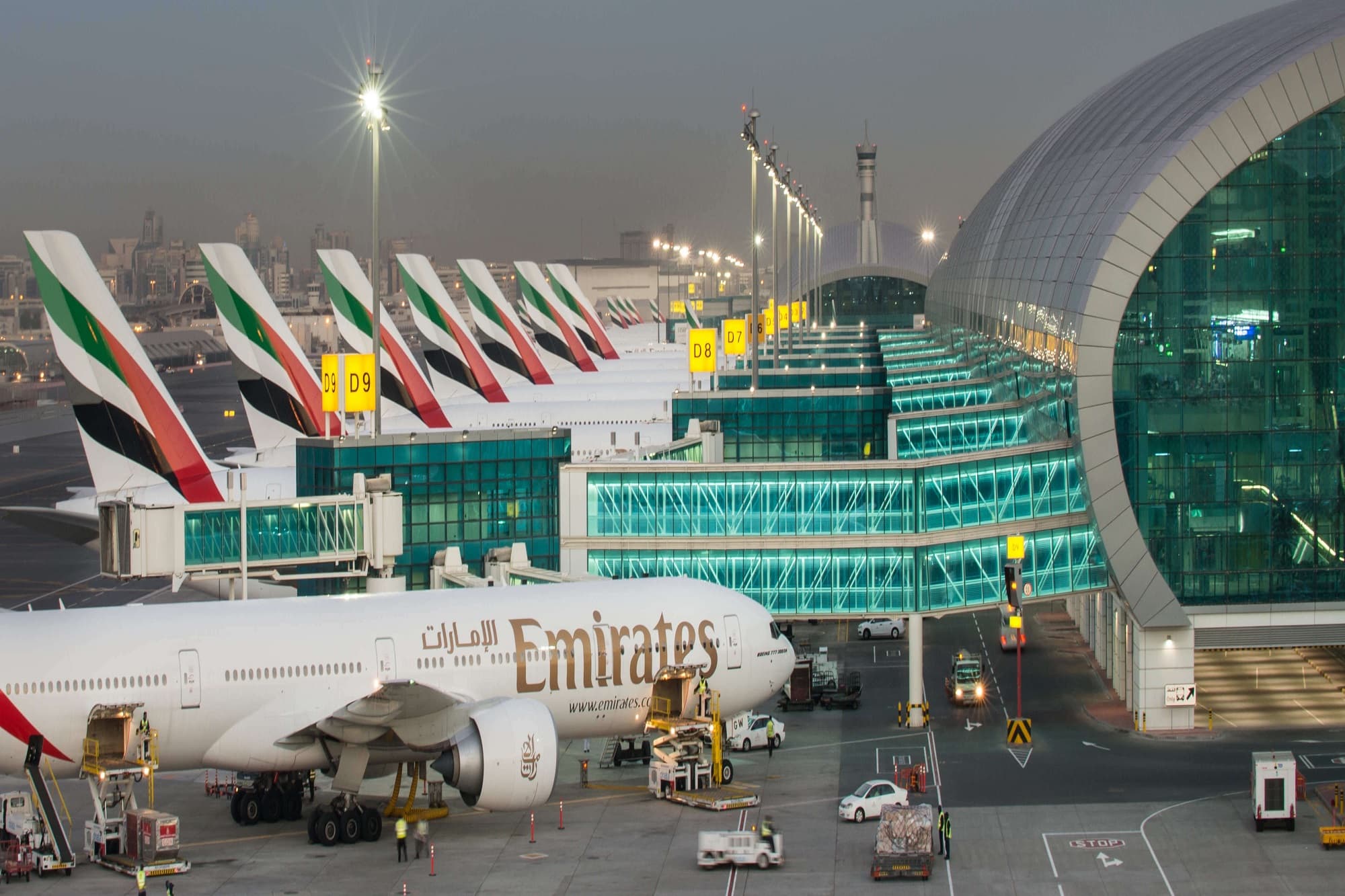
Iranian Drone Strike Shuts Dubai International Airport, Thousands Stranded
25 sources compared

Iran Drone Strike Shuts Dubai International Airport, Triggers Global Travel Disruption
16 sources compared

Iran's New Supreme Leader Mojtaba Khamenei Travels to Moscow for Leg Surgery
15 sources compared