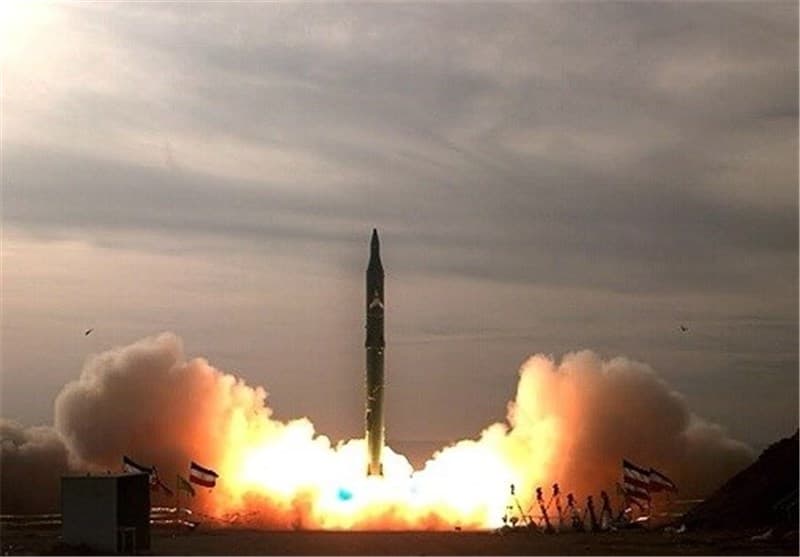
Iran Deploys Sejjil Missiles in 54th Wave Against Israeli Targets
Key Takeaways
- IRGC fired 54 missiles at Israeli targets in the 54th wave.
- Sejjil ballistic missiles were used for the first time in this wave.
- The strikes targeted Israeli and American assets across the Middle East.
54th Wave Attack
Iran's Islamic Revolutionary Guard Corps (IRGC) launched a significant new wave of missile attacks against Israeli targets.
“Iran fires missiles at 54 Israeli targets, deploys Sejjil in fresh wave of attacks Iran's Islamic Revolutionary Guard Corps (IRGC) has announced that it launched a new barrage of missiles targeting locations in Israel, marking one of the most intense exchanges in the ongoing confrontation between Iran and Israel”
This marked the 54th phase of what Tehran calls Operation True Promise 4.
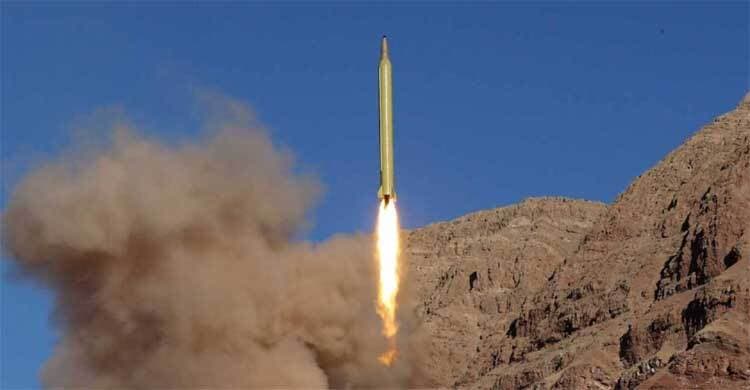
The strikes involved a barrage of 54 missiles targeting locations throughout Israel.
The IRGC described these targets as 'various strategic targets.'
This latest attack comes amid escalating tensions between Iran and Israel.
Iranian officials stated the operation was launched in response to Israeli attacks with US support.
Iranian state media reported the strikes were executed under the operation code 'Ya Zahra.'
The action continues a pattern of retaliatory military actions in the ongoing regional conflict.
Sejjil First Deployment
A major development in this latest attack was the first-time deployment of Iran's advanced Sejjil ballistic missile system.
This represents a significant escalation in the ongoing military confrontation.
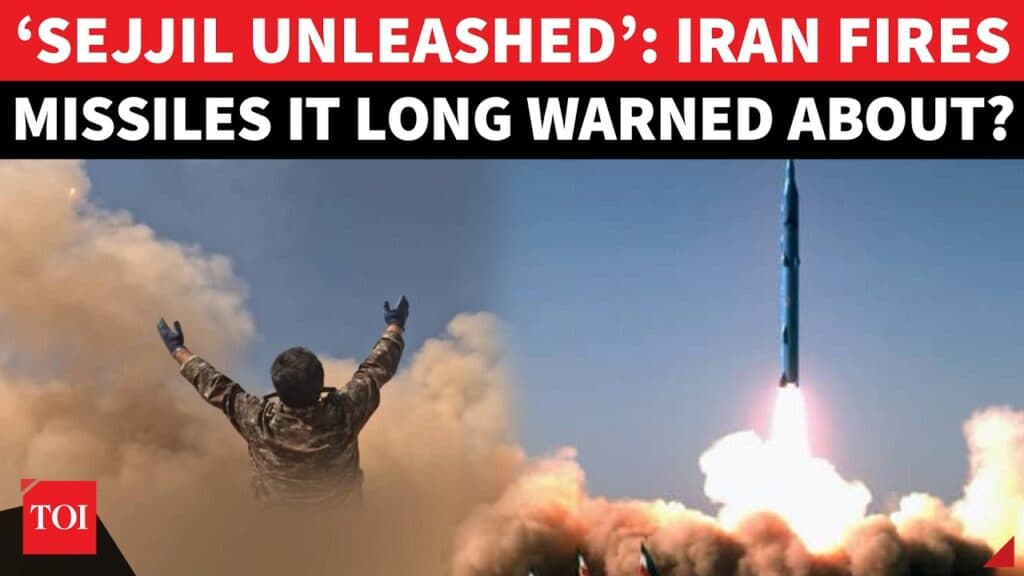
Iranian military officials confirmed that four units of the strategic fuel-powered Sejjil missile were used.
The missiles were deployed during what Tehran calls 'Operation Sadeq Promise.'
The Islamic Revolution Guard Corps Aerospace Force commander, Brigadier General Majid Mousavi, personally confirmed the launch.
This deployment marks a notable advancement in Iran's missile capabilities.
Military analysts interpret this as a deliberate demonstration of enhanced strategic capabilities.
The action comes in response to recent attacks on Iranian territory and civilian infrastructure.
Sejjil Technical Specs
The Sejjil missile represents a significant technological advancement in Iran's domestic aerospace program.
“Iranian armed forces launched the 54th wave of their “True Promise 4” operations against Israeli and American targets, firing an array of advanced missiles, including the Sejjil missile for the first time since the imposed war began late in February”
It features a two-stage solid-fuel propulsion system that distinguishes it from earlier Iranian ballistic missiles.
Unlike liquid-fuel systems, the Sejjil's solid-fuel design allows for rapid preparation and launch within minutes.
This design also facilitates easier transportation and long-term storage.
Military analysts estimate the missile has an operational range between 2,000 and 2,500 kilometers.
This range places much of the Middle East within striking distance from Iranian territory.
Technical assessments indicate the missile can travel at more than Mach 13 (approximately 17,000 kilometers per hour) during its terminal phase.
Its flight profile takes it beyond Earth's atmosphere before descending toward its target.
This trajectory is designed to complicate interception by conventional air defense systems.
This makes it a particularly challenging weapon to defend against.
Israeli Response
The Iranian missile strikes triggered immediate defensive responses across Israeli territory.
Air raid sirens blared in multiple locations including Tel Aviv, Herzliya, and at least 141 other areas.
These alerts targeted across the occupied territories were aimed at warning settlers.
Israeli media reported these sirens indicated the wide geographic reach of the Iranian attack.
The Sejjil missile can reach from Natanz nuclear facility in Iran to Tel Aviv in about seven minutes.
This represents a significant strategic shift in the regional military balance.
This rapid strike capability dramatically reduces warning times for potential targets.
It creates new challenges for Israeli and regional defense systems.
The Sejjil deployment is viewed as a deliberate message regarding enhanced capabilities.
It demonstrates Iran's willingness to use advanced weaponry in the confrontation.
Missile Arsenal Mix
The latest Iranian missile attack involved sophisticated weaponry beyond the Sejjil system.
“Iran fires missiles at 54 Israeli targets, deploys Sejjil in fresh wave of attacks Iran's Islamic Revolutionary Guard Corps (IRGC) has announced that it launched a new barrage of missiles targeting locations in Israel, marking one of the most intense exchanges in the ongoing confrontation between Iran and Israel”
This demonstrates Iran's diverse military capabilities in the ongoing conflict.
According to IRGC statements, the strike included the super-heavy Khorramshahr missile with double warheads.
The attack also included Kheibar Shekan, Qadr, and Emad missiles.
This combination indicates a multi-faceted approach to targeting Israeli military infrastructure.
Iranian officials described the strikes as part of 'True Promise 4' operation.
They claim this operation was launched in response to Israeli aggression with US support.
The diverse arsenal suggests Iran showcases technological advancements.
It also demonstrates ability to sustain prolonged military operations.
These operations target Israeli and American assets across the Middle East.
More on Iran

Epstein network plots 9/11-style attack to blame Iran, Ali Larijani says
11 sources compared

Iran Drone Attack Hits UAE Fujairah Port, Halting Oil Loading
11 sources compared

FCC chair Brendan Carr Threatens Broadcasters' Licenses Over Iran War Coverage
18 sources compared

US-Israeli strike pounds Iranian city of Hamadan
11 sources compared