
Iran Effectively Closes Strait Of Hormuz, Choking Global Fertilizer And Energy Shipments
Key Takeaways
- Strait of Hormuz closure disrupts global fertilizer supply and energy markets.
- FAO warns the crisis could cause widespread acute food insecurity.
- Europe's energy-intensive industries face closures; UK farmers see red-diesel price spikes.
Hormuz closure drives global shock
The Strait of Hormuz closure is a new, pivotal development that reshapes both energy and agricultural inputs at the moment planting seasons begin.
“Global Fertilizer Trade Breaks Down”
Iran’s action is described as a near shutdown of Hormuz in retaliation for U.S.-Israeli bombing, triggering immediate shipping disruptions.

Analysts point to a 33% contraction in the global fertilizer supply chain as a consequence of the blockage.
The ripple effects extend to farmers and food prices, with UN agencies warning of rising food-security risks if prices remain elevated.
Non-Western outlets emphasize the strategic nature of Hormuz as a chokepoint that channels trade for West Asia and the global economy.
FAO/UN food-security warning
International organizations warn of humanitarian risks as costs rise.
The World Food Programme warns of 45 million more people facing acute food insecurity if the crisis persists through mid-year.
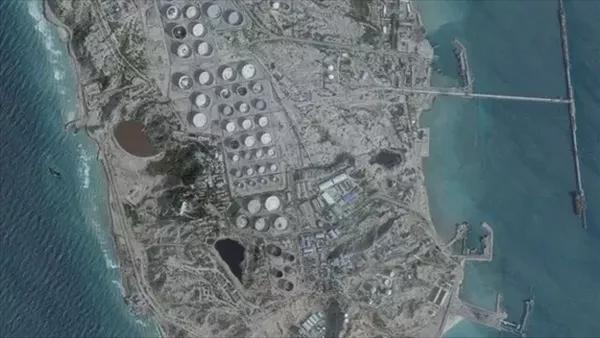
FAO cautions that higher fertilizer and energy costs threaten next season’s crop yields.
Developing economies that depend on Gulf imports face knock-on effects as global fertilizer trade and energy markets tighten.
Britain and Europe may face retail pressures as shortages and higher costs filter through the food chain.
Regional agricultural shock
Regional impacts are already visible across West Asia and beyond.
“Strait of Hormuz crisis threatens world fertilizer supply chain Vital energy and oil waterway’s closure estimated to reduce global fertilizer supply chain by 33%, while halting shipments affect food security, amid doubling of natural gas prices, fertilizer plant shutdowns BERLIN The effective closure of the Strait of Hormuz sent shockwaves through global energy and fertilizer markets amid rising costs threatening production schedules of farmers and the world’s food supply security”
British farmers face rising red diesel costs and potential fertilizer shortages that could curb spring planting.
India and other fertilizer-importers are exposed to LNG-linked nitrogen constraints and Gulf dependencies.
Global fertilizer traders and energy markets are adjusting to Hormuz disruptions, affecting production outputs in the near term.
The broader pattern is a directional tilt toward higher costs and tighter supplies in multiple regions.
Policy responses and demands
Policy responses are coalescing around price monitoring, input diversification, and targeted government support.
British NFU and industry bodies urge price stabilization and resilience measures as fertiliser types diversify.

Governments are signaling monitoring and potential levers to diversify sources of fertiliser and inputs.
International coordination is highlighted as critical to keeping fertilizer and fuel flowing if the Hormuz disruption persists.
What to watch next
The Hormuz crisis is likely to drive policy and market responses in the near term.
“By ANIRUDDHA GHOSAL and ALLAN OLINGO HANOI, Vietnam (AP) — Farmers around the world are feeling the squeeze of the Iran war”
LNG-dependent nitrogen production may face continued constraints, keeping fertilizer prices high into next planting cycles.

Non-Western outlets warn that staple-food prices could widen if the blockade persists.
Governments may deploy emergency subsidies and policy levers to shield vulnerable populations.
More on Iran

G-7 Foreign Ministers Demand Washington Present Milestones Plan, International Naval Force For Strait Of Hormuz
10 sources compared

IRGC Establishes Code-Controlled Larak Corridor Through Strait Of Hormuz, Requires Crossing Codes And Tolls
24 sources compared

Pentagon Weighs Sending Up to 10,000 Troops Within Strike Range of Kharg Island
13 sources compared
Pentagon Weighs Deploying Up To 10,000 Troops And Ground Operations Inside Iran
14 sources compared