
Pentagon Weighs Sending Up to 10,000 Troops Within Strike Range of Kharg Island
Key Takeaways
- Pentagon weighing deploying up to 10,000 additional ground troops to the Middle East.
- Force likely includes infantry and armored vehicles.
- Would augment existing forces including the 82nd Airborne and Marines.
New troop-deployment option under review
The single most important new development is that the Pentagon is actively weighing a major expansion of ground forces in West Asia—up to 10,000 additional troops—to give President Trump more military options even as diplomacy with Iran continues.
“Live Friday 27 March 2026 Don't Miss the Latest News Subscribing is the best way to get our best stories immediately”
The plan would add infantry and armored units on top of roughly 5,000 Marines and thousands of 82nd Airborne soldiers already ordered to the region, with basing not yet decided but aimed to be within striking range of Iran and Kharg Island, Iran’s primary oil export hub.
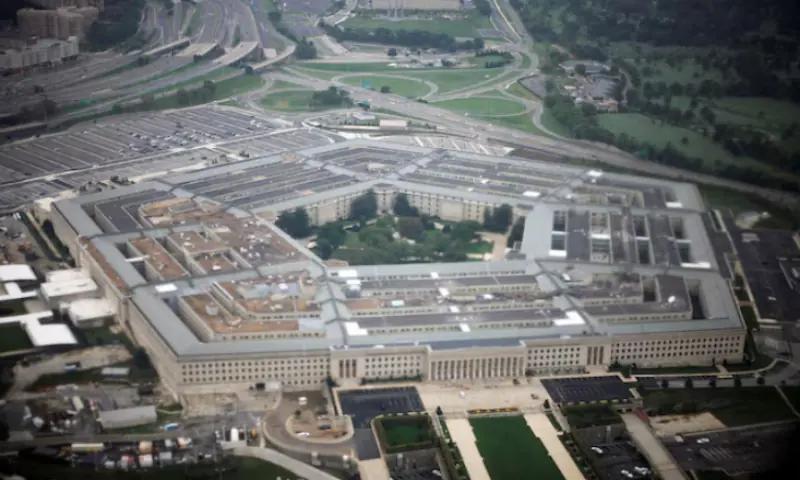
Officials stress that announcements will come from the Department of War, signaling this is an options-based readjustment rather than a formal deployment.
Non-Western outlets corroborate the scale and intent, portraying it as leverage to sustain deterrence while pursuing talks rather than a routine war-footing.
This marks a shift from a purely diplomatic pause toward a credible escalation channel if diplomacy stalls.
Specific units, basing, and timing
Beyond the headline figure, the plan’s concrete elements are still being debated.
Sources indicate the added force would likely include infantry units and armored vehicles, and would be positioned within operational range of Iran and Kharg Island, Iran’s crucial oil export hub off the country’s coast.
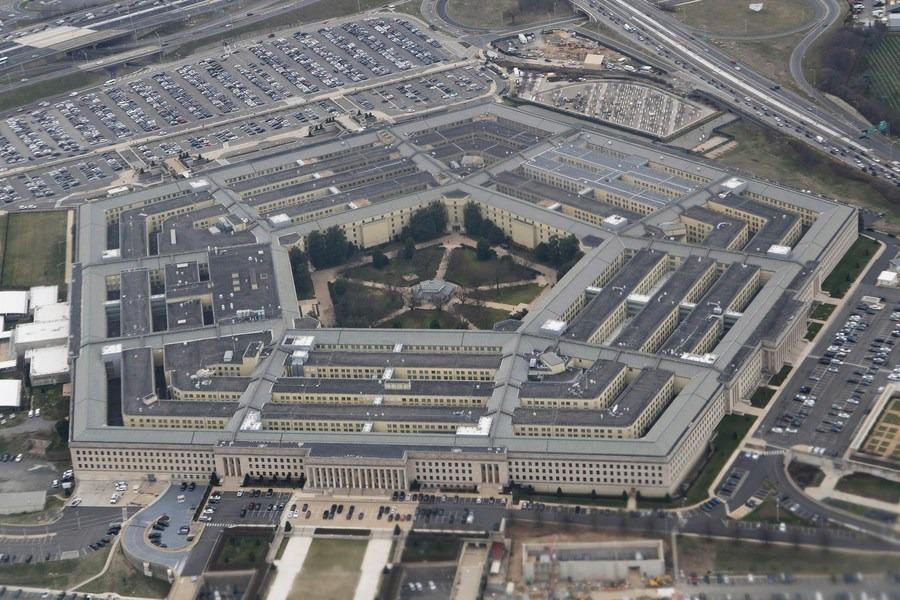
The group already earmarked for the region—a mix of roughly 5,000 Marines and thousands of paratroopers from the 82nd Airborne—would be joined by new units drawn from different combat elements, according to defense officials cited by multiple outlets.
The process remains at the planning stage, with formal announcements expected only from the Department of War.
Neatly, several outlets stress that this is a strategic option, not a confirmed movement, underscoring Washington’s aim to keep leverage intact on both deterrence and diplomacy fronts.
Diplomatic balance and regional risk
The move is couched in a broader strategic context: Washington is balancing the prospect of escalation with a renewed diplomacy push, including talks with Tehran and a ten-day pause on energy-strike actions that has been framed as a pathway to negotiations.
“Pentagon weighs sending 10,000 more ground troops to Middle East: report Xinhua | Updated: 2026-03-27 09:17 WASHINGTON - The Pentagon is considering deploying up to 10,000 additional ground troops to the Middle East to give US President Donald Trump more military options beyond diplomacy, The Wall Street Journal reported on Thursday”
Pakistan has been used as an intermediary in messaging, and Iran has signaled openness to talks in some channels even as it publicly rebuffs a White House peace plan.
Analysts emphasize that, if realized, the troop surge would reshape the risk calculus for the Strait of Hormuz and Kharg Island, potentially pressuring oil markets and widening regional security dynamics as Washington signals it can escalate quickly while keeping diplomatic channels active.
Context from non-Western sources
Non-Western outlets deepen the contextual backdrop: they emphasize the asymmetries at play and underline that the U.S. push combines military signaling with diplomacy, while also highlighting the sovereignty and regional-security implications that Western outlets often understate.
Reports from Asia and West Asia repeatedly frame Kharg Island and Hormuz as pivotal chokepoints that could come under intensified pressure if extra ground forces arrive, and they remind readers that Iran’s energy exports and regional influence are central to any negotiated settlement.
Such framing complements Western reporting by foregrounding operational realities and the potential for unintended spillovers into energy markets and allied calculations across West Asia.
More on Iran
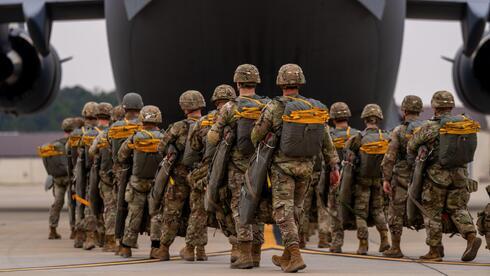
Pentagon Considers Sending Up To 10,000 Ground Troops Within Striking Range Of Iran
14 sources compared
Pentagon Weighs Deploying Up To 10,000 Troops And Ground Operations Inside Iran
14 sources compared
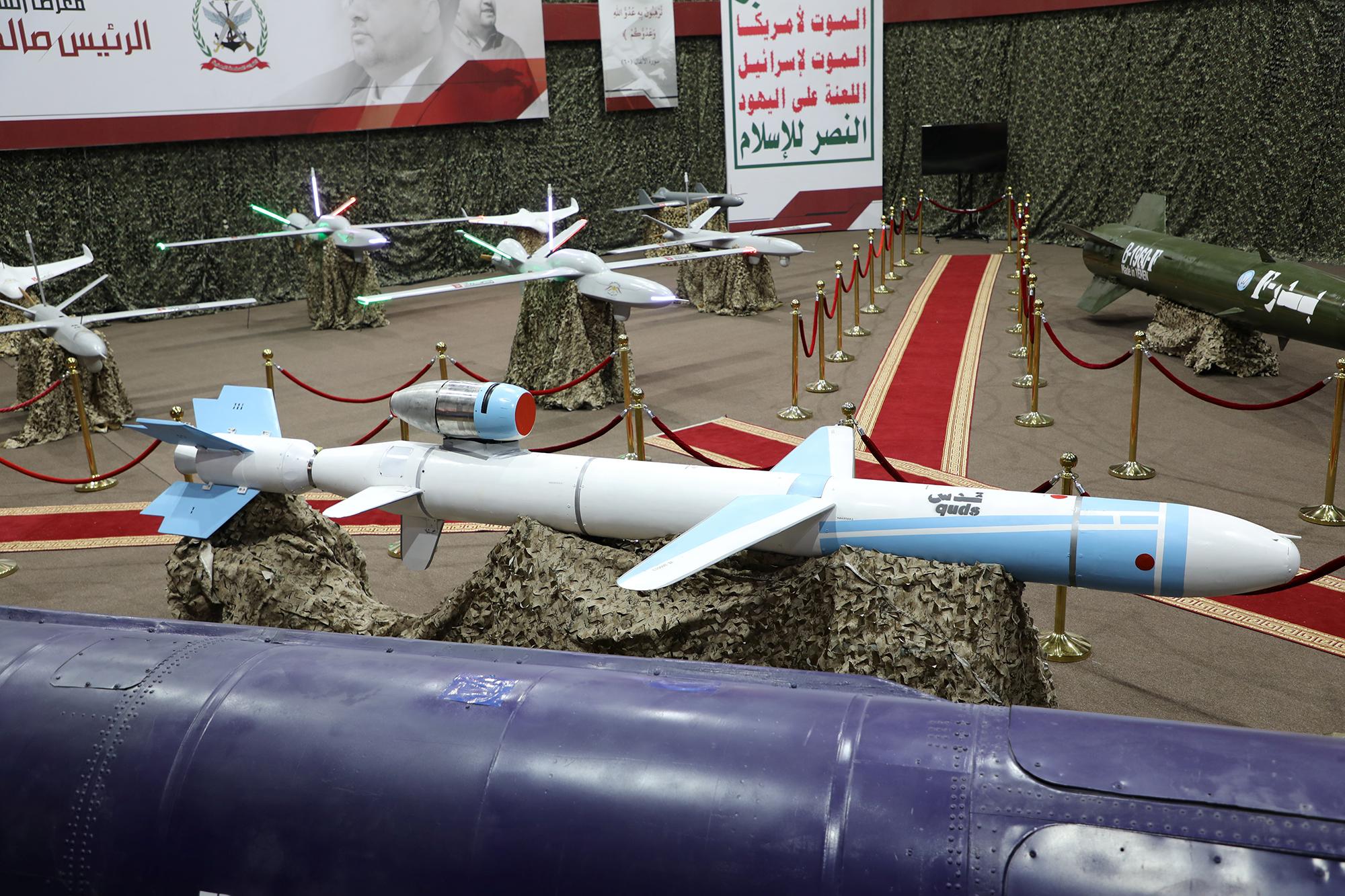
Trump Threatens Ground Invasion, Houthis Pledge Bab Al-Mandeb Offensive
10 sources compared
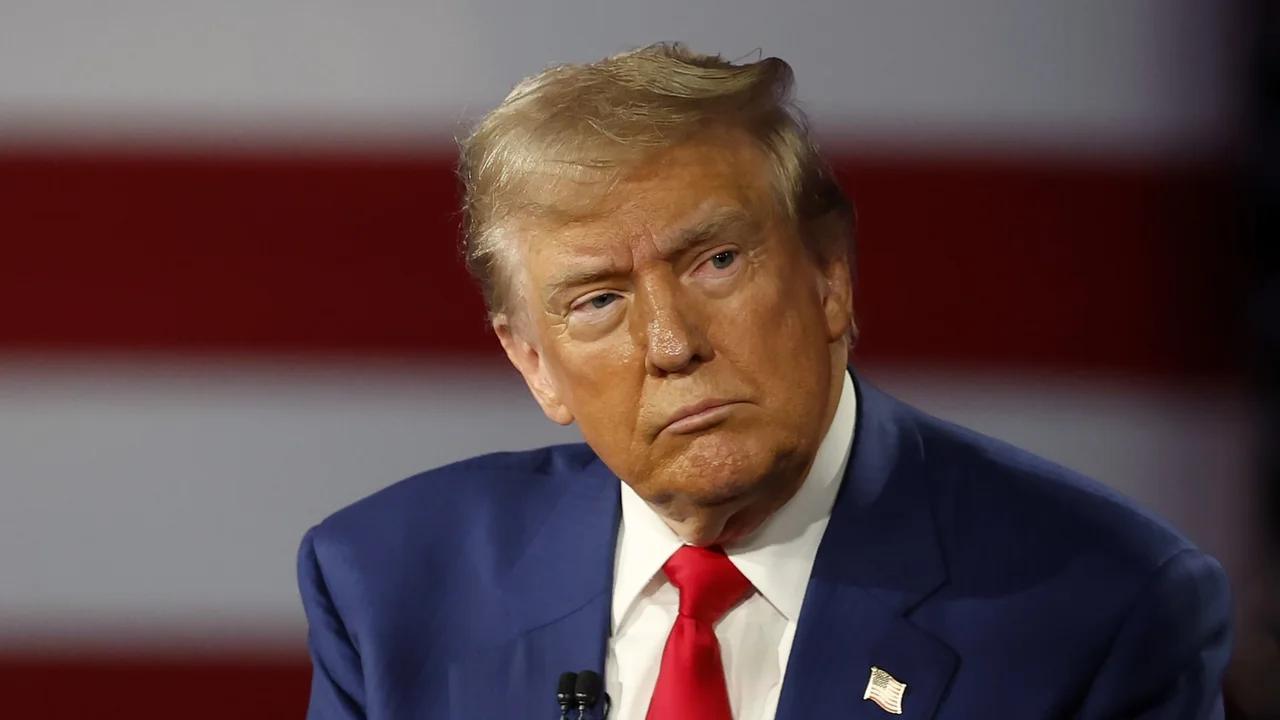
Trump Extends Deadline To April 6 At Iran's Request, Pauses Energy-Plant Strikes
39 sources compared