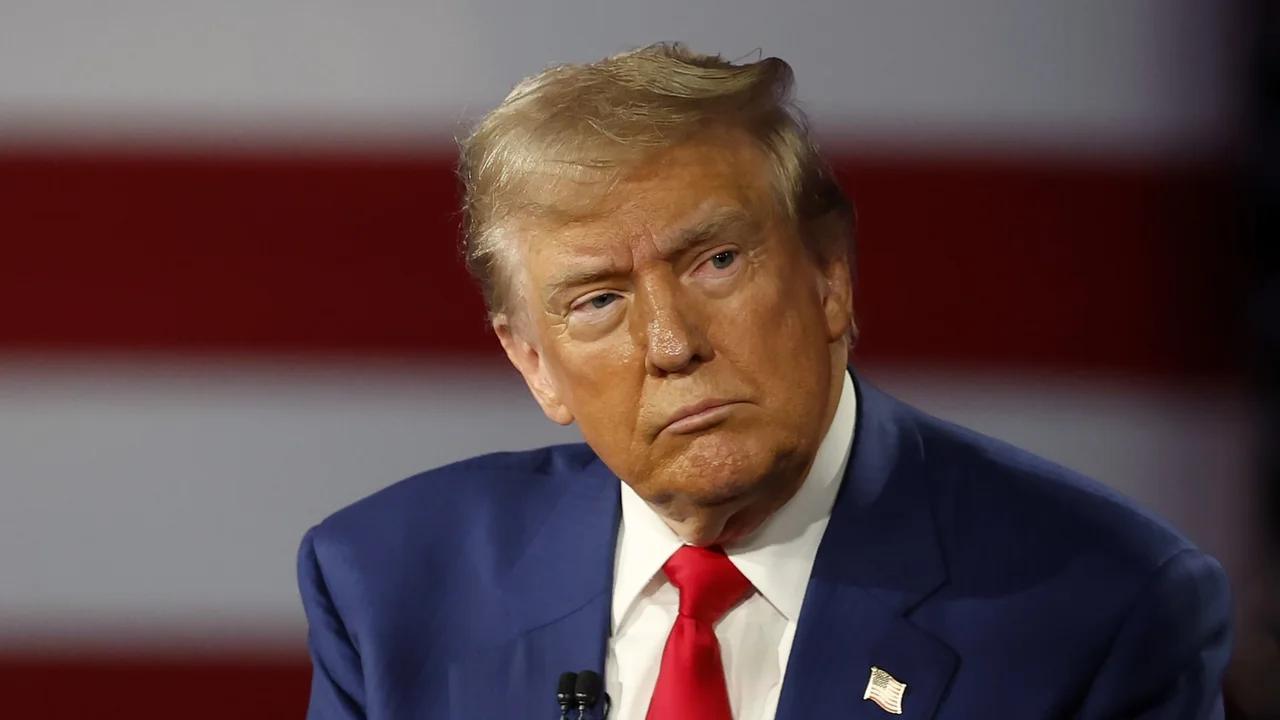
Trump Extends Deadline To April 6 At Iran's Request, Pauses Energy-Plant Strikes
Key Takeaways
- Trump extended the deadline to April 6, pausing strikes on Iran's energy infrastructure.
- Iran asked for the extension; Trump says talks with Tehran are going very well.
- Extension tied to reopening the Strait of Hormuz as part of negotiations.
New development: 10-day extension
Trump’s latest move extends the deadline to April 6, at Iran's request, in what officials describe as talks 'going very well'—a pivot from threatened strikes to a diplomacy window.
“BREAKING IAEA warns of ‘major radiological accident’ if Iran nuclear plant damagedIsraeli attack kills 2, injures 8 in latest strike on south LebanonTrump issues new 10-day deadline for attack on Iran energy infrastructure Click to pause breaking news tickerpause-square-backgroundClose Breaking News Tickerclose”
The extension lasts 10 days and shifts the pressure from immediate attacks to negotiation, with Iran's side pressing a counterproposal as the backdrop.

Tehran had reportedly asked for a seven-day extension, but Trump announced a ten-day pause on energy-plant destruction.
Oil markets rattled and investors watched for signals about a potential ceasefire as the Strait of Hormuz, a key supply artery, remained at risk.
Across West Asia, analysts described the move as a rare negotiation moment that could redefine the tempo of the conflict.
Peace plan and Iranian counterproposal
The United States reportedly transmitted a 15-point peace plan to Tehran via Pakistani intermediaries, seeking a structured path to ending the war.
Iran countered with its own five-point set of conditions, signaling a bargaining posture centered on reparations and security guarantees.

Iran’s five conditions reportedly include a mechanism to ensure no restart of attacks and demands for financial compensation and a broad halt to hostilities on all fronts.
Iranian rhetoric also emphasizes rights over the Strait of Hormuz, reflecting a strategic demand tied to energy routes and regional leverage.
The exchange underscores that this is less a simple ultimatum than a test of whether diplomacy can outmaneuver continued military punishment and proxy conflicts.
Markets react to diplomacy window
Markets swung as traders weighed the diplomacy prospects and the risk of a sustained energy shock in West Asia.
“Ankara / Anadolu Agency Donald Trump, the President of the United States, regarding the decision to halt attacks on Iran's power plants until April 6, said that Iran asked me for seven days; I gave them ten days”
Bloomberg notes the biggest monthly stock rout since 2022 moderated after time extension for a deal, reflecting lingering uncertainty about a quick resolution.
CNBC reports Brent crude around the high $100s per barrel as oil and risk premia remained elevated, even with some postponement of strikes.
Swissinfo Swiss context shows Brent near $107 as markets priced ongoing geopolitical risk while futures markets showed tentative recovery.
The New York Times captures the mood of a market that felt its worst daily swing of the year as the day closed, illustrating how geopolitical risk translates into financial volatility.
Escalation options and chokepoints
Defense officials have discussed deploying up to 10,000 additional ground troops to the Middle East to broaden the military options available to Trump.
Analysts warn about possible moves to seize Kharg Island, a linchpin in Iran's export infrastructure and a potential flashpoint in any broader confrontation.

Al Arabiya Persian and Anadolu Agency both report the scale of troop considerations and the potential for more aggressive measures should diplomacy falter.
Swissinfo’s market wrap notes the same risk calculus, linking it to the broader strategic posture around Hormuz and the energy market.
In short, the risk of a rapid escalation remains on the table while diplomatic channels continue to churn.
Regional framing and security order
Former Iranian diplomats warn the war could fundamentally reshape the West Asia security order, potentially prolonging the conflict.
“The biggest monthly selloff in global stocks since 2022 moderated after the US gave Iran more time to reach a deal on ending the month-long war”
Iran’s own reporting frames its actions as defensive and denies nuclear aims, arguing that negotiations must be credible and not coercive.

Non-Western outlets highlight the energy-security stakes and the risk of wider regional instability if the talks fail to yield a durable settlement.
Analysts stress that the April 6 deadline creates a delay, not a resolution, and the next week will prove whether diplomacy can outpace escalation.
Overall, the narrative underscores a fragile lull that hinges on whether Iran accepts a framework it perceives as fair and enforceable.
More on Iran
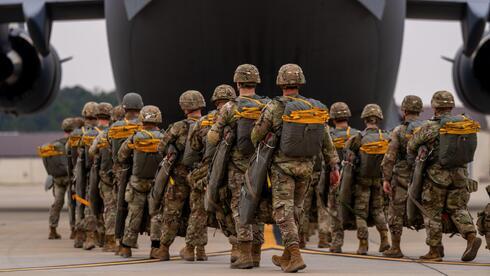
Pentagon Considers Sending Up To 10,000 Ground Troops Within Striking Range Of Iran
14 sources compared

Pentagon Weighs Sending Up to 10,000 Troops Within Strike Range of Kharg Island
13 sources compared
Pentagon Weighs Deploying Up To 10,000 Troops And Ground Operations Inside Iran
14 sources compared
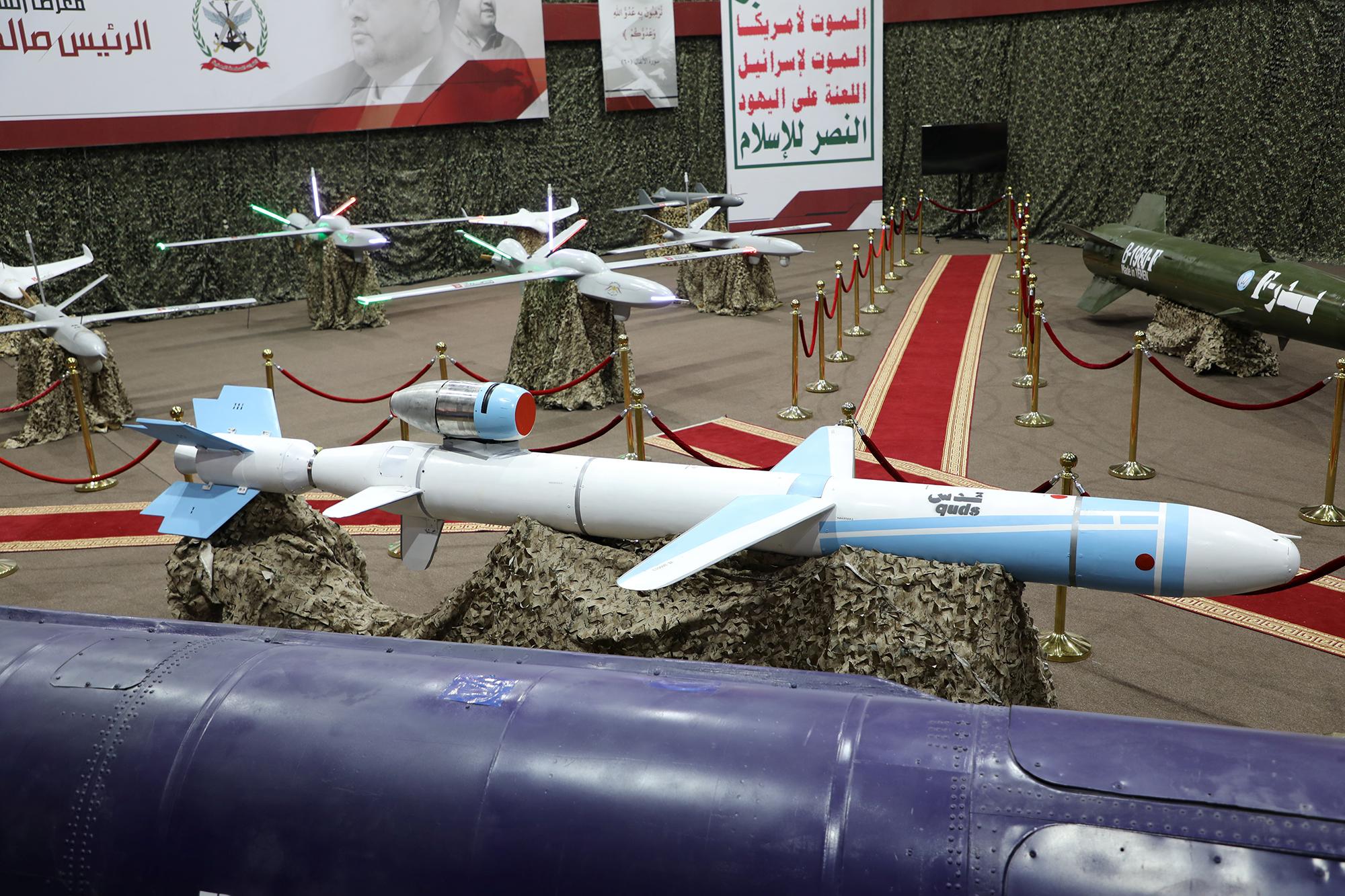
Trump Threatens Ground Invasion, Houthis Pledge Bab Al-Mandeb Offensive
10 sources compared