
Iran Fires Missiles and Drones Across the Gulf Amid US-Israeli War Fallout
Key Takeaways
- Iran launched drones and missiles across Gulf states in retaliation for US-Israeli strikes.
- Drones and missiles targeted the UAE, including Dubai, during the Gulf-wide attacks.
- Oil prices spiked and global markets rattled due to the Iran conflict.
Gulf Region Attacks
Iran has pressed on with sustained missile and drone attacks across the Gulf region, targeting multiple countries including Saudi Arabia, Qatar and the United Arab Emirates.
“Iran has pressed on with sustained missile and drone attacks across the Gulf region, despite repeated protests from its neighbours, in ongoing retaliation in the war launched by the United States and Israel”
Tehran's strikes have been extensive, with Iranian naval forces claiming to have established "full control" over the strategically crucial Strait of Hormuz.

The attacks have reached far beyond Iranian borders, with Saudi Arabia reporting its air defenses intercepted dozens of drones heading toward its Eastern Province.
The UAE reported debris from missile interception causing damage to buildings in Dubai.
Iran's ambassador to Tunisia stated that Iranian naval forces "have established full control" over the strait and "carried out precise strikes in response to attacks on our oil infrastructure."
Human and Economic Toll
The conflict has taken a devastating human toll with more than 2,000 people killed since fighting erupted on Feb. 28, most of them in Iran.
Hundreds more have died in Lebanon amid Israeli strikes targeting Hezbollah positions.

The escalating violence has had severe economic consequences, pushing oil prices sharply higher by roughly 9 percent to around $100 per barrel.
U.S. stocks posted their steepest three-day drop in a month.
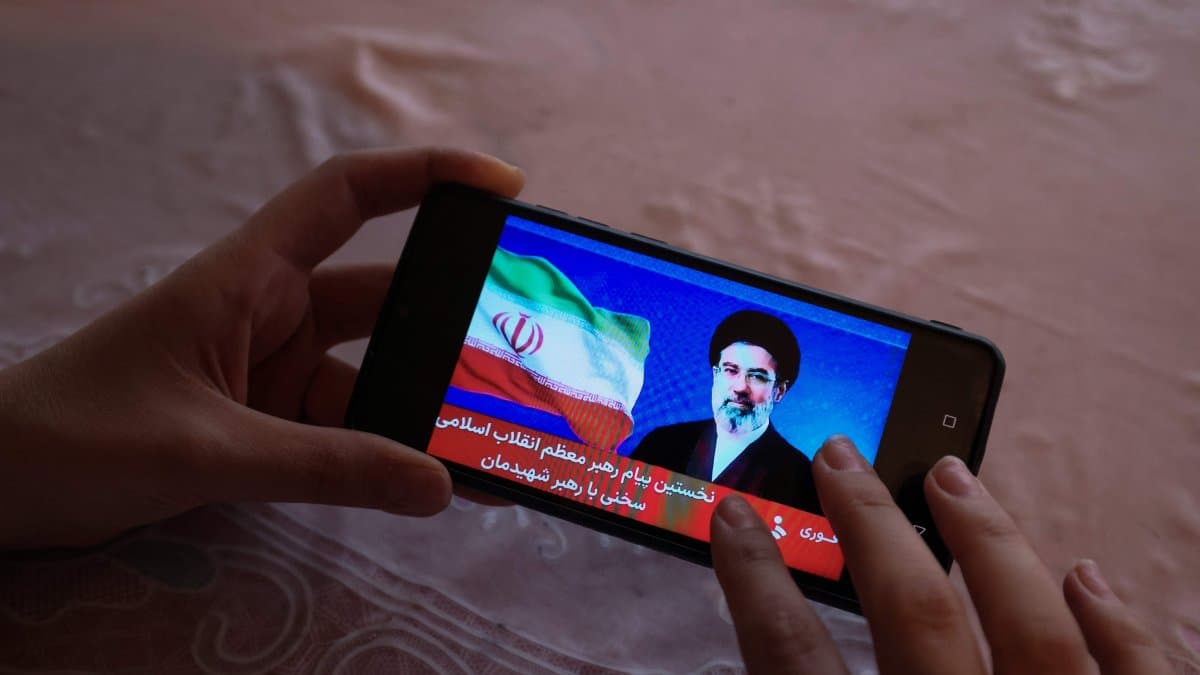
Reports from Iranian sources indicate that Iran's newly installed supreme leader, Ayatollah Mojtaba Khamenei, is in a coma and has lost at least one leg.
These injuries raise questions about Iran's leadership capacity during the ongoing conflict.
Military Responses
The United States and Israel have responded forcefully to Iran's attacks.
“Tension hangs over Dubai”
Israel's military claimed to have struck more than 200 targets across western and central Iran over a 24-hour period.
These strikes included missile launchers, air defense systems and weapons manufacturing sites, in an operation dubbed "Roar of the Lion."
Israeli officials announced that strikes had killed a senior Iranian nuclear scientist and damaged additional nuclear facilities.
The U.S. military has reported striking more than 6,000 targets since the operation against Iran began.
France reported one soldier killed in an attack targeting Irbil in Iraq's northern Kurdish region.
British officials confirmed that several U.S. personnel suffered minor injuries when drone strikes hit a base housing both British and American troops.
Daily Life Impact
The conflict has created a surreal atmosphere in Gulf states like Dubai, where residents report a strange duality of life continuing normally amid constant threat of attack.
"The reality on the ground is that life feels both completely normal and completely abnormal at the same time," according to Western media reports.
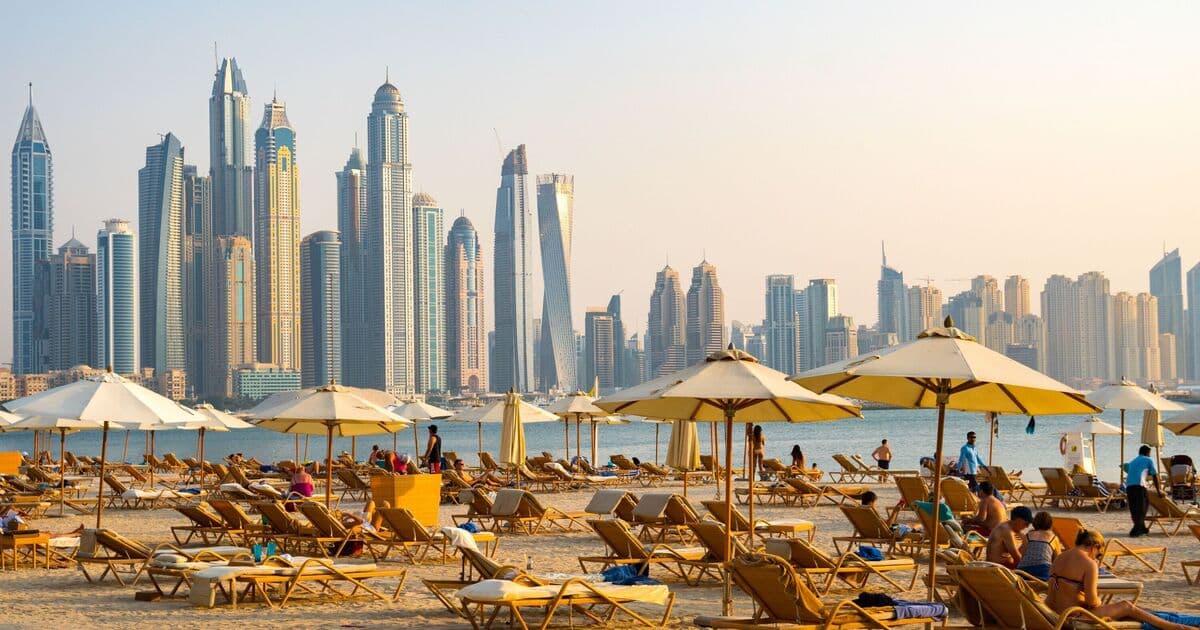
Residents note, "You can go from a routine day to watching defence systems light up the sky in the space of a few minutes."
Several major international banks including Goldman Sachs, Citi and Standard Chartered have pulled employees from their Dubai offices.
This followed Iran's specific threats to target economic centers and U.S.-linked financial institutions across the Middle East.
Some business owners report that "life goes on if you operate a business and call the UAE home," even as the Dubai International Financial Center remains conspicuously quiet.
Social Media Backlash
The conflict has sparked intense social media reactions, particularly among Dubai-based influencers who have turned on each other in a bitter online war.
“The conflict’s ripple effects are being felt across the Middle East”
According to Western tabloid reports, "The glamorous image of the luxury hotspot has been shaken in recent weeks after Iranian missile and drone attacks targeted the UAE following US and Israeli strikes on Iran."
Many influencers have faced backlash for sharing emotional videos or complaining about travel disruptions as the conflict intensified.
Some creators have been criticized as "tone-deaf" for complaining about the situation when "millions of people elsewhere already live with the reality of war."
Others have been accused of using the crisis for views.
The backlash has escalated into feuds among influencers, with strict UAE laws warning that those who post about the conflict could face heavy fines of up to £200,000 or prison sentences.
Strategic Uncertainty
The conflict has created significant strategic uncertainty about the future of Gulf security and energy supplies.
Iranian officials maintain that their newly installed supreme leader's injuries from the initial strikes were minor.
They portray the younger Khamenei as "more uncompromising than his predecessor" and closely aligned with Iran's powerful Revolutionary Guard.
Energy Secretary Chris Wright acknowledged the uncertainty, stating "I would say unlikely" when asked about certain scenarios.
The United States has issued a temporary 30-day license allowing countries to purchase Russian oil already stranded at sea.
Treasury Secretary Scott Bessent described the price surge as a "temporary disruption that could ultimately benefit the United States."
President Donald Trump argued that higher prices could boost U.S. revenues while reiterating that preventing Iran from acquiring nuclear weapons remains the priority.
More on Iran

Epstein network plots 9/11-style attack to blame Iran, Ali Larijani says
11 sources compared

Iran Drone Attack Hits UAE Fujairah Port, Halting Oil Loading
11 sources compared

FCC chair Brendan Carr Threatens Broadcasters' Licenses Over Iran War Coverage
18 sources compared

US-Israeli strike pounds Iranian city of Hamadan
11 sources compared