
Iran Fires Missiles At Israel After Naming Mojtaba Khamenei New Leader
Key Takeaways
- Iran launched missiles and drones at Israel and multiple Gulf states
- Attacks occurred hours after Iran named Mojtaba Khamenei as its new supreme leader
- Oil prices surged amid the attacks and subsequent retaliatory strikes
Strikes after leadership change
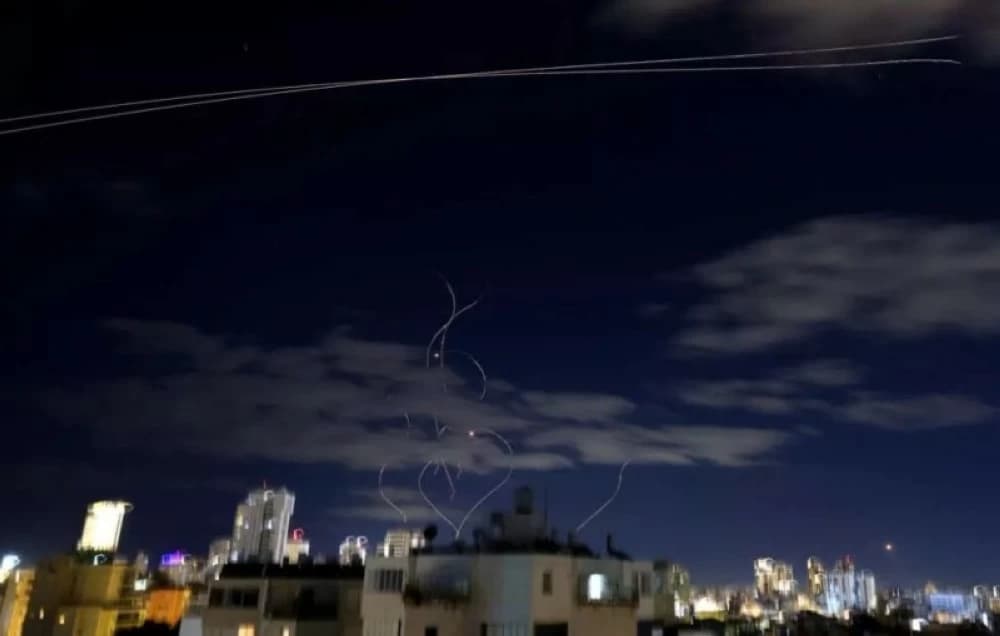
Iran launched coordinated waves of missiles and drones toward Israel and several Gulf states immediately after the Assembly of Experts named Mojtaba Khamenei as the country’s new supreme leader.
“We heard the sounds of about 12 to 13 explosions,” he said”
State media and regional reporting tied the strikes to the leadership change, saying Iran launched waves of missiles and drones toward Israel and several Gulf states in the wake of the appointment of a new supreme leader, Ayatollah Seyyed Mojtaba Khamenei.
NPR reported that on Day 10 of the war Iran launched missile and drone strikes against Israel and multiple Gulf states hours after the Assembly of Experts named Mojtaba Khamenei — son of the slain Ayatollah Ali Khamenei — as Iran’s new supreme leader.
Observers said the leadership choice could signal continuity with hard-line policies tied to the Islamic Revolutionary Guard Corps.
A market summary noted that the leadership change and escalation of violence have raised concerns about possible shifts in Iran’s policies and greater regional instability as markets reacted to the strikes.
Regional casualty figures
The strikes added to an already severe and fast-growing human toll across the region, with multiple sources reporting high casualty figures and widespread injuries.
Iran’s health ministry figures cited by regional reporting said at least 1,200 civilians have been killed and around 10,000 wounded amid the wider conflict.

Reporting from Lebanon and Israel said at least 390 people have been killed and over 1,000 injured in Lebanon since the US–Israel campaign against Iran began on Feb. 28, and that Iranian missile strikes have killed at least 10 and injured nearly 2,000 in Israel.
NPR consolidated battlefield tallies include more than 1,200 dead in Iran, nearly 400 in Lebanon and 11 in Israel, and the Pentagon said seven U.S. service members have also been killed since the war began.
The sources show slight differences in their counts—for example, Lebanon is reported as at least 390 versus nearly 400, Israel as at least 10 versus 11, and Iran as at least 1,200 versus more than 1,200.
Gulf airstrike impacts
Gulf states reported both interceptions and damage to critical infrastructure as the strikes crossed into their airspace, prompting emergency responses and commercial disruption.
“Iran attacks Israel and Gulf states after naming a new supreme leader on Day 10 of war Iran launched fresh attacks on Israel and several Gulf states Monday, hours after naming Mojtaba Khamenei as the country's new supreme leader”
States' own statements noted multiple interceptions: "Qatar said its forces intercepted missiles (with loud explosions heard in Doha) and earlier intercepted six ballistic and two cruise missiles; Kuwait said it was addressing aerial threats; the UAE reported a fire at an oil facility in Fujairah after an attack; and Saudi Arabia said its air defenses shot down at least three ballistic missiles and four drones."
NPR documented parallel reports of injuries and oil-sector impacts: "at least 32 injured on Bahrain’s Sitra island, two civilians killed in a strike in Al‑Kharj, Saudi Arabia, a fire at an oil facility in Fujairah, UAE, and Saudi Arabia said it intercepted drones targeting the Shaybah oil field. Bahrain’s state oil company declared force majeure after a drone attack."
Al Jazeera also recorded Gulf disruption and commercial fallout: "Bahrain’s state oil firm Bapco declared force majeure after an attack on its refinery—while Saudi Arabia, the UAE, Qatar and Kuwait reported incoming drones or missiles and Saudi interceptors shot down multiple targets."
Cross-border military strikes
The fighting featured cross-border military operations and reciprocal strikes that widened the conflict beyond Iran and Israel.
Al Jazeera described direct confrontations and strikes in Lebanon and Syria, saying Lebanon was pulled into the fighting after Hezbollah attacked Israel, which the article says was in response to the killing of Ali Khamenei, and that fierce clashes were reported around Nabi Chit following an Israeli operation that killed 41 people.
Al Jazeera also reported that Israel struck a Beirut hotel targeting five IRGC Quds Force commanders.
NPR framed these actions as part of the cycle of strikes, noting the attacks followed Israeli strikes on Hezbollah-linked sites in southern Beirut and on regime-linked infrastructure in Tehran.
Regional reporting noted that defensive systems were operating to intercept the threats amid the cross-border exchanges.
Geopolitics and energy markets
The escalation has immediate geopolitical and economic consequences, roiling markets and prompting international reactions.
“DUBAI — Israel said a man was killed in an Iranian missile attack, raising the country's death toll from the war to 11”
Market coverage recorded a sharp oil response: 'Global oil prices jumped after Iran named a new supreme leader and carried out additional attacks in the region.'
'Brent crude briefly neared $120 a barrel amid fears of regional supply disruptions, pushing U.S. gasoline prices sharply higher and rattling global financial markets.'
Countries in the region condemned the strikes and vowed to defend their sovereignty.
International figures weighed in: 'Countries including Saudi Arabia have condemned the Iranian attacks and warned they will defend their sovereignty,' while a U.S. political figure noted ongoing deliberation on responses—'I'll make a decision at the right time, but everything's going to be taken into account.'
These reactions underscore how the leadership change, the strikes, and cross-border operations are reshaping both regional security dynamics and global energy markets.
More on Iran
US Bombs Military Sites on Iran's Kharg Island
10 sources compared
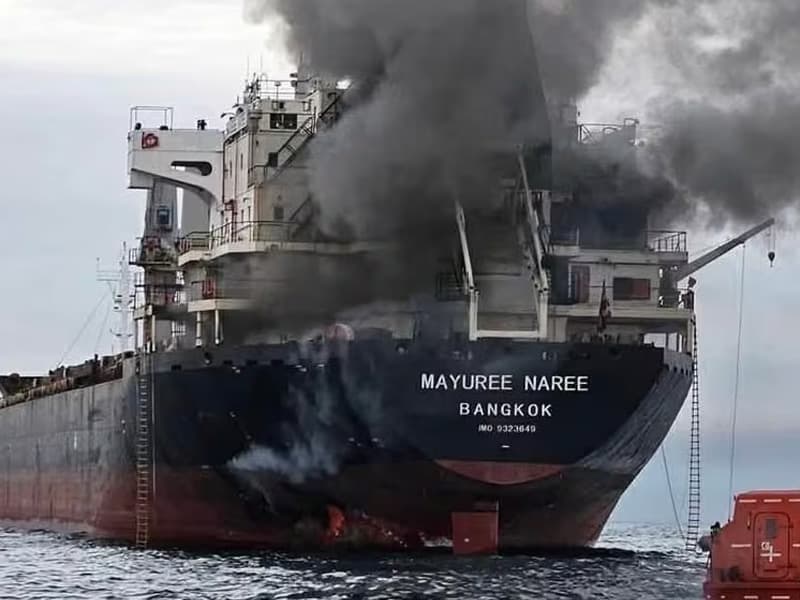
Iran Closes Strait of Hormuz, Chokes Global Shipping and Pushes U.S. Retail Prices Higher
41 sources compared
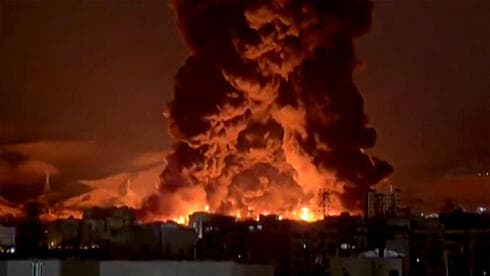
President Donald Trump Orders US Bombing of Iran's Kharg Island, Says Targets 'Totally Obliterated'
18 sources compared
US obliterates military targets on Iran’s Kharg Island, Trump warns
13 sources compared