
Iran Fires Widely Banned Cluster Munitions at Israel, Committing War Crimes, Experts Say
Key Takeaways
- Iran launched missiles carrying cluster munitions at Israel
- Experts say cluster-munitions use exposes civilians and may constitute war crimes
- Iran fitted many missiles with cluster warheads, some carrying dozens of submunitions
What happened
Multiple outlets and Israeli authorities say Iran has fired missiles with cluster-munition warheads at Israel, with Israeli officials and footage verification pointing to multiple such strikes.
“Israel says Iran has been deploying cluster munitions throughout their war in West Asia so far, introducing a dangerous and complex challenge for Israel’s already stretched air-defence systems”
The New York Times reported that “Iran has launched missiles with cluster-munition warheads at Israel,” and Chief Superintendent Doron Lavi said “More than 10 Iranian missiles with the warheads have been fired at the country since the war began on Feb. 28.”
&w=3840&q=75)
Israel and other sources put the share of Iranian missiles carrying cluster warheads at roughly half: “Israel says roughly half of Iran’s missiles carried cluster warheads during the war, raising concerns about indiscriminate attacks on civilians,” and an Israeli military official told AP that “about half of the projectiles Iran has been firing toward Israel have been cluster munitions.”
Republic World said “nearly half of Iran's 300 ballistic missiles aimed at Israel carried cluster munitions.”
Legal and expert view
Experts and analysts cited by multiple outlets say the use of cluster munitions in or near populated areas exposes civilians to indiscriminate harm and could violate the laws of war, with some characterising the attacks as potential war crimes.
The New York Sun’s headline framed the strikes as “Iran’s Cluster Bomb Attacks on Israeli Civilian Areas Could Constitute War Crimes, Experts Say.”
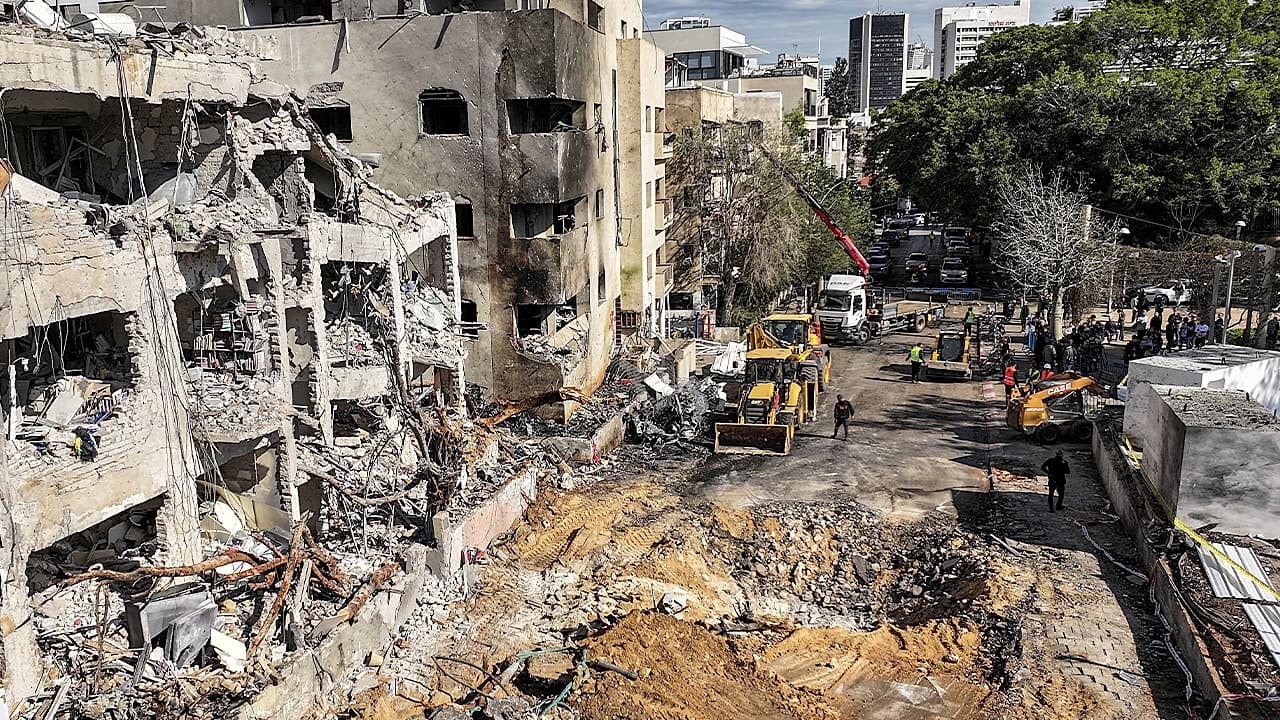
The New York Times noted the launches “could violate the laws of war,” and Fox News highlighted that such weapons are “Banned by more than 120 nations under the 2008 Convention on Cluster Munitions,” a treaty that condemns their broad-area effects.
Firstpost echoed concerns about civilian risk, quoting international standards that “They pose a particular threat to the civilian population both during and after use, with victims often including a high proportion of children,” according to the Convention on Cluster Munitions.
How they work
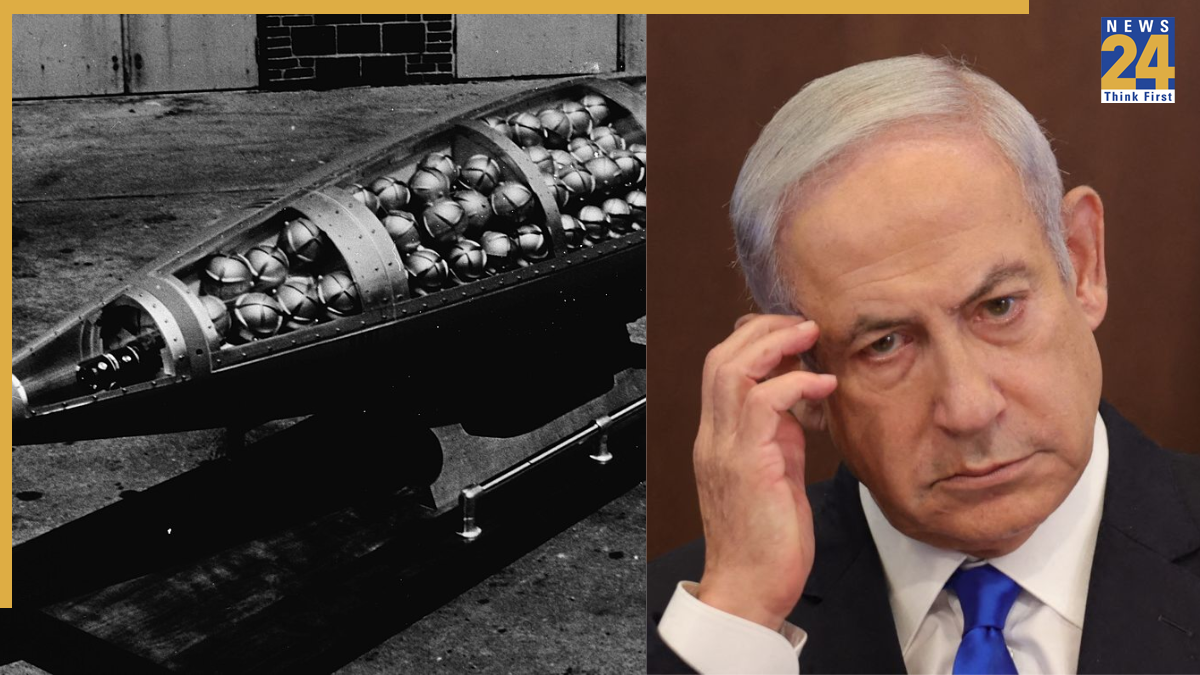
Technical descriptions from multiple outlets explain why cluster munitions are especially hazardous in densely populated areas: parent munitions release dozens of smaller bomblets at altitude that scatter over wide areas, are hard to intercept once dispersed, and leave unexploded submunitions that act like mines.
“The Middle East is witnessing a sharp escalation as Hezbollah and Iran have launched coordinated cluster bomb attacks on Israel, intensifying a conflict that has already unsettled the region and put civilians at serious risk”
Firstpost summarised the mechanism: “The bomblets scatter and kill indiscriminately,” and noted that when bomblets fail to explode “they can behave like land mines, detonating later and causing casualties indiscriminately.”
Fox News described how “The warheads burst open at high altitudes, scattering dozens of smaller bomblets” and stressed the interception challenge.
The New York Times likewise explained that “Cluster munitions have warheads that burst and scatter into bomblets, which can cause indiscriminate harm if fired near civilians,” while Republic World added that “Cluster bomb warheads indiscriminately spread dozens of sub munitions, each with several kilograms of explosives, over a radius of around 10 kilometres.”
Scale and impact
Reporting across outlets also emphasises the scale of the strikes and the immediate human toll and defensive response: some sources put the Iranian launch total in the hundreds while others cite verified counts of cluster-armed missiles and Israeli intercepts.
Republic World reported Iran launched “300 ballistic missiles” and that “nearly half of Iran's 300 ballistic missiles aimed at Israel carried cluster munitions,” and that “Iran's strikes in Israel have killed 12 people and wounded over 2,000, according to Israeli health authorities.”
The New York Times referenced officials saying “More than 10 Iranian missiles with the warheads have been fired,” and multiple outlets noted many missiles were intercepted—while experts and Israeli analysts warned that cluster warheads are harder to defend against.
Fox News said “half of the missiles are hard to defend against because half of the missiles are cluster munitions.”
Regional context
Several outlets placed the strikes in a wider regional and historical context, noting coordination claims, repeated use, and the potential for escalation.
“Updated 11 March 2026 at 11:27 IST Iran's IRGC launches 37th Wave of Attacks Against Israel, IDF Reveals Cluster Bomb Threat Tehran's IRGC launched the "37th wave" of Operation True Promise 4, targeting American and Israeli positions, including Erbil, Bahrain, and Be'er Ya'akov”
Fox News reported that “Hezbollah and Iran launched a coordinated strike strategy Tuesday,” and quoted analysts saying “Hezbollah has fully joined the war, and it looks like they are now very well coordinated with Iran.”
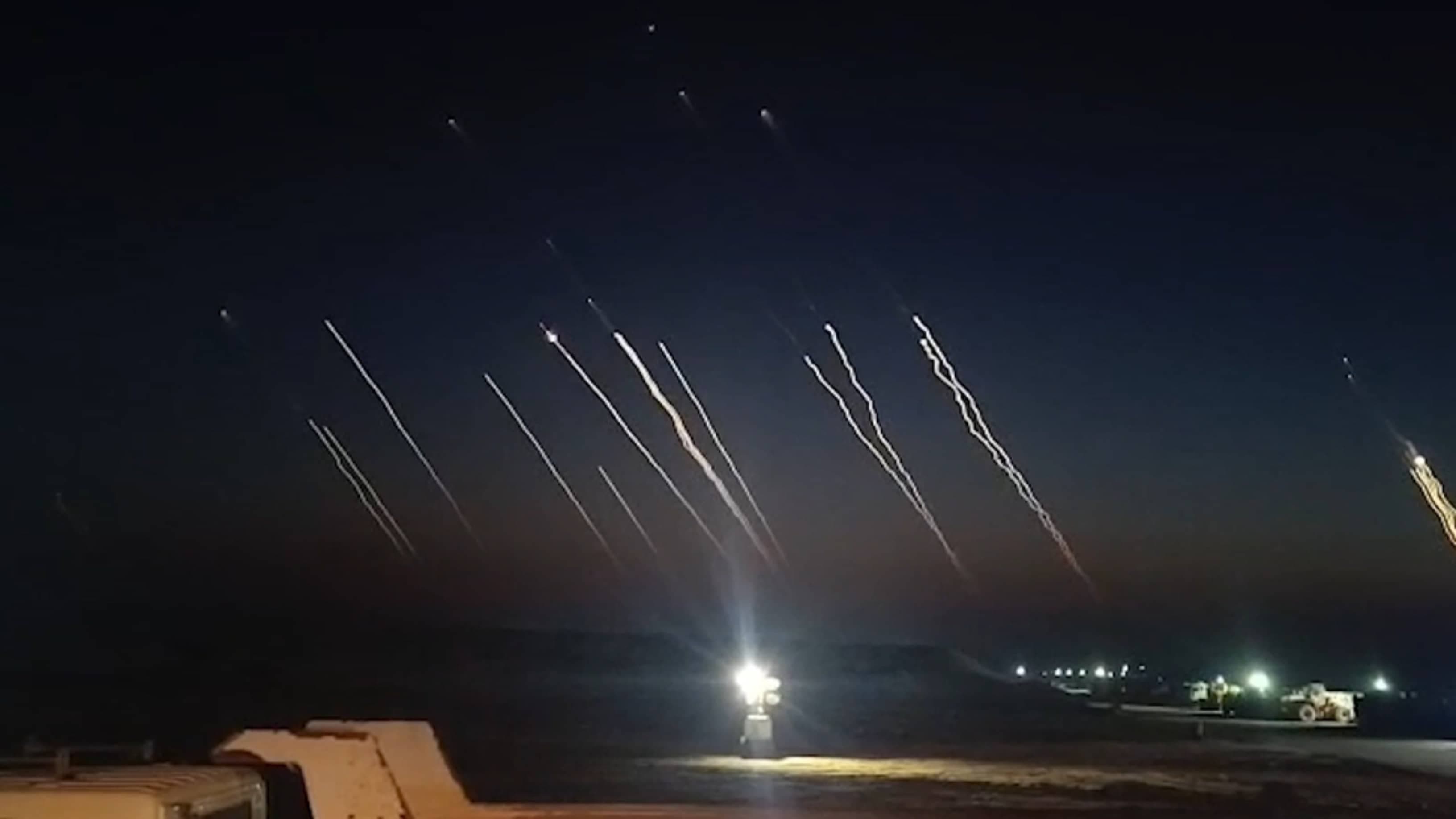
Republic World described the IRGC launching the “37th wave” of Operation True Promise 4 and listed wide-ranging targets hit in the campaign.
The New York Times and Firstpost also noted that Iran “previously targeted Israel with cluster munitions during a 12-day war last year,” underscoring that the use of such weapons is not entirely new to the conflict.
These combined accounts show both immediate tactical effects and broader regional dynamics that reporters and analysts warn could deepen the conflict.
More on Iran
US Bombs Military Sites on Iran's Kharg Island
10 sources compared
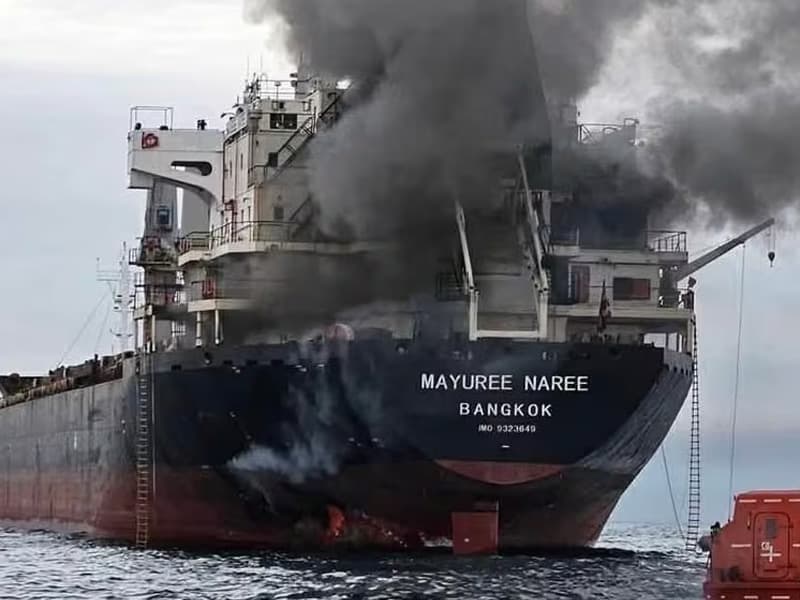
Iran Closes Strait of Hormuz, Chokes Global Shipping and Pushes U.S. Retail Prices Higher
41 sources compared
President Donald Trump Orders US Bombing of Iran's Kharg Island, Says Targets 'Totally Obliterated'
18 sources compared
US obliterates military targets on Iran’s Kharg Island, Trump warns
13 sources compared