Iran10 April, 20262 min read
Iran Forces Ships Into IRGC-Controlled Alternative Routes Through Strait Of Hormuz
Iran announces two alternative routes through Hormuz to avoid mines, directing ships into IRGC corridors. Iran seeks Bitcoin tolls, $1 per barrel, for Hormuz transit.

Iran Redirects Hormuz Traffic
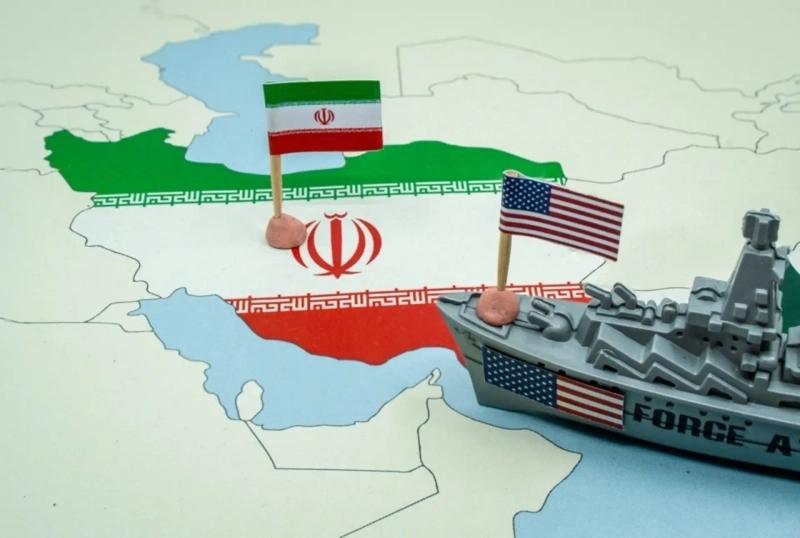
Iran announced alternative shipping routes through the Strait of Hormuz just 24 hours after a two-week ceasefire with the United States. The IRGC imposed two alternative routes that pass north and south of Larak Island, routes that closely approach Iranian shores. The IRGC Navy said all ships must coordinate with the IRGC Navy to prevent potential collisions with naval mines.
The new routing effectively shifts traffic closer to Iranian territorial waters. The move came as Iran agreed to temporarily reopen the waterway as part of the ceasefire, but the warning about sea mines showed the situation was still not fully stable.

Shipping Behavior Shifts
Early shipping data showed that vessel movements remained extremely limited. Multiple vessels transited the Strait via the Iranian-controlled route since the ceasefire, avoiding established lanes. According to Kpler, just four bulk ships passed through on the first day of the ceasefire—none of them crude oil tankers or LNG carriers.
Industry groups including BIMCO warned that shipowners are unlikely to rush into the Strait without clear guidance. Martin Kelly noted that masters and insurers are far more likely to opt for a safe route if they believe mines have been placed in the TSS.
Bitcoin Tolls and Geopolitical Leverage
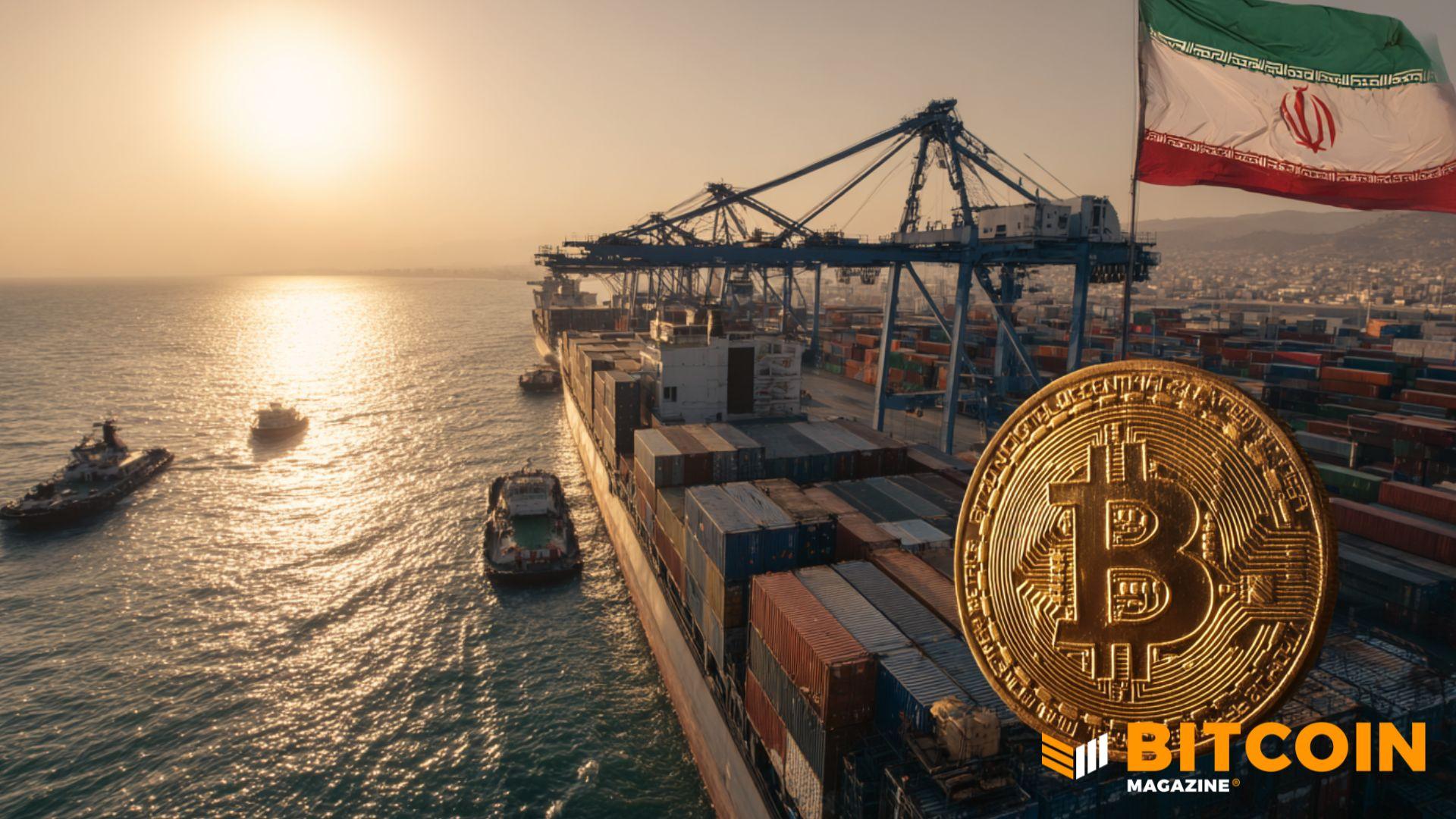
Iran reportedly planned to charge oil tankers a Bitcoin-denominated toll for passage through the Strait of Hormuz. Hamid Hosseini said vessels are given a few seconds to pay in bitcoin, ensuring they can’t be traced or confiscated due to sanctions. The move would convert control over a physical chokepoint into a settlement regime outside the ordinary reach of dollar clearing.
The FT cited Kpler data showing 175 million barrels of crude and refined products loaded on 187 tankers in the Gulf. The route handles roughly 20% of global petroleum liquids consumption.
International Reactions and Legal Questions
The two-week ceasefire was secured less than an hour before a deadline issued by Donald Trump. British Prime Minister Keir Starmer said there was still a lot of work to do to reopen the Strait of Hormuz. A dispute emerged between Iran and Oman over proposed transit fees for ships passing through Hormuz.
Under international maritime law, ships have the right to transit passage without interference or fees. Iran’s proposal could be seen as highly controversial and widely opposed by other countries.