Iran08 April, 20261 min read
Iran Forces U.S.-Israel Surrender After 41-Day War and Nuclear Gains
Ceasefire reached after 41 days of fighting between Iran and US-Israel. Outlets frame Iran as strategic winner; US-Israel retreated from the battlefield.
Ceasefire and Strategic Defeat
Iran forced Washington and Tel Aviv into a ceasefire widely characterized as a strategic surrender. PressTV reported Israel's Maariv admitted the war ended in a decisive victory for Iran.
The ceasefire came the day after the U.S.-Israeli coalition assassinated Supreme Leader Ali Khamenei. Iran emerged intact with its political system, nuclear program and regional influence not only preserved but strengthened.

Nuclear and Regional Gains
Iran was not compelled to relinquish any of its 450 kilograms of enriched uranium. The Pentagon acknowledged Iran exercised battlefield initiative throughout.
The Strait of Hormuz was effectively controlled by Iran. Iranian missile strikes continued across the region.

Human Cost and Infrastructure
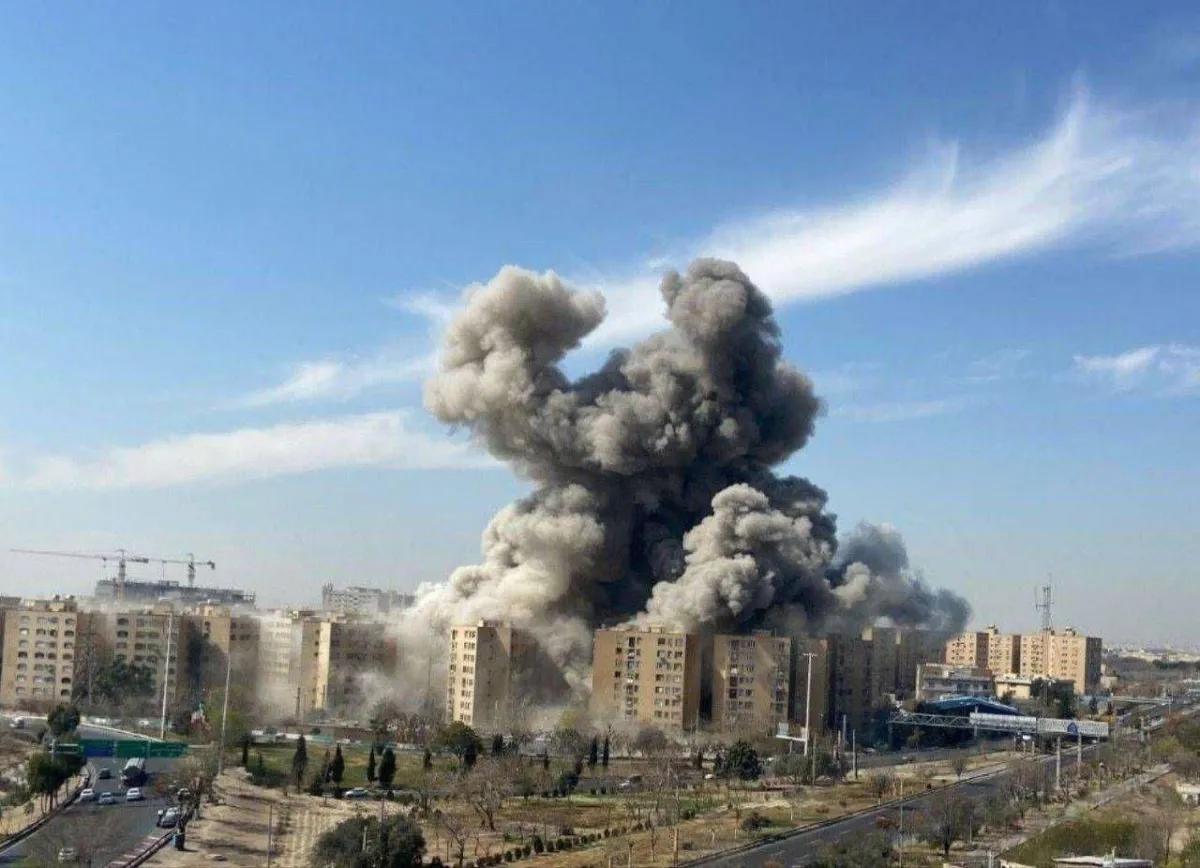
The human cost of the war ran into the tens of thousands across the region. 5,000 buildings were destroyed in Tehran alone.
Water treatment centers in Ahvaz were around 10% operational. The Red Cross warned about the destruction of trauma facilities in Gaza.
Political Fallout and Evolving Alliances
Trump claimed victory while the Pentagon warned strikes would intensify. Pelosi announced a House subcommittee investigation into the botched Title 50 effort.
Turkey's NATO interception of an Iranian missile exemplified accelerating third-party entanglements. Hezbollah rearming and the Axis of Resistance stronger in roots and reach.