
Iran Foreign Minister Abbas Araghchi Warns Readiness To Resume War With United States
Key Takeaways
- Iran ready to resume direct war with the United States if talks fail.
- War and blockade impose economic costs on Iran's economy.
- Diplomatic talks to resume Iran-US engagement are ongoing, with international observers.
Talks stall, war readiness
Iran’s Foreign Minister Abbas Araghchi said Iran remains ready to resume direct military conflict with the United States if negotiations fail to produce acceptable results.
“Iran says lack of trust is the main obstacle in US negotiations Tehran, Iran – Foreign Minister Abbas Araghchi says Iran remains ready to resume direct military conflict with the United States, if negotiations fail to produce acceptable results”
Araghchi warned that the US-Israel war on Iran has also been impacting ordinary American households, writing on X that “Americans are told that they must absorb rocketing costs of war of choice on Iran.”

The Reuters and BBC-style economic context in the reporting centered on the Strait of Hormuz, where around a fifth of the world’s oil and gas is normally shipped, with Araghchi linking the conflict to an effective closure of the strait.
Parliament speaker Mohammad Bagher Ghalibaf, who led the first round of talks with the US in April, mocked the financial burden on Americans in a post on X, asking “So, you’re funding [Pete] Hegseth the failed TV host at rates unheard of since 2007”.
Domestic pressure and executions
As the fragile ceasefire holds, Iranian authorities called on supporters to take to the streets every night, framing the mobilisation as an essential component to ensuring “victory” against the US.
State television intensified its messaging on Friday evening, with multiple channels broadcasting hosts brandishing assault rifles, and the Ofogh channel hosted a masked commander of the Islamic Revolutionary Guard Corps (IRGC) who instructed viewers on how to load a variant of an AK-47 assault rifle.
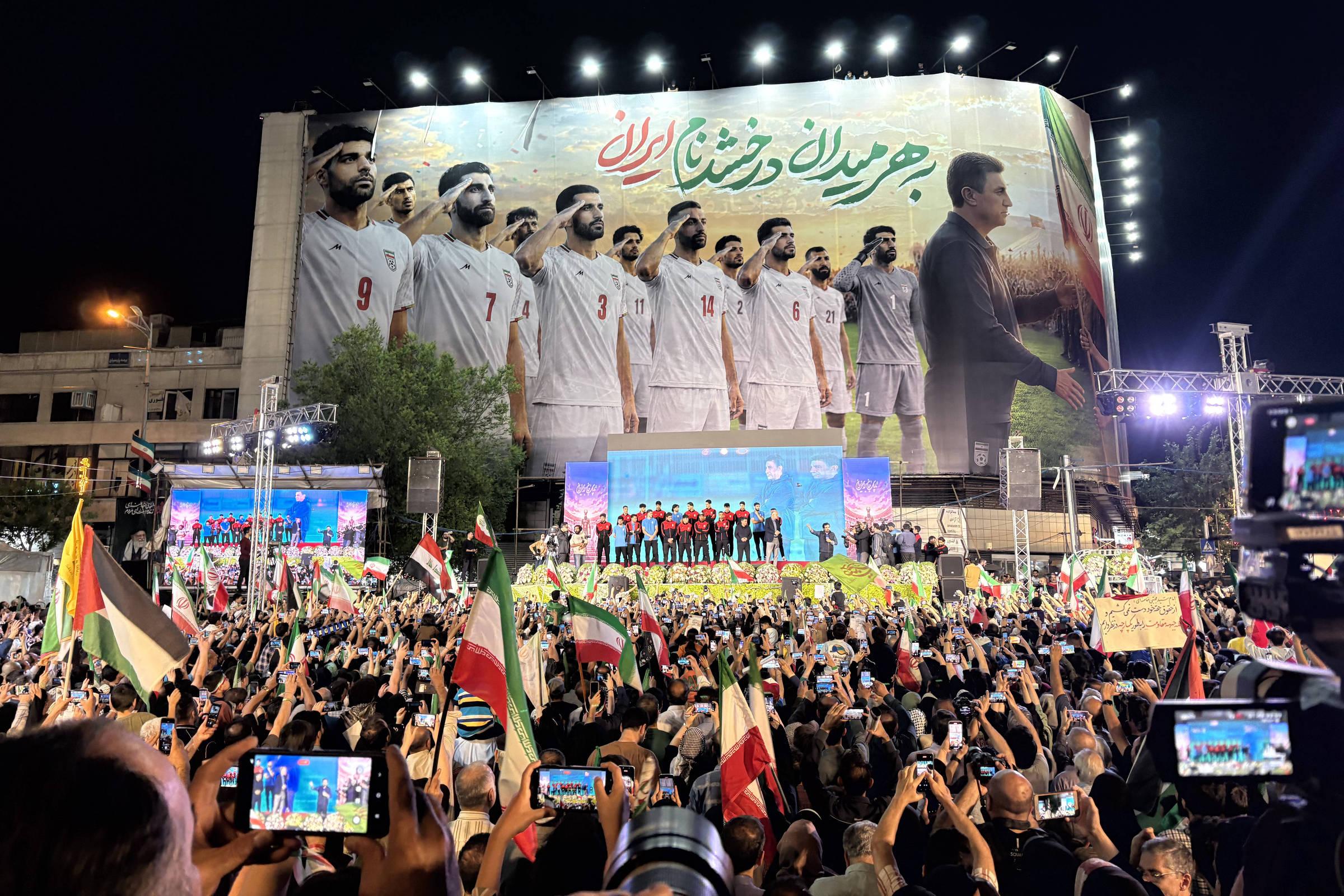
In parallel, Iran’s judicial system reported that “30 people have been executed on political grounds since the beginning of the country's conflict with the United States and Israel on February 28.”
The same Radio Free Europe/Radio Liberty report said the judicial system’s May 16 release described those executed as found guilty of “espionage” and “terrorism” in cases related to large-scale anti-government protests earlier in the year.
Economy, blockade, and daily life
Iran’s economic pressures were described through official figures showing food inflation hit 115 percent in the first Persian calendar month ending in late April, with staples such as cooking oil, rice and chicken tripling in price over the past year.
“The top leadership, namely the Supreme Leader, has been lost”
The reporting also tied the economic strain to the Strait of Hormuz, with the US-Israel war on Iran resulting in the effective closure of the strait where around a fifth of the world’s oil and gas is normally shipped.
In Tehran, AFP accounts described a daily life shaped by fear and restrictions, with one resident telling AFP: “Cafés are open, we go out, fuel, water, and electricity are available, but there is a sense of helplessness that grips us all.”
Another Tehran resident, who asked not to be named for security reasons, said the sounds of explosions and missiles have become part of daily life, adding: “This situation has gradually become more and more normal for everyone.”
More on Iran
Russia Presses Toward Kharkiv as Vovchansk Fighting Continues, BBC Reports
12 sources compared

Mahmoud Abbas Casts Ballot in Fatah Leadership Elections in Ramallah, Gaza, Cairo, and Beirut
16 sources compared
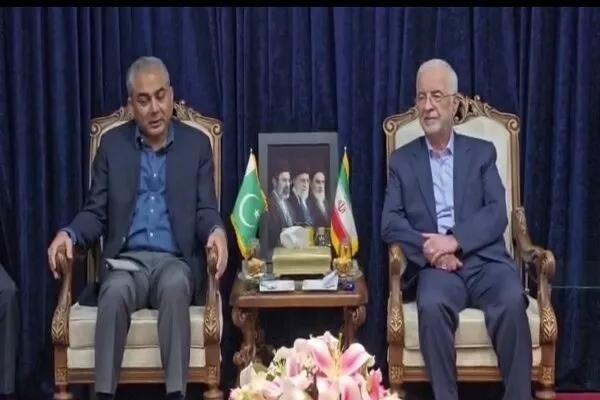
Iran And Pakistan Interior Ministers Meet In Tehran To Restart U.S.-Iran Peace Talks
12 sources compared

United States and Israel Prepare Renewed Strikes Against Iran As Early As Next Week
13 sources compared