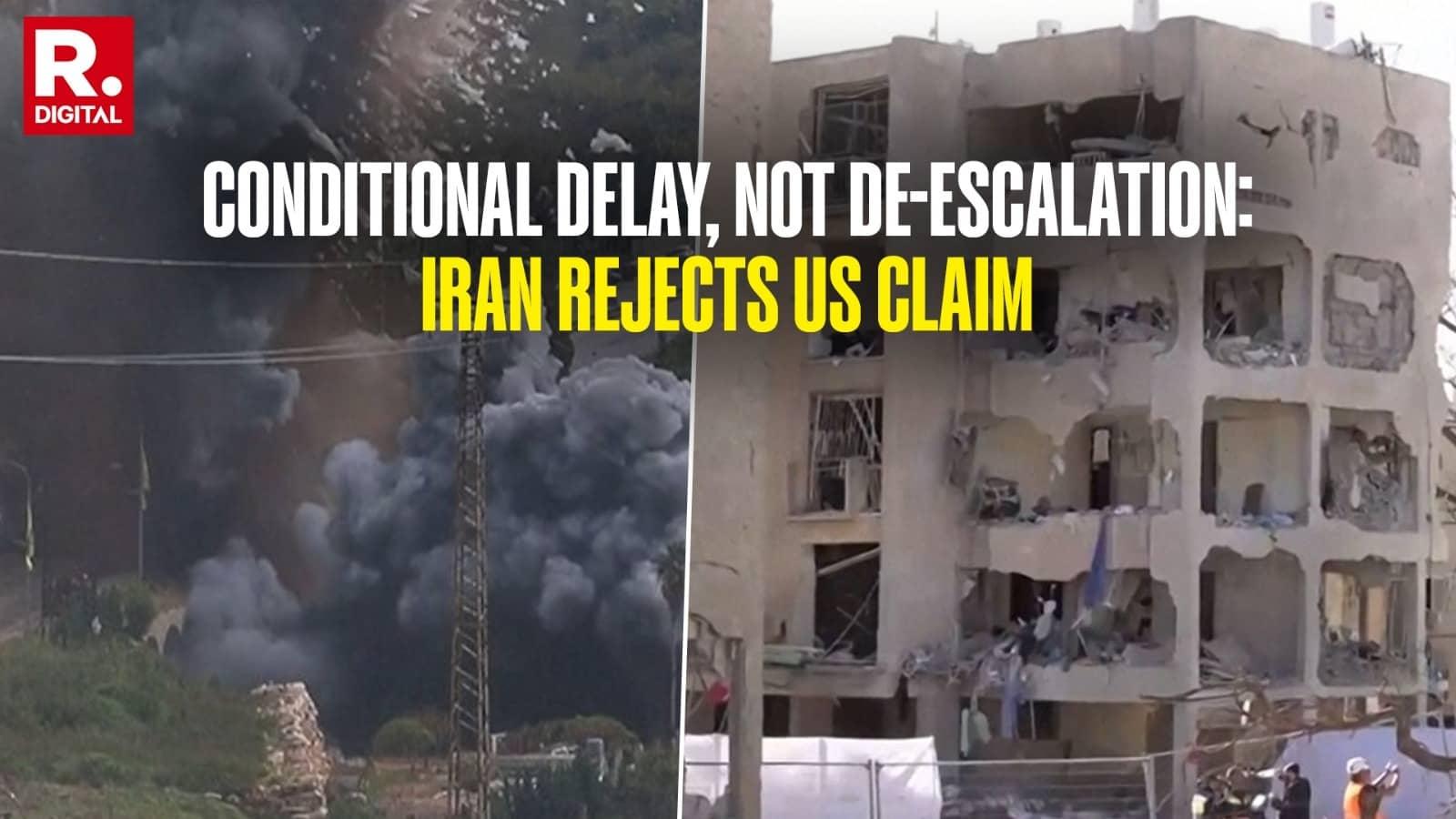
Iran hardens negotiating stance with US amid mediation efforts
Key Takeaways
- Iran's negotiating posture has hardened sharply since the war began.
- Iran would demand significant concessions from the United States, including end to war.
- Iran rejects claims of productive talks and says no direct or backchannel talks.
Iran's Hardened Demands
Iran has significantly hardened its negotiating posture since the commencement of hostilities with the US and Israel.
“Iran’s negotiating posture has hardened sharply since the war began, and it will demand significant concessions from the United States ifmediation effortslead to serious negotiations, three senior sources in Tehran said”
According to three senior sources in Tehran, Iran would not only seek an end to the current war but also demand guarantees against future US military action.
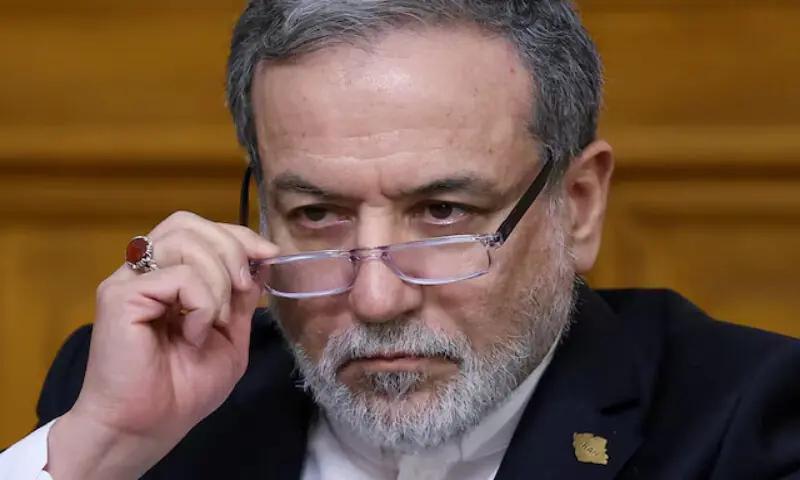
Iran would also demand compensation for wartime losses and formal control over the strategic Strait of Hormuz.
These demands come as Iranian officials maintain that no direct or indirect negotiations are taking place with the United States.
Iran's Foreign Ministry has explicitly stated that Tehran rejects any negotiations before achieving its war objectives.
Iran dismisses Trump's claims of 'productive conversations' as false, viewing US outreach as a 'retreat' rather than progress.
Military as Bargaining Chip
Iran's military capabilities have become central to its negotiating strategy, with ballistic missiles and control of the Strait of Hormuz serving as its most effective deterrents against US-Israeli strikes.
Iranian strategists view these capabilities as non-negotiable elements that cannot be relinquished without leaving the country defenseless against future attacks.

The Strait of Hormuz, through which approximately one fifth of the world's oil and liquefied natural gas typically flows, represents a critical economic and strategic bargaining chip.
Tehran's use of these capabilities has already demonstrated effectiveness, with analysts suggesting that Iran's credible military threats forced Trump to withdraw from planned strikes.
Iran's military posture has been reinforced by its successful use of these deterrents, which have significantly impacted the strategic calculus of both Washington and Tel Aviv.
Domestic Constraints
Iranian negotiators face significant domestic constraints that limit their flexibility in any potential talks with the United States.
“Updated 23 March 2026 at 18:38 IST Iran Rejects Trump’s ‘Productive Talks’ Claim, Says No Negotiations; Warns Hormuz Will Stay Shut Amid War Threats Tehran dismisses US outreach as ‘retreat’, denies any direct or backchannel talks”
Within Iran, the Revolutionary Guards have gained greater influence, reducing the maneuvering room for diplomatic concessions.
The uncertainty at the top of Iran's political system, with the new Supreme Leader Mojtaba Khamenei having not yet appeared in photographs or video since his appointment, adds complexity to decision-making.
Iran has cultivated a public narrative of resilience during the conflict that makes compromise domestically difficult.
Tehran's diplomatic calculus is complicated by historical precedent, as Iranian strategists remain unwilling to trust agreements with the US and Israel after coming under attack following an earlier deal.
They have also observed Israel continuing to strike Lebanon and Gaza after ceasefires were established, reinforcing their skepticism about US and Israeli commitments.
International Perceptions
International perceptions of Iran's hardened stance vary significantly, with Israeli officials expressing skepticism about the likelihood of Tehran agreeing to US demands.
Three senior Israeli officials stated that while Trump seemed determined to reach a deal, they believed it was unlikely that Iran would accept US demands.
These Israeli officials expected US demands would include an end to Iran's ballistic missile and nuclear programmes.
This Israeli assessment reflects the deep mistrust between the two nations and their fundamentally different strategic objectives.
International observers note that Iran's refusal to negotiate before achieving its war objectives represents a significant shift from previous diplomatic approaches.
The Iranian position suggests Tehran views the current conflict as an opportunity to secure long-term strategic advantages rather than merely seeking to end hostilities temporarily.
This hardened stance has created a complex diplomatic landscape where traditional mediation efforts face substantial obstacles.
More on Iran

Pentagon orders 1,000 82nd Airborne troops to West Asia amid Kharg Island seizure talks
13 sources compared

U.S. Prepares to Deploy 1,000 82nd Airborne to West Asia to Seize Airfields
17 sources compared

Pentagon deploys 3,000 82nd Airborne troops to West Asia to backstop Iran war operations
14 sources compared

US, Israel escalate West Asia strikes as US demands Iran roll back nuclear program
12 sources compared