.png&w=3840&q=75)
Iran Imposes $1 Per Barrel Bitcoin Toll on Oil Tankers in Strait of Hormuz
Key Takeaways
- Iran imposes a Bitcoin toll of $1 per barrel for Hormuz transit during ceasefire.
- Payments are to be made in Bitcoin and verified tanker-by-tanker by Iranian authorities.
- Tehran links the toll to ceasefire terms, seeking control over Hormuz amid negotiations.
Iran's Bitcoin Toll
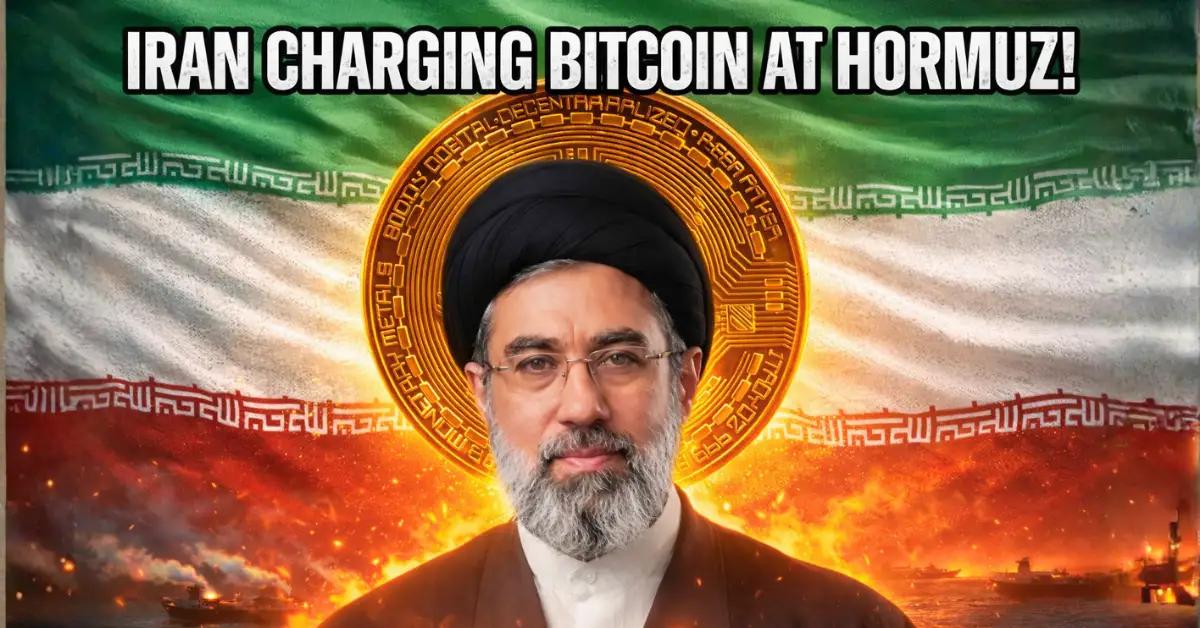
Iran has imposed a $1 per barrel toll on oil tankers transiting the Strait of Hormuz, demanding payment exclusively in Bitcoin.
“Skip to content Transport UN warns Hormuz toll plan would set ‘dangerous precedent’ as Iran proposal complicates ceasefire talks Iran’s push to charge transit fees through the Strait of Hormuz has emerged as a key sticking point in US-Iran negotiations, with global shipping rules and energy flows at stake Tala Michel Issa Thu 9 Apr 2026 Share Share × Copy to clipboard”
Hamid Hosseini explained that each tanker must email Iranian authorities and then pay the toll in cryptocurrency within seconds.
Empty tankers pass for free.
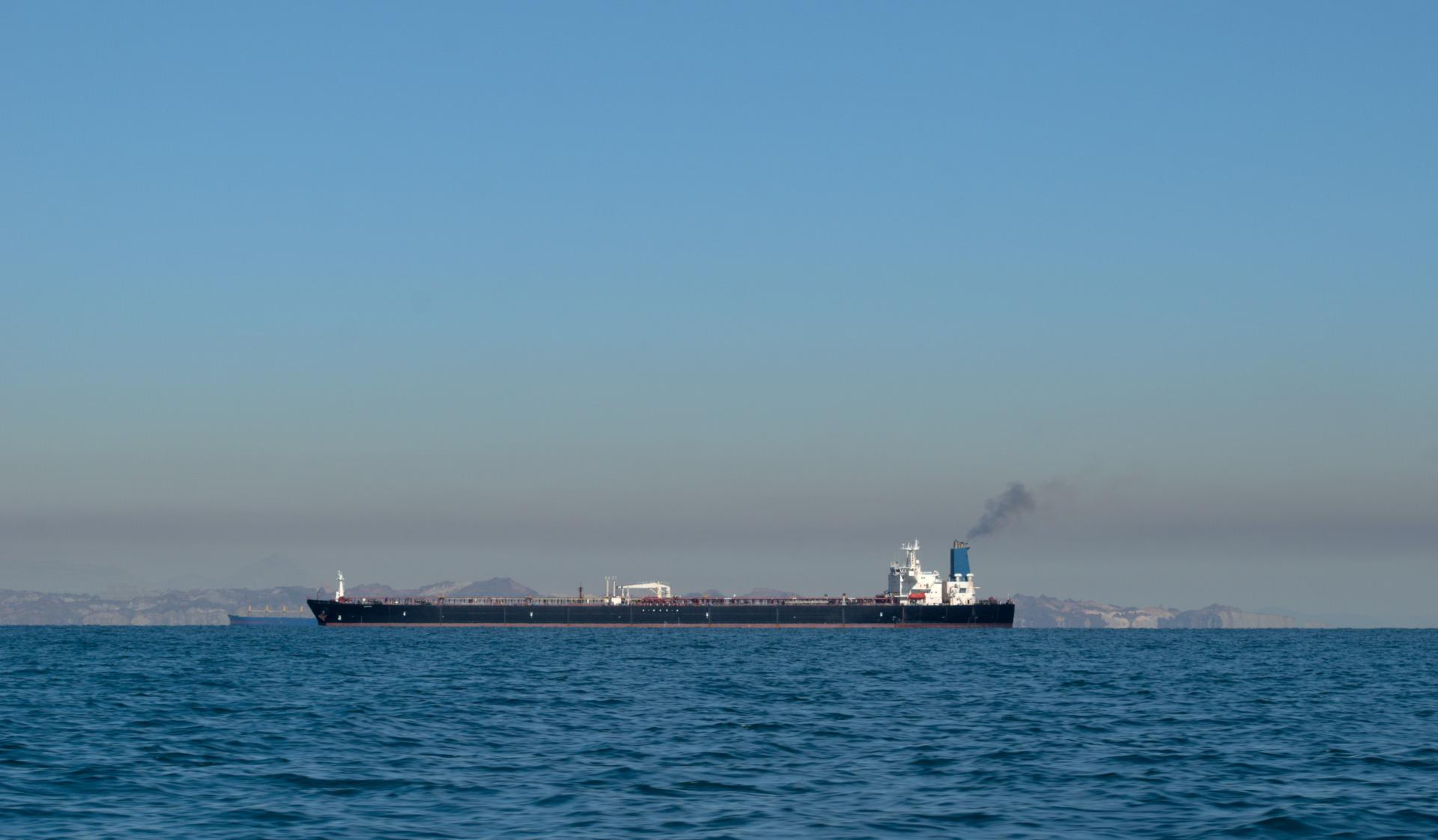
The largest crude oil tankers carry around 3 million barrels, meaning a single passage could require a $3 million Bitcoin payment.
The toll system is part of a wider framework requiring ships to submit detailed cargo information and undergo background checks.
Martin Kelly said the new regulations will reduce transit capacity from 135 ships per day to 10-15.
The United Nations' shipping agency warned that imposing tolls on international straits would set a dangerous precedent.
Legal and Commercial Backlash
Iran's toll has been widely condemned as illegal under international law.
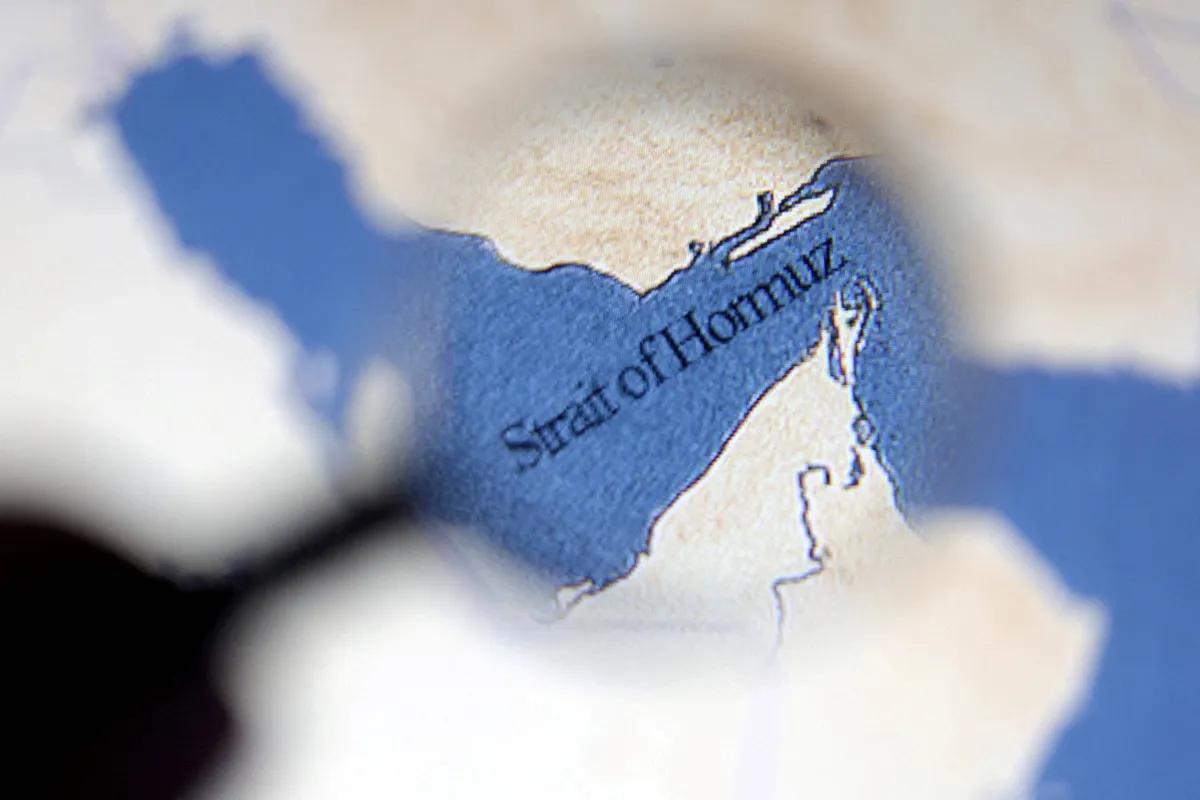
The Strait of Hormuz is governed by UNCLOS, which guarantees the right of transit passage for vessels.
Oman has signed international agreements ensuring that no fees are imposed on ships passing through the Strait.
The Gulf Cooperation Council has confirmed that Iran's toll-collection regime is already operational, in flagrant violation of the law of the sea.
The United Nations' International Maritime Organization stated that states bordering straits shall not hamper that right.
Shipping activity remains heavily restricted despite the two-week ceasefire.
The International Energy Agency described the blockade as more consequential than the disruptions of 1973, 1979, and 2022 combined.
Economic and Strategic Stakes
The Strait of Hormuz carries about 20% of the world's oil supply.
“Zafar is a seasoned crypto and blockchain news writer with four years of experience”
Saudi Arabia, Iraq, and the UAE depend on it for more than 50% of their crude exports.
Kuwait and Qatar depend on it at 100%.
Iran could collect up to $120 billion per year, about a quarter of its GDP.
The toll price remains relatively low compared with the price of a barrel.
Gulf producers would bear the largest share of costs due to their structural dependence.
The toll legitimizes the strategic control of the Strait by the Islamic Revolutionary Guard Corps.
US-Iran Negotiations and Regional Responses
The toll has become a key sticking point in US-Iran negotiations.
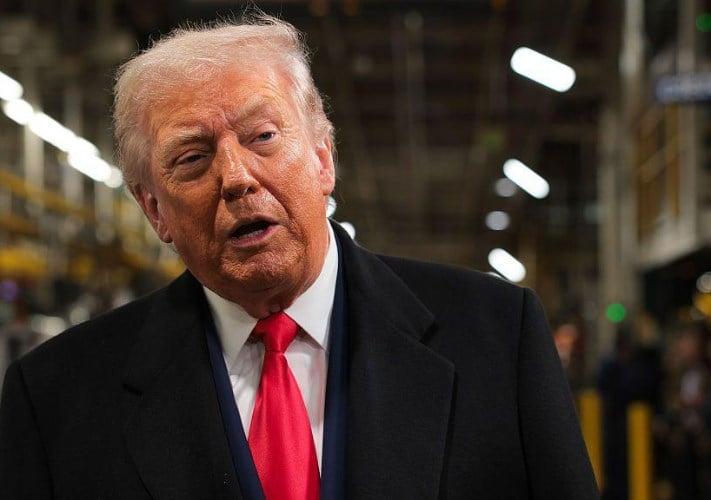
President Trump expressed openness to a joint U.S.-Iran operation to secure the Strait.
Gulf states have rejected the toll.
Iran is seeking recognition of its authority to regulate passage as part of a longer-term settlement.
The United Nations Security Council rejected a resolution aimed at compelling Iran to open the Strait.
More on Iran
Trump Imposes 50% Tariffs on Countries Supplying Military Weapons to Iran
16 sources compared
Iran's Supreme Leader Declares New Phase in Strait of Hormuz Management Amid Ceasefire
18 sources compared

US and Iran Agree to Two-Week Ceasefire Including Lebanon Amid Strait of Hormuz Tensions
64 sources compared

Greenland Prime Minister Rejects Trump’s Insult Amid US Control Talks
33 sources compared