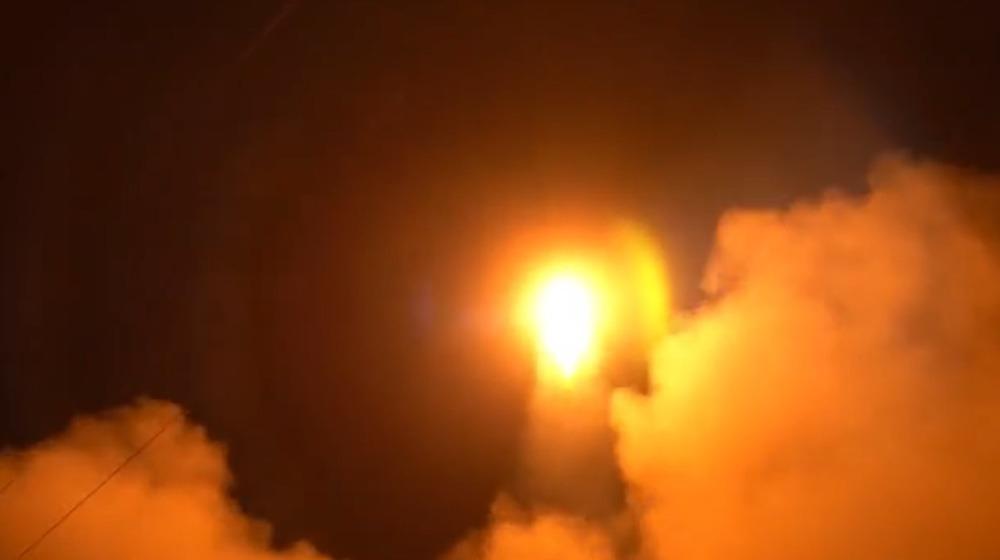
Iran launches 80th wave of missiles at US-Israeli positions in Operation True Promise 4
Key Takeaways
- IRGC launched 80th wave of Operation True Promise 4 against Israeli targets and US bases.
- Missiles and drones struck strategic military sites in northern Israel and U.S. outposts.
- The strikes are retaliation in support of Hezbollah and to counter US influence.
80th Wave Launch
Iran launched its 80th wave of missiles as part of 'Operation True Promise 4,' targeting strategic US and Israeli positions in the region amid ongoing geopolitical tensions.
“Iran's IRGC has launched the 80th wave of its retaliatory 'Operation True Promise 4,' striking strategic military centres in northern Israel and American outposts across the region in support of Lebanon's Hezbollah resistance movement”
The Islamic Revolutionary Guard Corps (IRGC) Aerospace Force executed the coordinated attack, which marked the continuation of Iran's retaliatory campaign that began in late February.
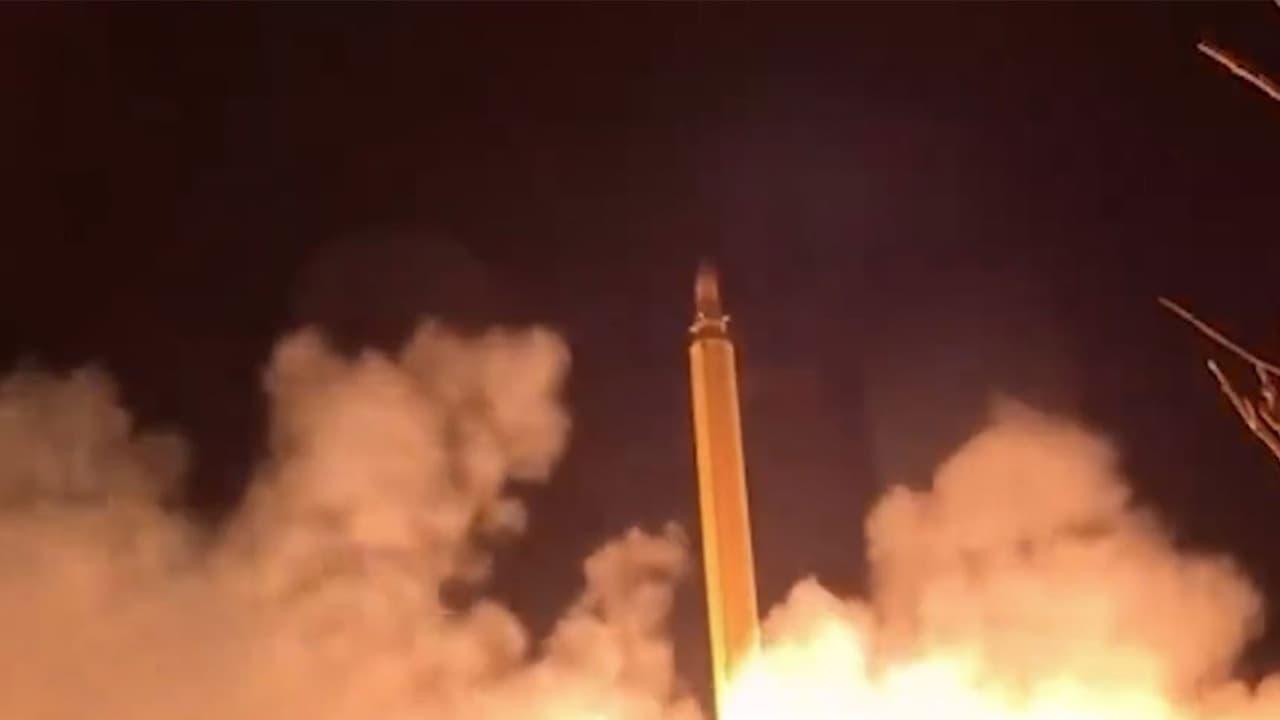
The operation demonstrated Iran's continued military capabilities despite claims from US officials about dismantling Iranian forces.
The strike coincided with conflicting diplomatic signals, as Tehran maintained its offensive posture while Washington simultaneously suggested negotiations were underway to potentially end the month-long conflict.
Targeted Infrastructure
The 80th wave specifically targeted critical military infrastructure, including the Israeli army's command center in Safed responsible for coordinating northern front defenses.
Precision missile and drone strikes reportedly hit strategic locations in central Israel such as Tel Aviv, Kiryat Shmona, and Bnei Brak, while also extending to US military bases across Kuwait, Jordan, and Bahrain.

The IRGC described these actions as the first in a planned series against what it termed the 'child-killing Zionist regime,' warning of continued strikes on Israeli troop concentrations and US military installations.
The attacks were characterized as part of Iran's broader strategy to bolster Hezbollah resistance movement in Lebanon and counterbalance Israeli aggression and US influence in the region.
Diplomatic Contradictions
The operation unfolded amid starkly contrasting narratives from Washington and Tehran, with US President Donald Trump simultaneously claiming diplomatic progress while asserting Iran's complete military defeat.
“While Washington claims to have dismantled Iran's military capabilities, Tehran continues to target intelligence and logistics hubs, signaling a complex standoff between battlefield maneuvers and high-stakes diplomacy”
Trump stated that negotiations were underway and declared that 'their navy's gone, their air force is gone, their communications are gone. pretty much everything they have is gone,' claiming US forces could fly over Iranian territory at will.
However, Iranian officials dismissed these claims as strategic defeats for the US, characterizing the geopolitical power dynamics as unfavorable to American interests.
The IRGC spokesperson derided Trump's negotiation strategies, suggesting internal US conflicts and declaring that stability in the region 'is guaranteed only by the powerful hand of our armed forces.'
This divergence in public statements reflected the deep mistrust between the two nations despite reported diplomatic channels.
Iranian Resolve
Iran's military leadership has unequivocally signaled its determination to continue the offensive until achieving what it terms 'complete victory' against the US-Israeli alliance.
The IRGC described the 80th wave as merely the beginning of a broader series of planned actions, with warnings that Israeli troop concentrations in northern areas and around Gaza could face further missile and drone strikes.

This unquenched resolve was emphasized in official statements that concluded with the declaration that 'This wave continues…' indicating no immediate end to the retaliatory campaign.
Iranian forces have explicitly stated they would 'never come to terms with the US-Israel forces,' framing the ongoing conflict as a legitimate defense operation that will persist until the end of what they describe as external aggression against the Islamic Republic.
Regional Implications
The escalating military operations have significant regional implications, particularly regarding energy security and stability in the Middle East.
“File Photo Updated 0 minute ago 01:45 PM West Asia War LIVE Updates | "Shows US wants to keep India in loop on W Asia crisis": Former diplomat Gurjit Singh on Trump`s call to PM Modi Former Indian diplomat Gurjit Sigh on Wednesday said the phone call between Prime Minister Narendra Modi and US President Donald Trump following the outbreak of the Iran war signals Washington`s intent to keep India closely consulted on developments in West Asia”
Iranian officials have explicitly linked the ongoing conflict to energy markets, suggesting that US investments in the region and traditional oil prices will not return to previous levels until 'stability in this region is guaranteed only by the powerful hand of our armed forces.'
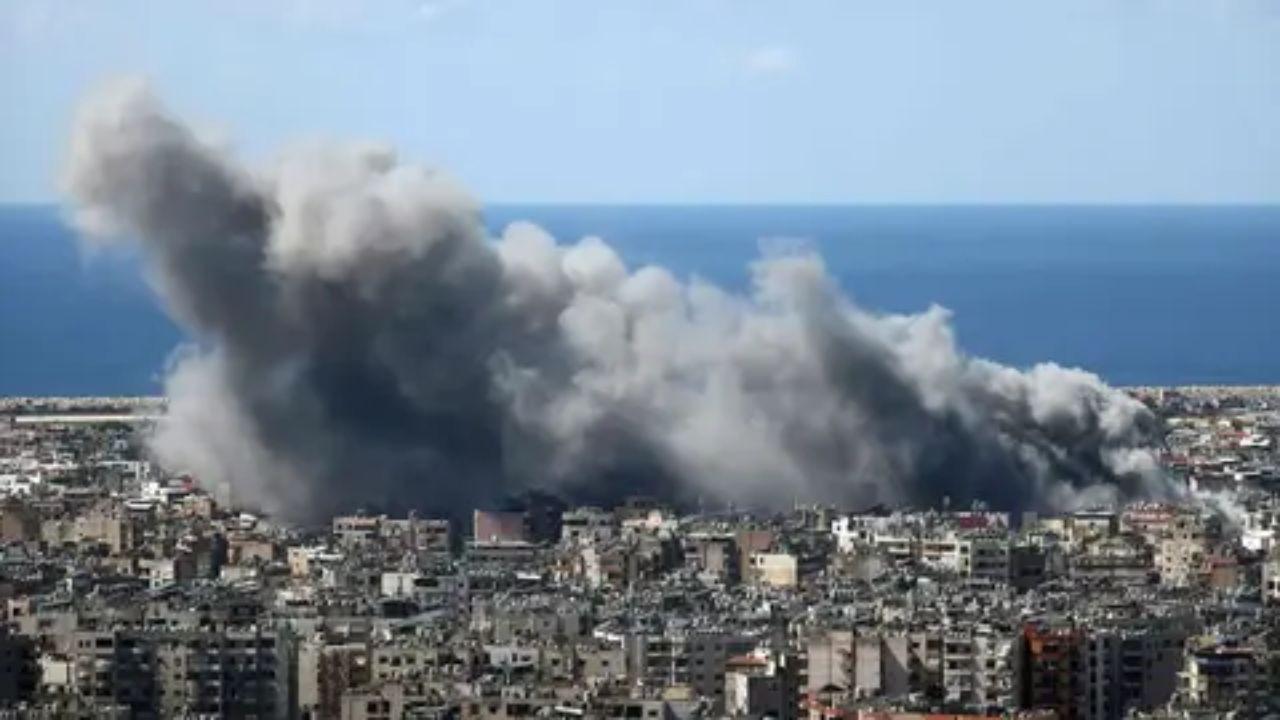
This indicates Iran's intention to leverage its military capabilities to reshape regional power dynamics and influence energy markets.
The strikes on US military bases across multiple countries—Kuwait, Jordan, and Bahrain—demonstrate Iran's ability to project power beyond its immediate borders and challenge American military presence throughout the region.
The operation has created a complex security environment where diplomatic negotiations continue to unfold alongside intensified military actions, potentially setting a new precedent for how regional powers respond to perceived external aggression.
More on Iran

Pentagon orders 1,000 82nd Airborne troops to West Asia amid Kharg Island seizure talks
13 sources compared

U.S. Prepares to Deploy 1,000 82nd Airborne to West Asia to Seize Airfields
17 sources compared

Pentagon deploys 3,000 82nd Airborne troops to West Asia to backstop Iran war operations
14 sources compared

US, Israel escalate West Asia strikes as US demands Iran roll back nuclear program
12 sources compared