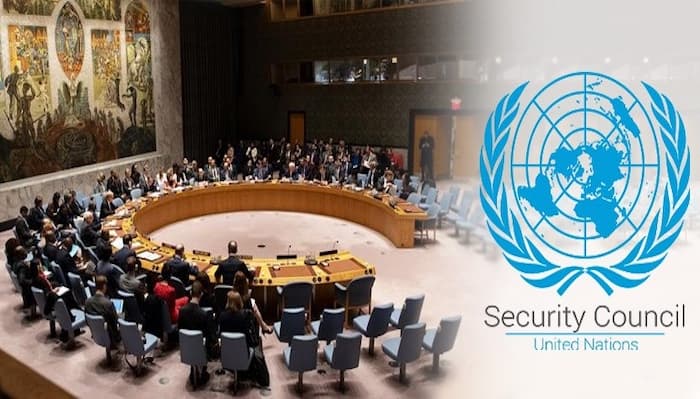
Iran Launches Massive Drone and Missile Barrage at Dubai's Financial District, UAE Warns
Key Takeaways
- UN Security Council adopted a resolution demanding Iran halt attacks on Gulf states.
- India co-sponsored the UN resolution condemning Iran's attacks.
- Iran launched attacks on Gulf states and Jordan.
Attack and immediate response
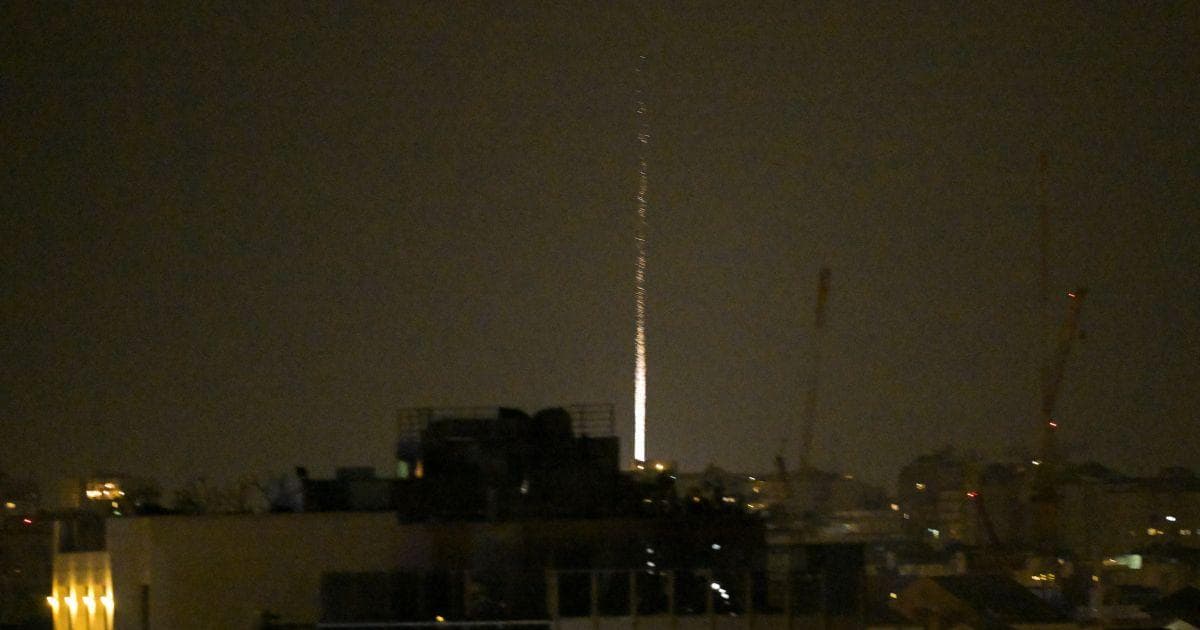
On March 13, 2026 Iran launched a heavy drone-and-missile barrage that struck toward Dubai’s financial district and other Gulf targets, prompting UAE air defences to respond and emergency alerts across the city.
“The UN Security Council on on Wednesday called for Iran to halt its attacks on Gulf states, in a resolution that did not mention US or Israeli strikes on Iran, prompting Tehran’s ambassador to decry a “blatant misuse” of the international body”
The UAE said its air defence systems "intercepted seven ballistic missiles and 27 unmanned aerial vehicles (UAVs) launched from Iran on Friday, March 13, 2026, as regional tensions continue to escalate," and an AFP correspondent reported that "an explosion was heard in Dubai on Friday... as the interior ministry sent mobile phone alerts warning of 'potential missile threats.'"
The strikes and alerts forced companies and institutions to take urgent protective measures, with "Citigroup and Standard Chartered have begun evacuating their Dubai offices," and they drew immediate international attention through a UN Security Council response condemning the attacks.
Diplomatic fallout
The strikes prompted an immediate diplomatic and multilateral reaction: the UN Security Council demanded Iran stop its attacks on Gulf states in a resolution, while some countries and delegates criticised the text for omissions.
Arise News reported that "The UN Security Council on on Wednesday called for Iran to halt its attacks on Gulf states, in a resolution that did not mention US or Israeli strikes on Iran, prompting Tehran’s ambassador to decry a 'blatant misuse' of the international body."
Rediff noted the resolution was adopted with India among the co-sponsors, saying "India co-sponsored the Bahrain-led resolution along with over 130 nations," and the text "condemned in the 'strongest terms the egregious attacks' by Iran."
The UAE used diplomatic channels to brief partners and international organisations about what its representatives described as "Iranian aggression targeting the UAE."
Energy and shipping impact
The barrage intensified concerns about global energy and commercial shipping: the International Energy Agency agreed a large emergency oil release and major energy firms reported operational curbs.
Arise News said "32 member countries of the International Energy Agency (IEA) Wednesday agreed to release a historic 400 million barrels of oil from strategic reserves to stabilise supply and curb soaring prices."
At the same time, The Financial Express reported that "French energy company TotalEnergies said it has shut down about 15 per cent of its global oil and gas production, affecting operations in Qatar, Iraq and UAE offshore fields," and the UN-backed resolution flagged threats to maritime routes by condemning "any actions or threats by Iran aimed at closing, obstructing, or otherwise interfering with international navigation through the Strait of Hormuz."
Those developments underscored how the strikes threatened fuel markets and regional commerce.
Human toll and legal concerns
The strikes produced civilian harm and infrastructure damage in the UAE and prompted global concern about protection of civilians.
UAE authorities reported that "The attacks have resulted in six fatalities involving nationals of the UAE, Pakistan, Nepal and Bangladesh," and that there were multiple injuries across several nationalities.
The UN-backed resolution likewise "condemned that residential areas were attacked, civilian objects have been targeted and that the attacks resulted in civilian casualties and damage of civilian buildings," while Iranian spokespeople described international actions as unjust—Arise News quoted Tehran’s envoy calling the council text a "blatant misuse" of the body.
These combined accounts show both concrete human tolls inside the UAE and contested diplomatic narratives about culpability and accountability.
Wider disruptions and responses
Beyond immediate damage, the barrage disrupted business, travel and daily life across the Gulf and forced policy and commercial adjustments.
“The UN Security Council on on Wednesday called for Iran to halt its attacks on Gulf states, in a resolution that did not mention US or Israeli strikes on Iran, prompting Tehran’s ambassador to decry a “blatant misuse” of the international body”
The Financial Express reported that "more than 1.4 million passengers passed through the nation’s airports between March 1 and March 12" even as it noted the authority estimated carrier activity had "reached about 44.6 per cent of levels recorded before the first missile and drone attacks"; the paper also recorded measures such as "India’s IndiGo has introduced a fuel surcharge on domestic and international routes, effective March 14, 2026."
Arise News described corporate precautions with "Citi, StanChart Evacuate Dubai Offices, HSBC Closes Qatar Branches," and Rediff emphasised the broad diplomatic backing behind the Security Council text, noting the resolution had been co-sponsored by over 130 countries.
Together these items show how the attacks reverberated through travel, finance and diplomacy in the region.
More on Iran
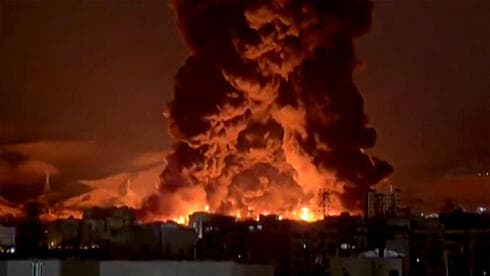
Trump Says U.S. Bombed Military Sites on Kharg Island, Iran's Oil Hub
14 sources compared
FBI Warns of Iranian Drone Plot Based on Unverified Tip; California Says No Credible Threat
10 sources compared

White House Demands ABC Retract Report Claiming Iran Sought To Launch Drone Attacks On California
11 sources compared

Iranian Proxy Claims It Shot Down US Refueling Plane in Iraq; US Military Says Otherwise
17 sources compared