
Iran Names Mojtaba Khamenei Supreme Leader Amid Intensifying US‑Israel War
Key Takeaways
- Mojtaba Khamenei was named Iran’s new top leader after his father’s death.
- An Israeli strike killed Mojtaba’s father, sparking the US‑Israel war with Iran.
- The conflict entered its tenth day with escalating strikes across the Middle East.
Iran's new Supreme Leader
Iran has formally named Mojtaba Khamenei as its Supreme Leader amid a widening regional conflict that has drawn in Israel and the United States.
“As the war enters day 10, attacks escalate across the Middle East and oil surges Iran launched new attacks after naming Mojtaba Khamenei, son of its late supreme leader, as his successor—a move rejected by US President Donald Trump”
Reporting across outlets notes the appointment and immediate signs of elite support: "Mojtaba Khamenei was named Iran’s new supreme leader; the Revolutionary Guards pledged loyalty."

WION described the move similarly, saying "Iran has formally appointed Ayatollah Seyyed Mojtaba Hosseini Khamenei as its new Supreme Leader; China called that decision an internal matter and urged respect for Iran’s sovereignty."
The Washington Post framed it as a consolidation of power, stating "Iran’s supreme leader position has been filled by Khamenei’s son, extending hardline control" (reported March 8).
Middle East military exchanges
The appointment comes against a backdrop of intense military exchanges across the Middle East: Israel has struck targets beyond its borders, Iran has launched missiles, and multiple states report interceptions of drones and missiles.
Gulf News summarised the battlefield picture: "Israel has struck targets in Lebanon and Iran; Tehran has launched missiles; Gulf states report frequent interceptions of drones and missiles. Israel reports multiple alerts daily; Prime Minister Benjamin Netanyahu warned of 'many surprises' ahead."
WION recorded parallel developments on the frontlines, noting that "sirens sounded in Haifa after Iranian missiles were launched toward Israel; a strike hit Beirut's southern suburbs; the UAE and Abu Dhabi reported missile threats."
The Washington Post highlighted U.S. strikes in the theatre, reporting that a "Video appears to show a U.S. Tomahawk missile striking a naval base near an Iranian school (reported March 8)."
Civilian toll and investigations
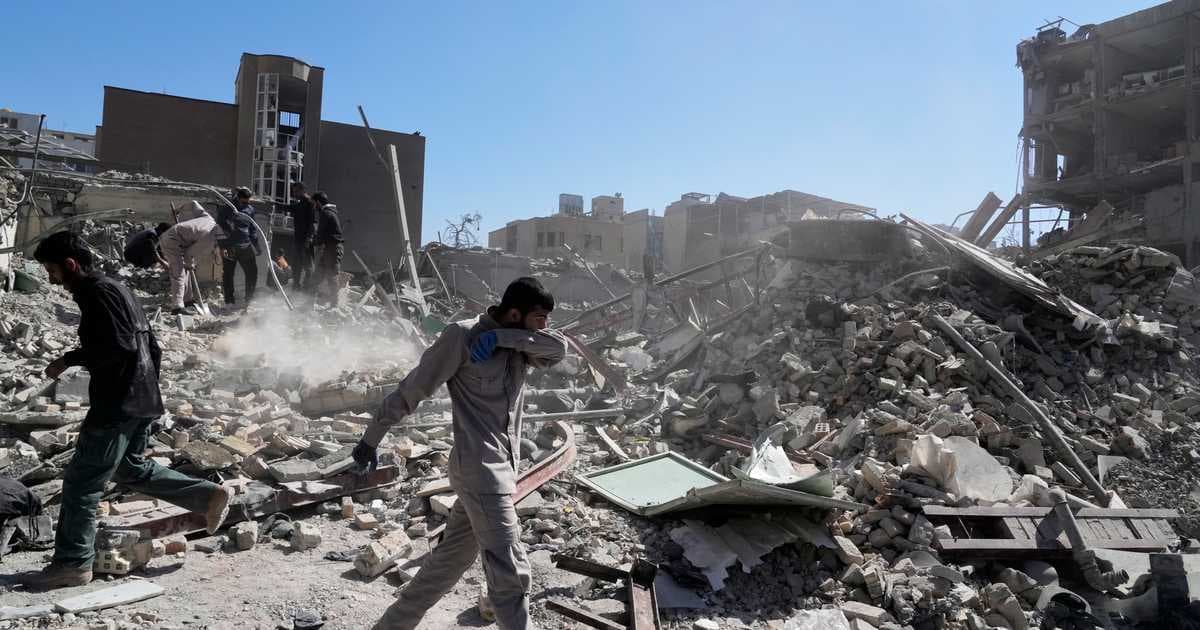
Civilians have borne a heavy humanitarian toll amid the fighting and there are active investigations into strikes that hit schools and populated areas.
“The US-Israel war with Iran enters day 10 after strikes that killed Supreme Leader Ali Khamenei”
Gulf News reported earlier aggregated counts saying earlier counts put total deaths at over 1,200 and detailed specific incidents including a probe into an airstrike that reportedly killed at least 168 children, with responsibility disputed.
WION documented related regional impacts and government condemnations, noting that Bahrain condemned what it called 'unprecedented' attacks tied to Iran.
The Washington Post reported that video appears to show a U.S. Tomahawk missile striking a naval base near an Iranian school (reported March 8), underscoring international scrutiny of operations that affect civilians.
US involvement and fallout
The United States has been directly involved and sustained casualties, while governments have adjusted diplomatic postures and signalled further involvement.
Gulf News reported U.S. service-member losses and political gestures, saying President Trump attended the return of remains and that the State Department ordered non-emergency diplomatic staff to leave Saudi Arabia.
Gulf News's reporting cites both one recent death and a broader toll of seven U.S. soldiers killed, and these differing figures represent a contradiction in the article's accounts.
WION reported U.S. officials stressing military resolve and quoted War Secretary Pete Hegseth on that stance.
The Washington Post reported that loaded Iranian ships departed a Chinese port carrying materials tied to key military chemicals (reported March 7).
The Washington Post also reported that the war with Iran is producing economic fallout that reaches well beyond oil and gas markets (reported March 8).
Responses to Iran fighting
The regional and international implications remain uncertain: states are calling for diplomacy even as Tehran signals punitive measures and markets react to the fighting.
“Democracy Dies in Darkness By Associated Press Iranian state TV early Monday said Mojtaba Khamenei, son of the country’s late supreme leader, He had long been considered a contender, even before an Israeli strike killed his father at the start of the war, and despite never being elected or appointed to a government position”
WION recorded diplomatic and domestic responses to the leadership change and fighting, saying "China called that decision an internal matter and urged respect for Iran's sovereignty" and that "Tehran said it will seize assets and penalize diaspora members who 'cooperate' with Israel and the US."
Gulf News pointed to economic volatility, reporting that "Oil futures surged (U.S. futures jumped about 18% to roughly $108/barrel)" and warned the "situation remains volatile, with sustained regional strikes, mounting civilian tolls and displacement, rising oil prices, and escalating geopolitical involvement by the U.S. and regional actors."
The Washington Post added that "The war with Iran is producing economic fallout that reaches well beyond oil and gas markets (reported March 8)," underscoring the wider uncertainties about how the new leadership and ongoing hostilities will affect the region and global economy.
More on Iran-Israel

Escalation in Iran Pushes Oil Near $120, Sparks Gas Price Surge in Los Angeles
10 sources compared
U.S. Intercepts Iran Message Activating Sleeper Cells After U.S.-Israel Strike Kills Khamenei
14 sources compared

Iran Threatens To Confiscate Property Of Iranians Abroad Who Support US And Israel
14 sources compared
Ukraine Sends Drones, Experts to Shield U.S. Bases in Jordan From Iran
16 sources compared