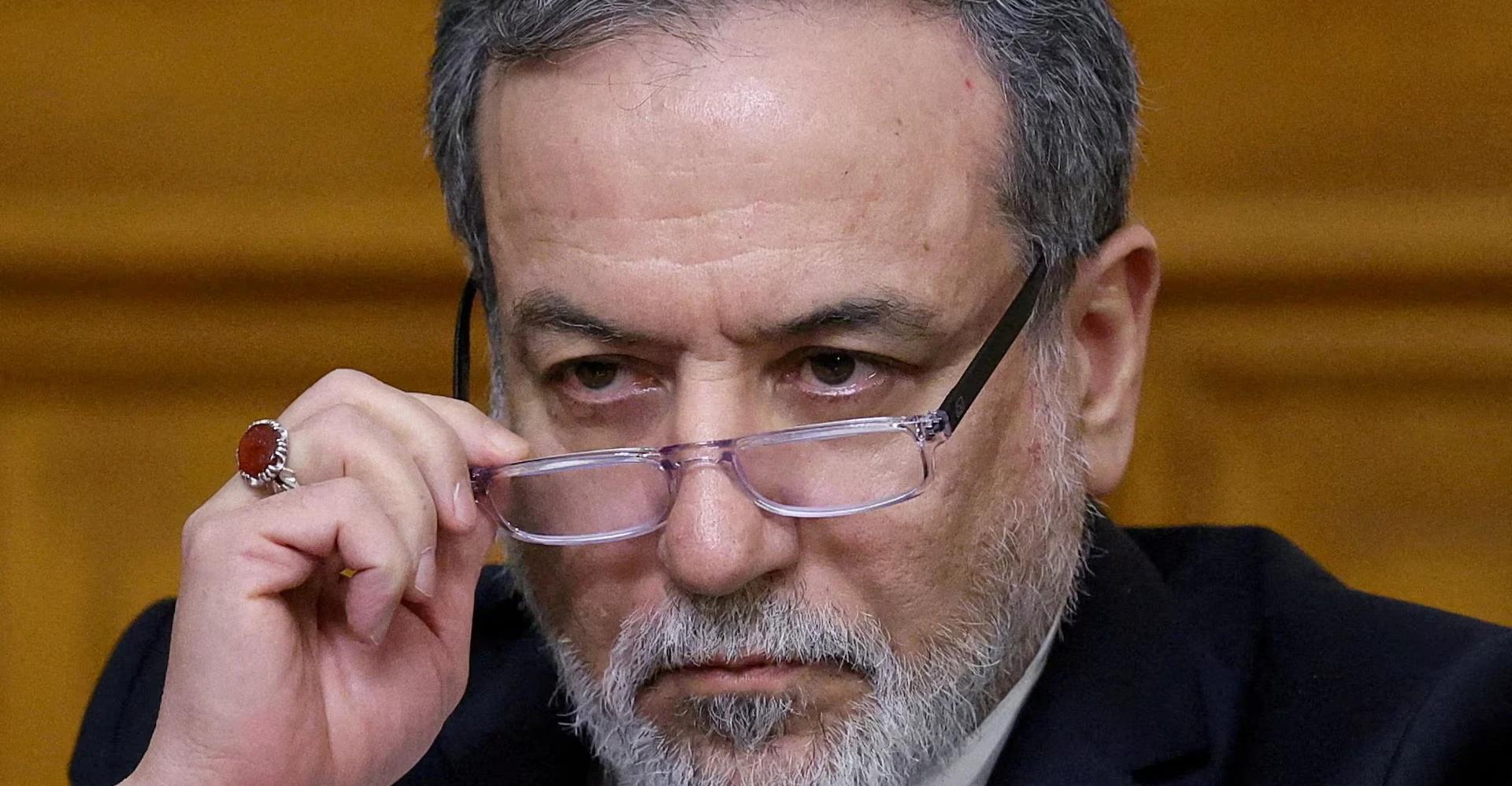
Iran Offers U.S. Deal Via Pakistani Mediators To Reopen Strait Of Hormuz, End War First
Key Takeaways
- Iran offers deal via Pakistani mediators to reopen Strait of Hormuz and end war first.
- Strait of Hormuz cannot be opened due to ceasefire breaches.
- Pakistan mediators facilitating talks between the U.S. and Iran.
A new sequence of demands
Iran and the United States are again negotiating through intermediaries, with Iran offering a structured path that places the end of the war and the Strait of Hormuz ahead of nuclear talks, according to multiple reports.
“Skip to main content 7 mins ago - Politics & Policy Iran offers U”
Axios says Iran “through Pakistani mediators gave the U.S. a new proposal” aimed at reopening the Strait of Hormuz and ending the war, while “nuclear negotiations postponed for a later stage,” citing “a U.S. official and two sources with knowledge.”
Shafaq News, citing Iran’s Tasnim News Agency, says Iran outlined “four conditions for ending the war,” including “a new legal framework for the Strait of Hormuz,” “compensation,” “guarantees against future military attacks,” and “the lifting of the naval blockade.”
InvestingLive reports that Al Mayadeen’s Tehran correspondent described a “three-phase negotiation blueprint,” with phase one focused on “ending the war” and “binding guarantees” covering “both Iran and Lebanon,” phase two centered on “management of the Strait of Hormuz” with Oman coordinating a “new legal framework,” and phase three reserved for “nuclear negotiations” that “will only begin after agreements are locked in at earlier stages.”
Politico adds that Pakistan’s mediators are trying to “bridge significant gaps between the U.S. and Iran,” and says Iran “still insists on ending the U.S. blockade on its ports before launching a new round of talks.”
Across the reports, the common thread is sequencing: war and maritime restrictions first, nuclear later, and the question of whether Washington will accept that order remains unresolved.
Muscat, Islamabad, and Moscow
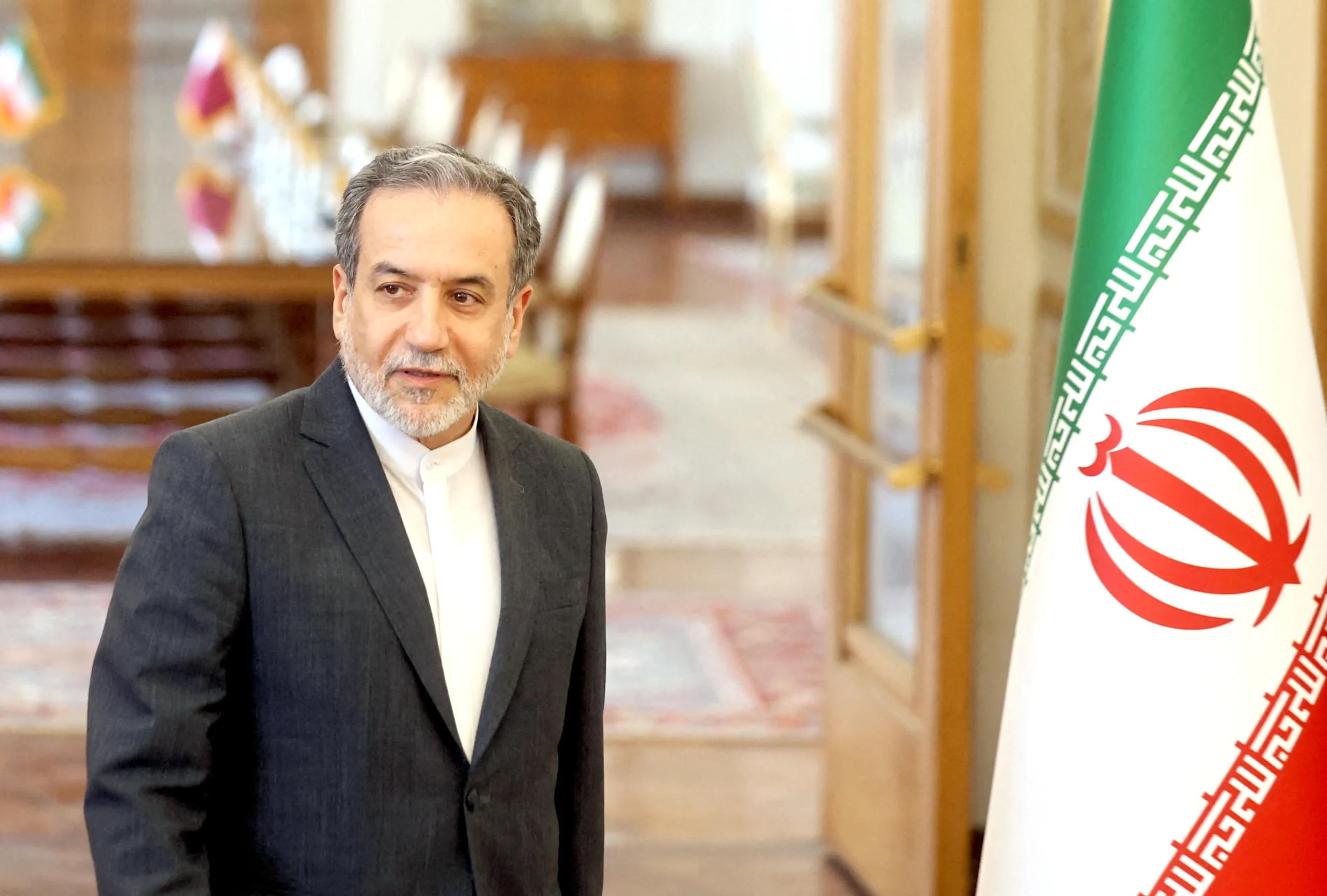
The diplomatic push described in the reports runs through multiple capitals, with Iranian Foreign Minister Abbas Araghchi moving between regional mediation hubs while Strait of Hormuz issues dominate early discussions.
Axios reports that on Sunday Araghchi “held talks with Omani officials in Muscat that focused on the Strait of Hormuz,” then “went back to Islamabad for a second round of talks,” and says that on Monday Araghchi was “expected to travel to Moscow and meet Russian leader Vladimir Putin.”
Politico similarly says Araghchi “spent most of Sunday in Oman” and is “expected to return to Islamabad on Sunday evening before departing for Moscow,” citing Iranian state media.
Shafaq News says Araghchi conveyed Iran’s “four conditions” during a “renewed visit to Islamabad,” which is acting as a mediator between Tehran and Washington, and says the trip was “focused on war-related negotiations rather than the nuclear file.”
Iran’s Tasnim News Agency is also cited in Shafaq News for the claim that Araghchi’s visit marks his “second stop in Pakistan over the weekend as part of a broader regional tour that also includes Oman and Russia.”
The movement of Araghchi across Muscat, Islamabad, and toward Moscow underscores that the immediate focus is maritime and war-related terms rather than the nuclear file, even as Washington presses for uranium-related outcomes.
Trump’s leverage and uranium
President Donald Trump’s public posture in the reporting centers on leverage and uranium, while Iranian officials and mediators attempt to keep nuclear discussions deferred until earlier stages are secured.
Axios says Trump signaled that “an oil facilities could be under risk of collapsing due to the inability to export oil,” quoting him: “When you have vast amounts of oil pouring through your system ... if for any reason this line is closed because you can't put it into containers or ships ... what happens is that line explodes from within ... they say they only have about three days before that happens.”
Axios also reports that Trump canceled a trip by envoys Steve Witkoff and Jared Kushner to Islamabad, saying: “I see no point of sending them on an 18-hour flight in the current situation [of the negotiations]. It's too long. We can do it just as well by telephone. The Iranians can call us if they want. We are not gonna travel just to sit there.”
Shafaq News says Trump told Fox News that Iran would “hand over uranium as part of negotiations” while reiterating that Tehran must not obtain a nuclear weapon, and adds that “Washington has leverage in the talks.”
Politico includes Trump’s condition that Iran “will not have a nuclear weapon,” quoting him on social media: “If they want to talk, all they have to do is call!!!”
The contrast between Trump’s uranium-centered demands and Iran’s sequencing approach is the core tension driving the stalemate described across the reports.
Mediation under pressure
Pakistan’s role in the negotiations is portrayed as urgent and improvisational, with officials scrambling after Trump’s decision not to send envoys to Islamabad and after a weekend of stalled talks.
Politico says Pakistan’s top political and military leadership are “scrambling to reignite talks between the United States and Iran” after Trump told his envoys “not to travel to Islamabad for negotiations this weekend,” citing two Pakistani officials.
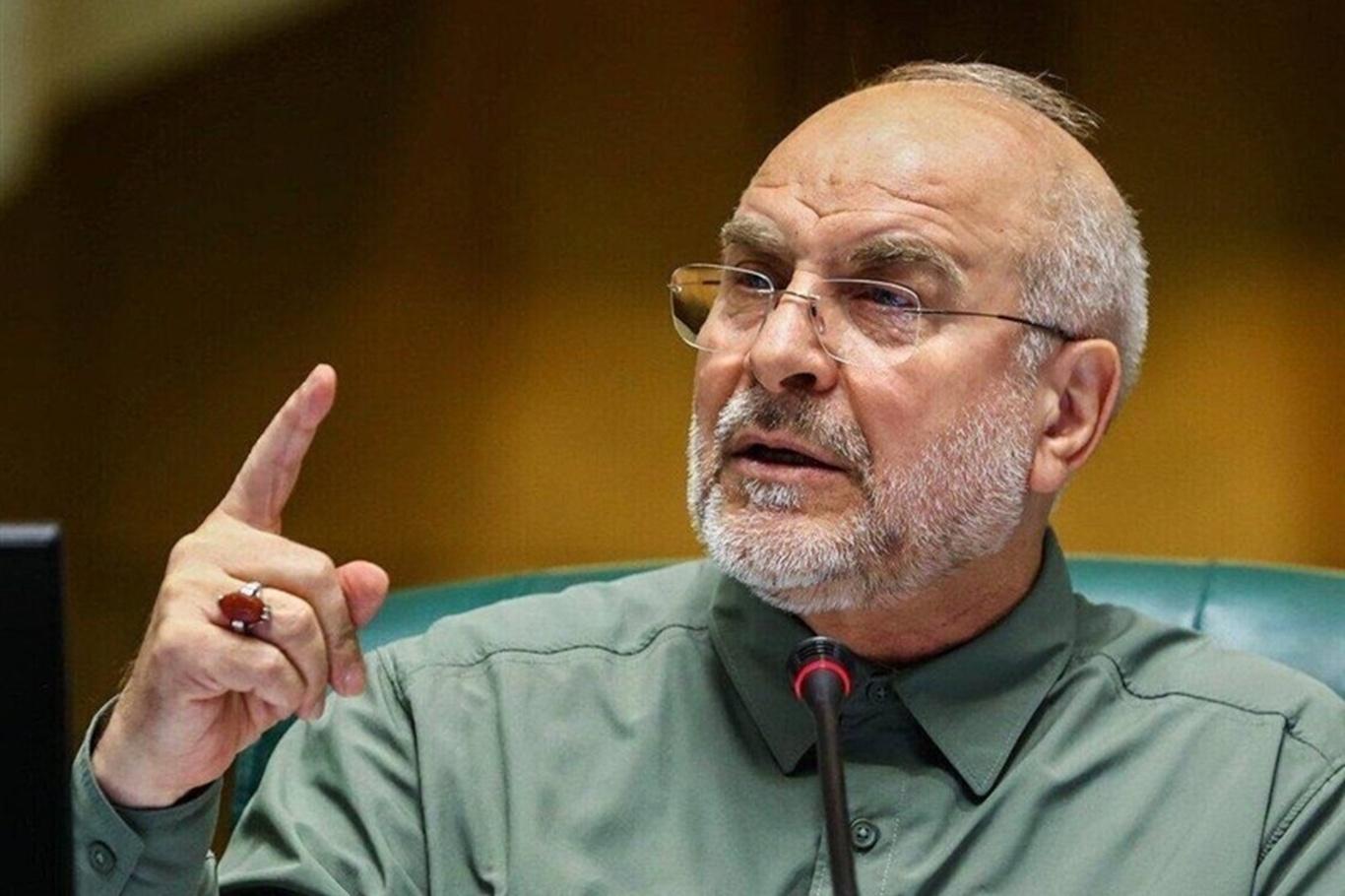
It adds that “Pakistan-led mediators are working to bridge significant gaps between the U.S. and Iran,” and quotes a regional official saying Iran “still insists on ending the U.S. blockade on its ports before launching a new round of talks with the Trump administration.”
Axios similarly says Pakistani mediators “have given the Iranian proposal to the White House,” and notes that “it is unclear whether the U.S. is willing to explore it.”
Politico also reports that Iranian officials questioned how they can trust the U.S. after “its forces started blockading Iranian ports,” and it ties this to prior attacks “during previous rounds of negotiations.”
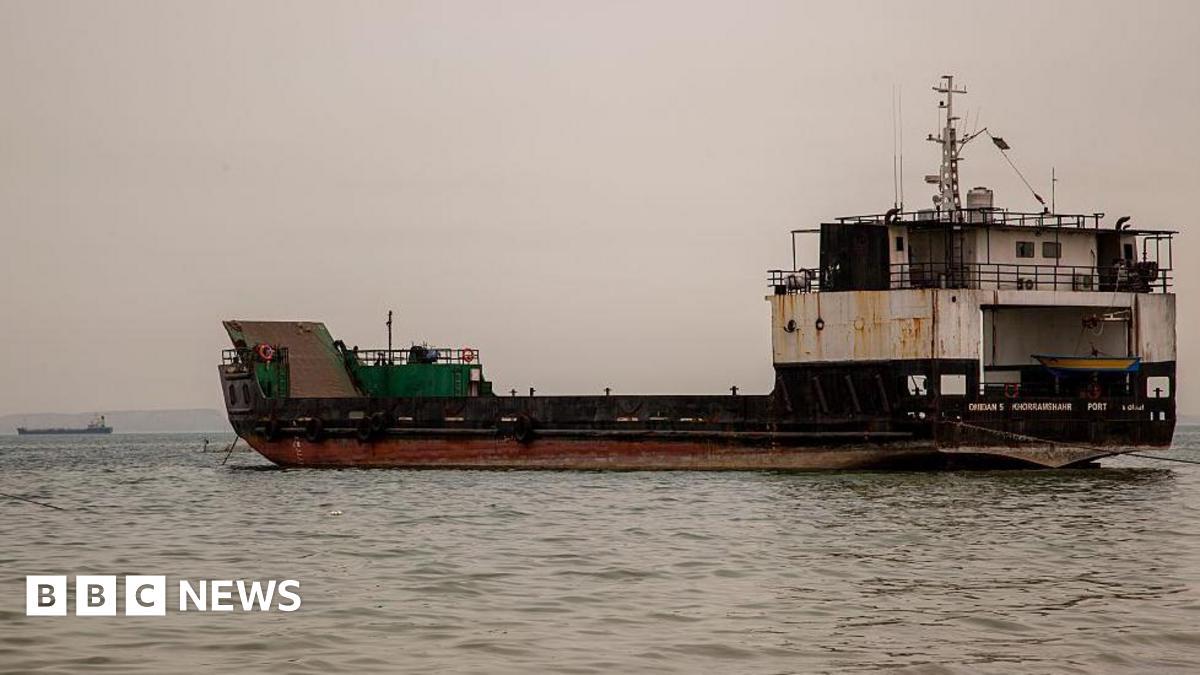
The Strait of Hormuz is central to the mediation effort, with Politico saying Iran wants to persuade Oman to support “a mechanism to collect tolls from vessels transiting through the strait,” and that the strait is “through which a fifth of the world’s oil flows in peacetime.”
Ceasefire, threats, and next steps
Even as diplomacy advances through proposals and mediation, the reports describe an environment of continued military threats and a ceasefire that is being tested by events around the Strait of Hormuz.
Politico says “Last week, Trump announced an indefinite extension of the ceasefire with Iran,” adding that “It has paused most fighting, but the economic fallout is growing two months into the war” as shipments are disrupted by the near-closure of the strait.
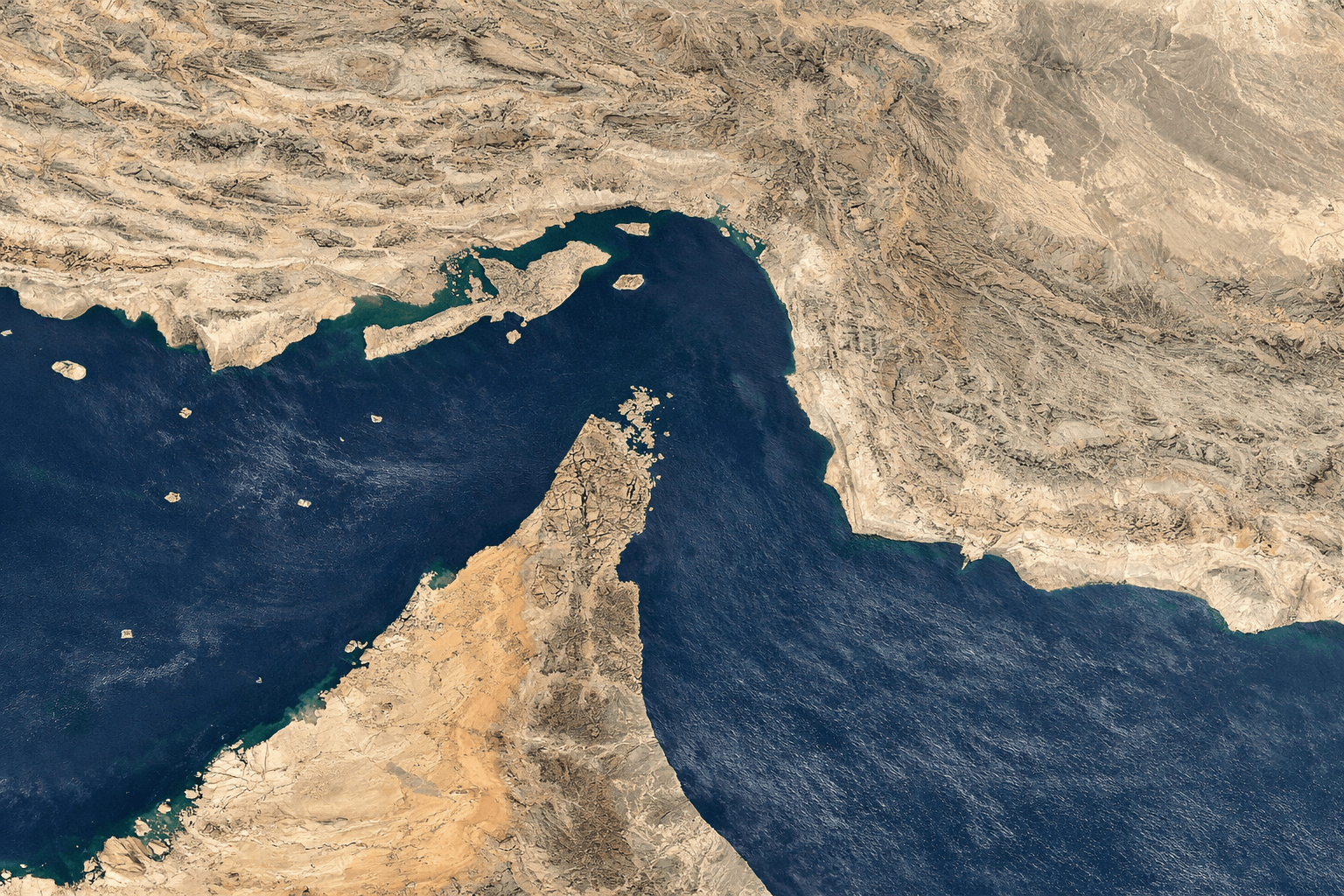
It also quotes Iran’s joint military command on Saturday warning that “if the U.S. continues its aggressive military actions, including naval blockades, banditry, and piracy” it will face a “strong response.”
Politico further states that “Iran attacked three ships last week,” while “the U.S. maintains a blockade on Iranian ports,” and it reports that Trump ordered the military to “shoot and kill” small boats that could be placing mines.
In parallel, Iran’s internal political messaging frames the ceasefire as a chance to rebuild, with Iran’s lawmaker Ebrahim Azizi telling state television that the pause offered “an opportunity to reload and strengthen the armed forces,” and saying: “My answer is that it was necessary to rebuild capabilities and improve our forces,” as reported by Iran International.
Looking ahead, the next steps in the reporting are tied to high-level meetings and travel: Axios says Trump is expected to hold on Monday a “situation room meeting on Iran with his top national security and foreign policy team,” and it says the meeting will discuss the stalemate and “potential options for the next steps in the war.”
More on Iran

Trump Cancels Witkoff and Kushner Trip as Iran-U.S. Peace Talks Stall
12 sources compared

Abbas Araghchi Leaves Islamabad for Moscow to Meet Vladimir Putin After Pakistan Talks
23 sources compared
Iran’s Foreign Minister Abbas Araghchi Heads to Moscow to Meet Vladimir Putin
12 sources compared

Iran and U.S. Enter Awkward Limbo After Trump Cancels Iran Peace Talks
18 sources compared