
Iran opens Strait of Hormuz for Japanese ships, restricts passage for attackers
Key Takeaways
- Iran: Strait of Hormuz open; ships of enemies blocked; Japan allowed passage.
- Passage decisions are case-by-case; access is selective and limited.
- Europe and Japan coordinate to safeguard Hormuz; multiple nations pledge support.
Iran's Selective Access Policy
Iranian Foreign Minister Abbas Araghchi has declared that the Strait of Hormuz remains open, but with selective access restrictions applied to vessels from countries that participated in the recent attacks against Iran.
“Araghchi says Iran in talks with Japan over Hormuz - Breaking The News Home Markets Economy Business Politics World War/Terrorism Technology Crypto Sports Insights [](https://breakingthenews”
Speaking to Japan's Kyodo News in a telephone interview, Araghchi emphasized that 'We have not closed the strait. It is open,' while clarifying that restrictions target only ships belonging to nations involved in the aggression against Iran.

This nuanced approach allows Iran to maintain regional influence while mitigating economic repercussions from a complete closure.
The Iranian government has positioned this policy as a legitimate security measure rather than an act of economic warfare, continuing to offer assistance to countries maintaining neutral or cooperative stances amid heightened regional tensions.
Japan's Energy Vulnerability
Japan's severe energy dependency has emerged as a critical factor in the diplomatic negotiations over the Strait of Hormuz.
The world's fifth-largest oil importer relies on the Middle East for approximately 90-95 percent of its crude oil supplies, with the vast majority of these shipments transiting through the strategically vital waterway.

This vulnerability has forced Tokyo to engage in direct diplomatic discussions with Tehran, despite Japan's alignment with the US-Israel coalition.
Iranian Foreign Minister Araghchi, a former ambassador to Japan, has held multiple phone conversations with Japanese counterpart Toshimitsu Motegi since the conflict began on February 28, discussing arrangements for safe passage of Japanese vessels.
Japan has responded by releasing 80 million barrels from its strategic oil reserves between March 16 and April 15 to mitigate price increases caused by the ongoing conflict.
International Traffic Patterns
The conflict has significantly disrupted maritime traffic through the Strait of Hormuz, with data from Lloyd's List Intelligence showing approximately 90 vessels transited the strait between March 1-15, representing a substantial decline from normal operations.
“Securing navigation in the Strait of Hormuz”
Despite the restrictions, several countries have successfully navigated the waterway through diplomatic coordination, with vessels from India, Pakistan, China, and Turkey reportedly receiving permission to pass.
The European Union has condemned attacks on commercial vessels and issued a joint statement with Japan expressing readiness to contribute to efforts ensuring safe passage through the strategic waterway.
Meanwhile, President Trump has publicly stated that the US does not 'need' the Strait of Hormuz while urging allies like Japan, Korea, and China to become more involved in securing the route, reflecting a strategic shift in Washington's approach to regional security.
Global Economic Impact
The geopolitical tensions have triggered significant economic repercussions across global energy markets.
Oil prices have surged dramatically, with reports indicating Murban crude skyrocketing by 18% in one day to reach $146/barrel, while Brent climbed to $112 and WTI to $98 as of March 21.
These price increases have forced multiple countries to release strategic petroleum reserves, with Japan joining other nations in tapping its reserves to mitigate economic impact.
The disruptions carry broader implications for global supply chains, as the Strait of Hormuz handles approximately one-fifth of the world's crude oil supply and critical liquefied natural gas exports from the Gulf.
Insurance premiums for vessels transiting the region have also escalated, with war risk insurance costs reflecting the heightened security environment and operational risks associated with navigating the conflict zone.
Diplomatic Stances
Iran has maintained its position that the ongoing war represents an 'illegal, unprovoked act of aggression' that was 'imposed on Iran' by the United States and Israel.
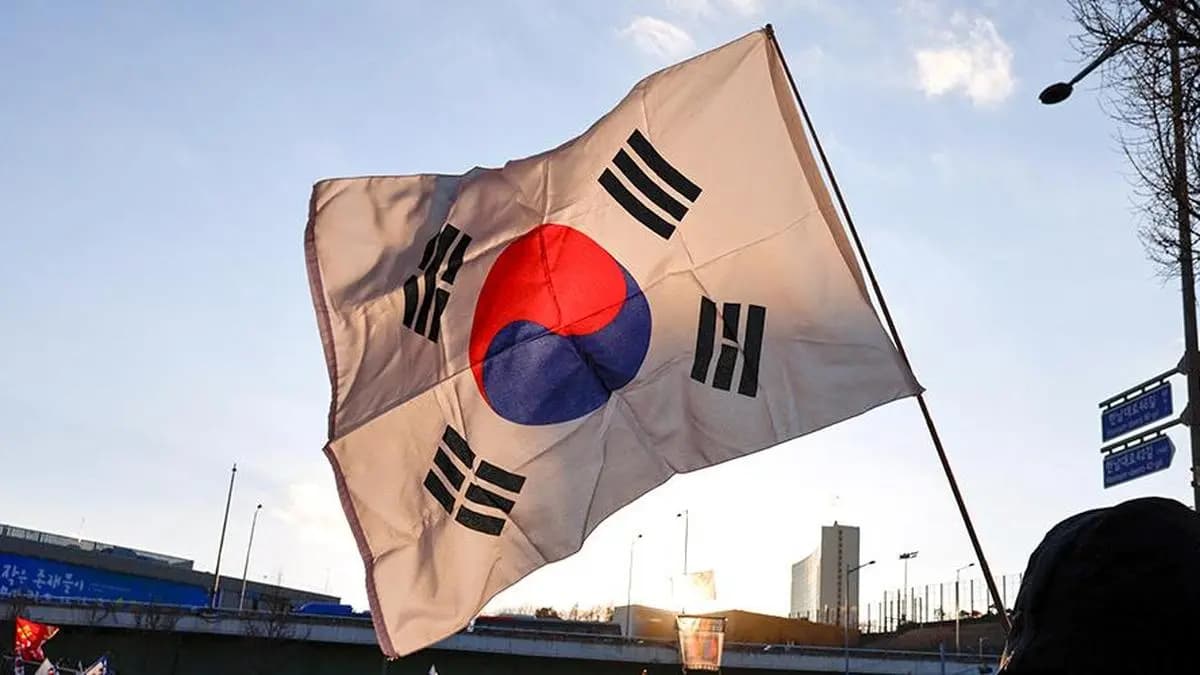
“South Korea is speaking to several countries including Iran to ensure that the key shipping route that passes through the Strait of Hormuz is normalised even as the West Asia Conflict is poised to enter its fourth week”
Foreign Minister Araghchi has consistently rejected calls for temporary ceasefires, insisting instead on 'a complete, comprehensive and lasting cessation of the war' that includes guarantees against future attacks and compensation for damages inflicted.

The Iranian government has expressed openness to international mediation efforts while criticizing the US for demonstrating insufficient readiness for a genuine resolution.
Meanwhile, diplomatic negotiations continue to evolve, with Japan pursuing a dual approach of direct engagement with Iran while coordinating with Western allies to maintain regional stability.
The situation remains fluid as all parties navigate the complex intersection of energy security, military strategy, and international law in one of the world's most strategically sensitive regions.
More on Iran

Iran Fires Missiles at U.S.-U.K. Diego Garcia Base; One Flies Short, Interception Unclear
25 sources compared
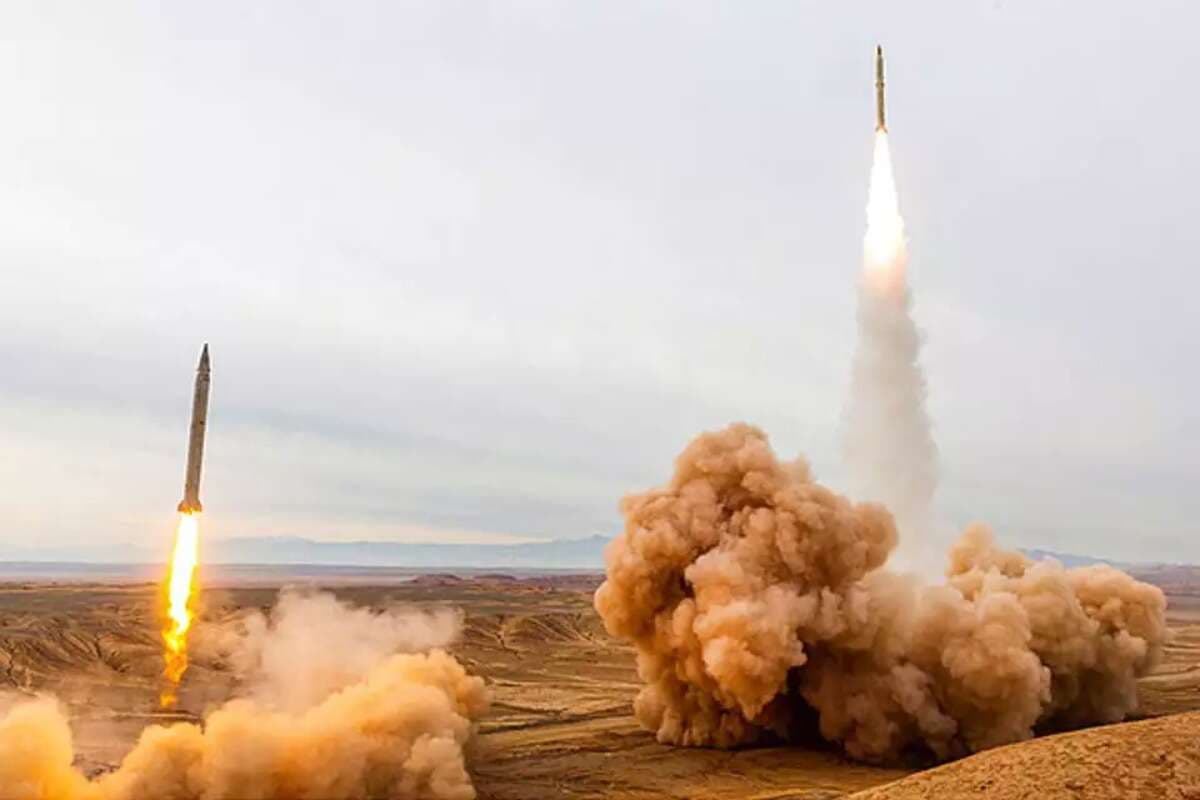
Iran Fires Ballistic Missiles at US-UK Base in Indian Ocean, Escalating Crisis
41 sources compared

U.S. Deploys 2,500 Marines, 3 Warships to the Middle East as Iran Escalates
13 sources compared

Iran Threatens Global Retaliation by Targeting Tourism Sites Worldwide
50 sources compared