Iran Parliament Panel Finalizes Plan To Secure Strait Of Hormuz, Ban Hostile Vessels
Key Takeaways
- Parliament panel finalizes 'Plan for Security and Development of the Persian Gulf and Hormuz'.
- Coordinated with Constitutional Council and Foreign Ministry; input from the General Staff.
- Plan uploaded to parliament for review; awaits reconvened legislature.
Hormuz plan finalized
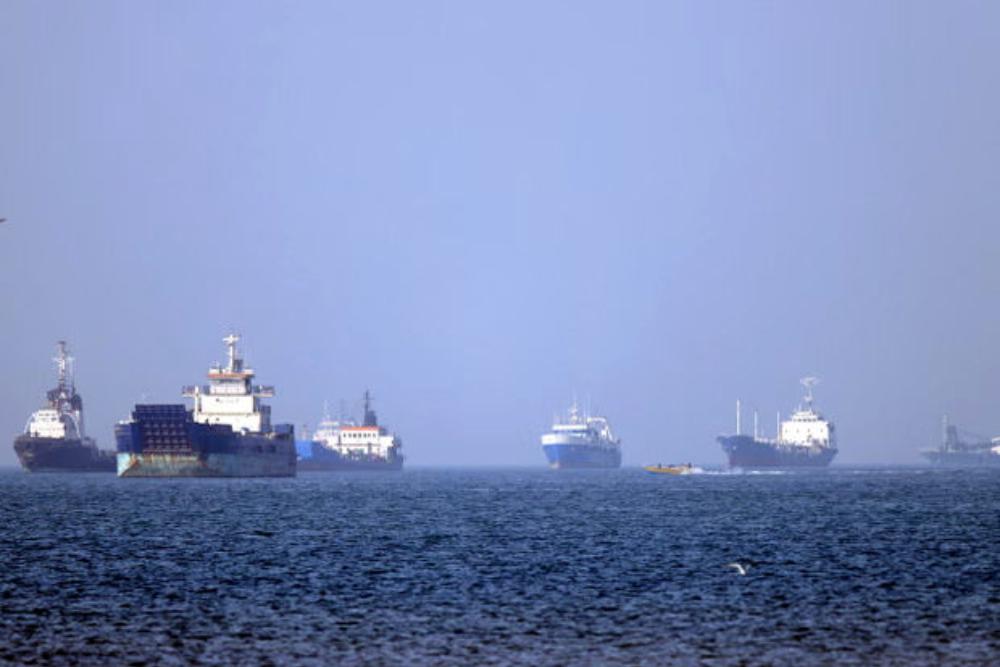
Iran’s National Security and Foreign Policy Commission has finalized a draft titled “Plan for the Security and Development of the Persian Gulf and the Strait of Hormuz,” which will be reviewed once the legislature reconvenes, according to Ebrahim Azizi, the chairman of the parliamentary commission.
The plan, as described in the commission statement, says the Strait of Hormuz “belongs to the Islamic Republic of Iran” and calls it “one of the world’s fourteen strategic chokepoints,” while also envisioning agreements with other countries regarding the strait.
The draft would ban the entry of vessels from hostile countries and any military vessels under any pretext, reflecting “unprecedented achievements for the Iranian nation” following the recent war.
Mehr News Agency also ties the proposal to the aftermath of a February 28 war, saying the United States and Israel launched an unprovoked war of aggression against Iran, assassinating Leader Ayatollah Seyyed Ali Khamenei, and that Iran responded with “100 waves of decisive retaliatory strikes under Operation True Promise 4.”
Threats and counterclaims
In an IRNA interview published May 11, 2026, Abbas Moghtadaei, deputy chairman of Iran’s Majlis National Security and Foreign Policy Committee, warned President Trump that Iran would not submit to “bullying and coercion,” adding that if the U.S. “wants to insist on its fantasies” it would “pay for this in the American cities.”
Moghtadaei said Iran has taken upon itself the administration of the Strait of Hormuz and the collection of tolls from vessels, describing it as compensation for losses and damage inflicted on regional countries by the U.S.-Israel aggression.

The same dispute over navigation and pressure is reflected in a separate Iranian statement carried by عين ليبيا, where a Khatam al-Anbiya Central Headquarters spokesperson said “enemy boats have no right to and will not pass through the Strait of Hormuz,” while other ships are allowed to pass under Iranian armed forces controls.
That spokesperson also accused the United States of imposing restrictions on maritime movement in international waters, calling it an “illegal action and maritime piracy,” and said Iran intends, after the war ends, to impose a permanent and decisive mechanism to control the Strait of Hormuz.
Negotiations and regional leverage
While Iran’s parliamentary commission moves to manage the Strait of Hormuz, US Vice President JD Vance told reporters at the White House on May 13 that Washington believes “progress” has been made in negotiations with Iran, though he said it is not yet clear whether it meets Donald Trump’s red line.
Vance said Trump’s “red line” is for the United States to ensure that “a number of protections” are in place to ensure Iran never obtains a nuclear weapon, and he described the talks as having ended without reaching a conclusion after Iran and the United States held their first direct talks in Islamabad following a two-week cease-fire on April 8.
In parallel, Iran’s military spokesperson Mohammad Akraminia said Tehran’s control over the Strait of Hormuz could generate “significant” economic revenue and strengthen Iran’s international position, telling ISNA that oversight of the strait could “potentially even doubling our oil income.”
Akraminia also said Iran has largely blocked shipping through the strait since the outbreak of war with the U.S. and Israel on Feb. 28, and that a fragile ceasefire has been in place since April 8 while the U.S. has imposed its own naval blockade on Iranian ports.
More on Iran
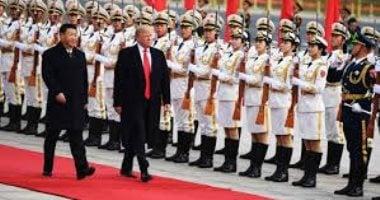
Trump Meets Xi in Beijing as Iran War Kills Eight in Israeli Strikes on Beirut
13 sources compared

Netanyahu’s Office Says He Secretly Met UAE President Sheikh Mohamed bin Zayed Al Nahyan
17 sources compared
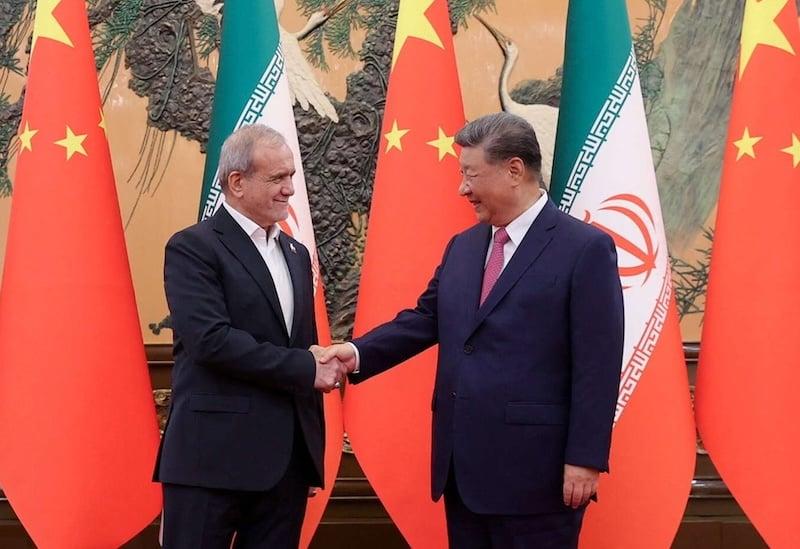
Donald Trump Arrives in Beijing for Talks With Xi as Iran War Looms
23 sources compared
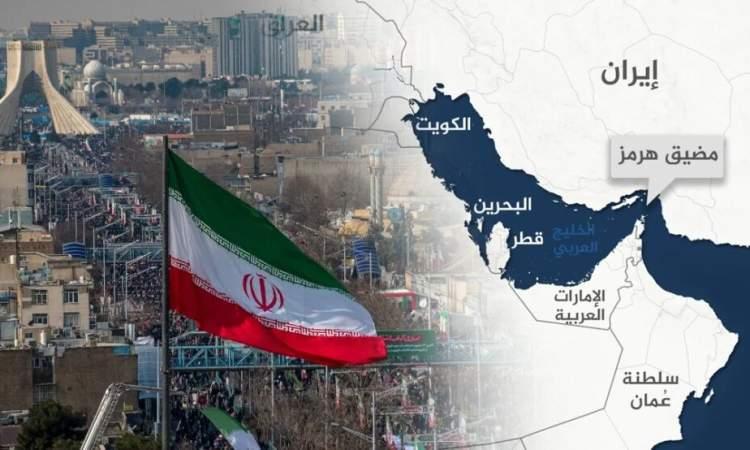
Iran And Oman Hold Legal Talks In Muscat On Strait Of Hormuz Safe Passage
11 sources compared