Iran Rejects US Ceasefire Talks as Hezbollah Vows to Keep Fighting
Key Takeaways
- Iran rejects US ceasefire talks; no negotiations have taken place.
- Iran vows to continue fighting; end the war on its own terms.
- Coverage frames the conflict as US-Israel war on Iran.
Iran Rejects Ceasefire
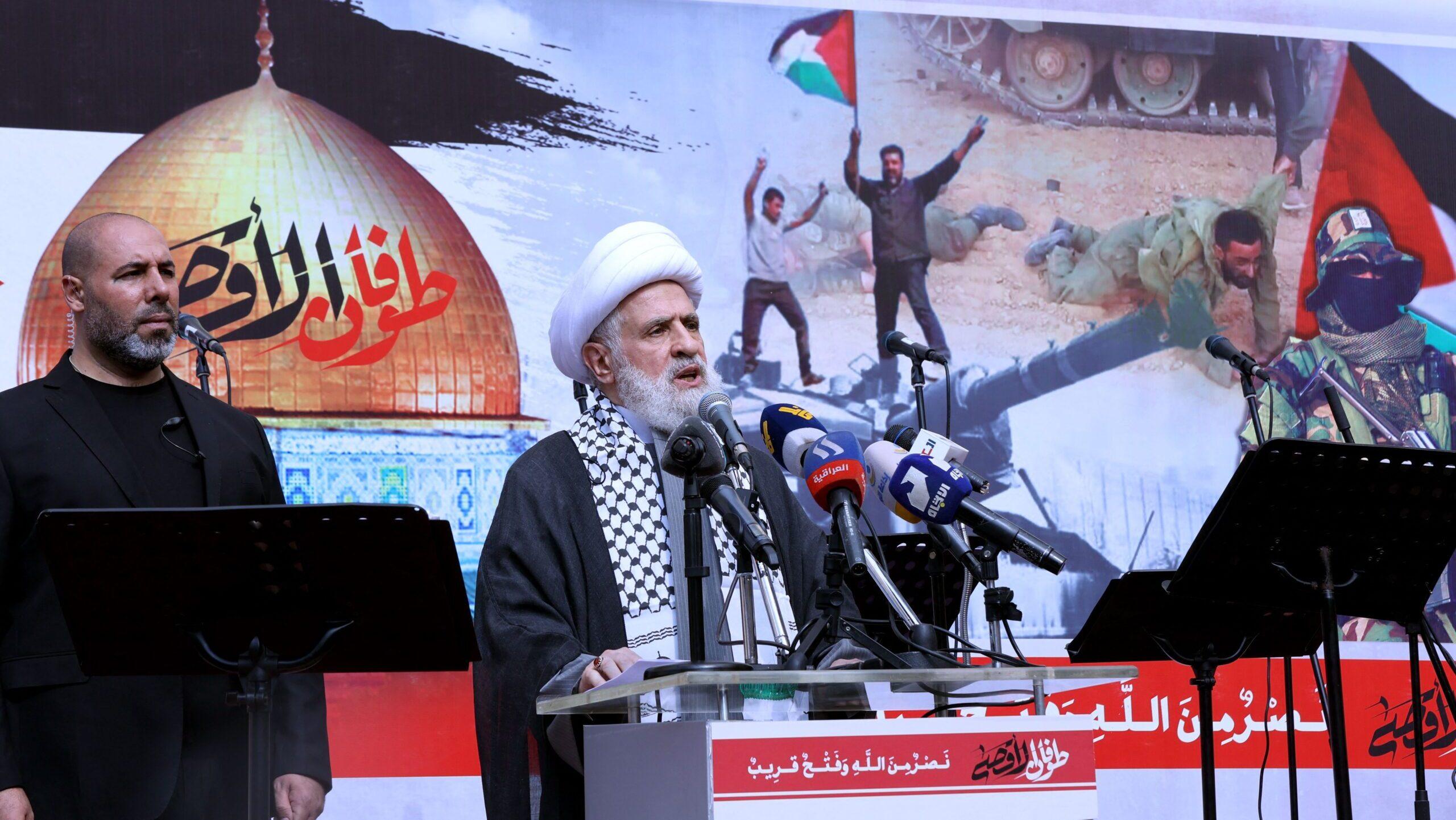
Iran has firmly rejected a US-backed 15-point ceasefire proposal, while Hezbollah's leader has vowed continued fighting 'without limits' as regional tensions persist.
“BREAKING US demands Iran accept defeat or be 'hit harder' than before'Iran rejects talks with US, vows to continue fightingNetanyahu says Israel is expanding a 'buffer zone' in south Lebanon Click to pause breaking news tickerpause-square-backgroundClose Breaking News Tickerclose Toggle Play Iranian foreign minister rejects talks with US “No negotiations have taken place”
Tehran officially informed Pakistan, which has been mediating between the sides, that it cannot accept the American proposal, according to a security-political source cited by the Hezbollah-affiliated Lebanese network Al-Mayadeen.

The rejection came as Hezbollah's leader called for ongoing military operations without any limitations.
This hardline stance reflects the continuation of strikes across the region despite international diplomatic efforts to broker a ceasefire.
The Iranian position directly contradicts US assertions about progress toward peace negotiations, with Tehran dismissing American claims as unfounded and misleading.
Deep Mistrust Pattern
The deep mistrust between Washington and Tehran is rooted in recent history where diplomatic breakthroughs have been followed immediately by military strikes.
Iranian officials have mocked US claims of productive negotiations, with one military spokesperson sarcastically noting that Americans had been 'negotiating with themselves.'
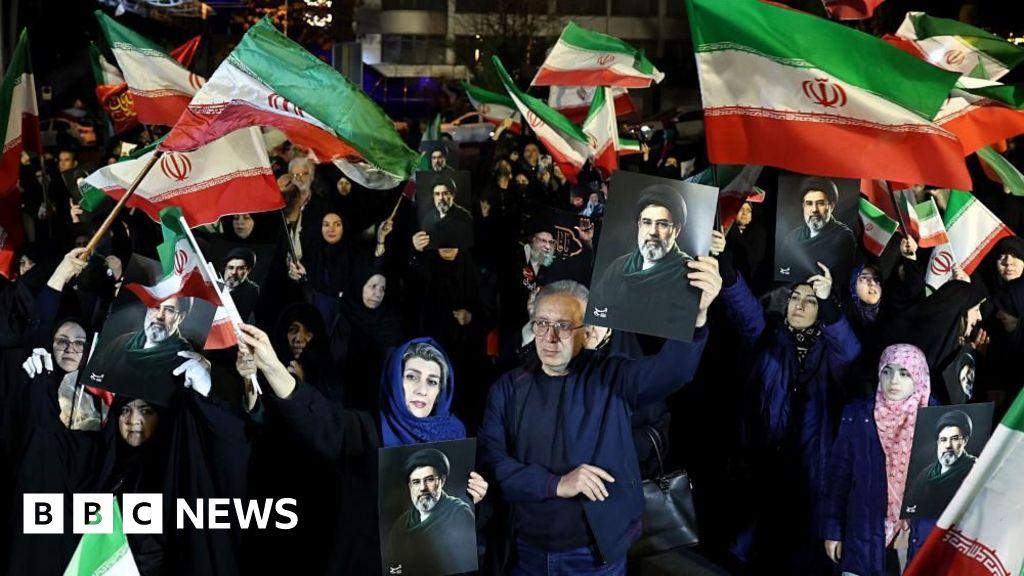
This pattern emerged when talks between the two sides twice raised hopes of easing tensions, particularly regarding Iran's nuclear program as addressed in their Omani-hosted discussions, only to be followed by Israeli and US military strikes on Iranian targets.
The head of Iran's Government Information Council dismissed Trump's 15-point proposal outright, declaring that 'Trump's words are lies and should not be paid attention to.'
This fundamental distrust has created an impasse where any American diplomatic initiative is viewed with immediate suspicion in Tehran.
Internal Political Dynamics
Iran's internal political dynamics are creating mixed signals about its true intentions regarding diplomacy.
“Iranian state media has released a video it says shows cruise missiles targeting the USS Abraham Lincoln aircraft carrier”
While Foreign Minister Abbas Araghchi initially stated that Iran was not seeking talks or a ceasefire and was ready to continue fighting, he later offered a more nuanced position.
Araghchi suggested that 'different ideas' had been passed to the country's senior leaders and that a final position would be determined.
He clarified that Iran's current policy is to continue 'defending' with 'no intention of negotiating for now,' indicating that the strong public rejection may be more about setting conditions rather than a complete rejection of diplomacy.
This complexity is exacerbated by Iran's internal political landscape, where President Masoud Pezeshkian, backed by more moderate groups, has taken a careful approach, while hardliners remain firmly opposed to any negotiations with the United States.
Military Reality Assessment
The ongoing military situation presents a complex challenge for Iran, as the current reality of persistent strikes and damage to key infrastructure is 'not sustainable,' according to analysts.
Despite the public rejection of US proposals, the practical realities of continued conflict may be forcing Tehran to reconsider its position.

The persistence of strikes across the region, coupled with the humanitarian and economic costs of ongoing warfare, suggests that while Iran maintains a hardline public stance, there may be underlying calculations about the long-term sustainability of the current conflict.
This situation is further complicated by regional developments, including Israeli Prime Minister Netanyahu's announcement that Israel is expanding a 'buffer zone' in south Lebanon.
These regional developments could escalate tensions and further complicate diplomatic efforts to de-escalate the conflict.
International Mediation
International mediation efforts continue despite Iranian rejection of direct US talks, with Egypt offering to host Iran de-escalation talks as a potential pathway forward.
“Iran Rejects US Ceasefire Proposal as Hezbollah Vows To Fight ‘Without Limits’ Iran has rejected a US-backed 15-point ceasefire proposal to end the war, while Hezbollah’s leader called for continued fighting “without limits,” as strikes persisted across the region”
The Egyptian initiative represents an alternative diplomatic channel that could bypass the deep mistrust between Washington and Tehran.
While Iran has rejected direct negotiations with the US, the possibility of indirect or multilateral diplomatic frameworks remains open.
These frameworks could address Iran's core security concerns and provide guarantees against military strikes.
The mixed signals from Iranian officials suggest that while the door to diplomacy may not be fully closed, any potential breakthrough would require significant concessions and security guarantees from the United States.
More on Iran

Pentagon orders 1,000 82nd Airborne troops to West Asia amid Kharg Island seizure talks
13 sources compared

U.S. Prepares to Deploy 1,000 82nd Airborne to West Asia to Seize Airfields
17 sources compared

Pentagon deploys 3,000 82nd Airborne troops to West Asia to backstop Iran war operations
14 sources compared

US, Israel escalate West Asia strikes as US demands Iran roll back nuclear program
12 sources compared