
Iran Rejects US Demand To Dismantle Nuclear Program, Demands Control Of Strait Of Hormuz
Key Takeaways
- Trump ties 15-point ceasefire plan to U.S. conditions
- Iran rejects the 15-point plan and proposes its own five demands
- Iran seeks control of the Strait of Hormuz as part of its demands
New Iran stance and terms
The single most important new development is Iran’s explicit rejection of the U.S. 15-point ceasefire plan and its simultaneous presentation of a five-point counterproposal that centers on control of the Strait of Hormuz, war reparations, and guarantees against renewed conflict.
“Oil prices have climbed higher amid fading hopes of deescalation in the Iran war following Tehran’s denial that talks with the United States are under way”
Iran’s stance is framed as a rejection of the American framework, with outlets describing the plan as 'excessive' and Tehran insisting 'No negotiations will be held prior to that' until its terms are met.
Iranian outlets emphasize a set of non-negotiable demands, including control over Hormuz, as a precondition for any ceasefire.
Pakistan is being positioned as the host for indirect talks, signaling a regional mediation track rather than a direct U.S.-Iran channel.
The development highlights a potential de-coupling of a quick Western-backed ceasefire from a longer, Hormuz-centered settlement.
15-point plan specifics
Breaking down the 15-point framework reveals a hard bargain: dismantling Iran’s three major nuclear sites, halting enrichment, suspending ballistic-missile work, and reopening the Strait of Hormuz.
The plan is described as including sanctions relief and broader security arrangements, with IAEA access as part of verification in some accounts.
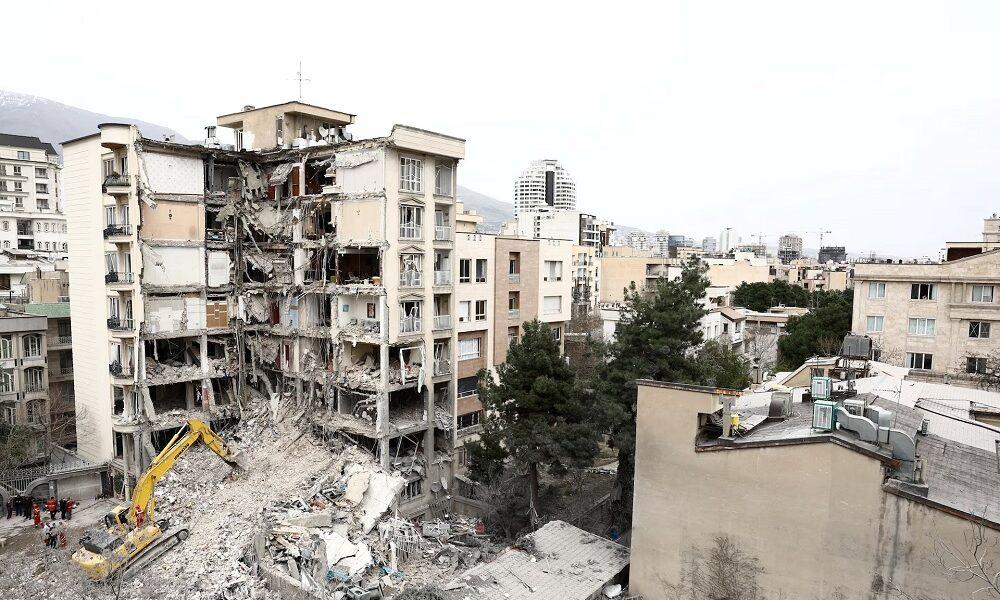
Outlets frame these elements as a package intended to normalize oil flows through Hormuz and reduce proxy activity, contingent on Tehran’s acceptance of a Western framework.
The framing in non-Western sources emphasizes that the core leverage remains Hormuz control, not merely a tactical pause in the fighting.
Even as these specifics circulate, Tehran’s reiteration of its non-negotiable terms implies any ceasefire will require explicit acceptance of Hormuz rights and regional guarantees by Washington and its allies.
Iran’s five-point demands
Iran’s five-point counterproposal foregrounds non-negotiable terms: an immediate halt to aggression and targeted killings, guarantees against renewed conflict, payment of war reparations, recognition of Iran’s sovereignty over the Strait of Hormuz, and a binding commitment that the Strait remains open on Tehran’s terms.
“Stocks rally and oil sinks after Trump hints at a possible end to war, even as Iran denies talks Stocks rally and oil sinks after Trump hints at a possible end to war, even as Iran denies talks NEW YORK (AP) — A cautious relief swept through financial markets Monday after President Donald Trump said the United States has talked with Iran about a possible end to their war”
The terms are explicitly described as including security guarantees and Hormuz control, with Iran tying the ceasefire to recognition of its strategic rights in West Asia.
Media in Tehran-linked outlets present the five points as a definitive counter framework rather than a concessionary opening.
Analysts view Hormuz sovereignty as the decisive issue that could determine whether a ceasefire is feasible or if fighting continues on the margins.
Taken together, Tehran’s five demands refract the conflict’s logic through a Hormuz-centric lens rather than a purely nuclear or proxy-based calculus.
Mediation dynamics and markets
With Pakistan positioned as mediator, the diplomatic track gained new prominence even as the military confrontation intensifies across West Asia.
Pakistan’s foreign minister described indirect talks as a pathway forward, a claim that aligns with long-standing mediation efforts noted by multiple outlets.

Telegraph India underscores Pakistan’s army chief as a pivotal interlocutor, signaling a deeper regional role in brokered discussions.
Al Jazeera reports market reactions—oil prices rising amid fading de-escalation hopes—as the diplomacy loop tightens and Tehran resists direct engagement.
Western outlets, including the Washington Post, continue to flag skepticism about whether public statements translate into durable diplomacy.
Hormuz as non-negotiable focus
Taken together, the evolving exchange posture makes the Strait of Hormuz the non-negotiable fulcrum of any ceasefire.
“White House: "Negotiations with Iran to continue"…Wall Street rises on hopes of an end to the war [Morning Briefing] Summary - The White House said it will continue negotiations with Iran but warned that Iran would face a greater blow if it does not acknowledge its military defeat”
Tehran’s actions—through attacks on energy facilities and the implied threat to Hormuz—have fed a broader energy-shock narrative that compounds the strategic stakes of the diplomacy.

Iran’s five-point demands and their Hormuz focus suggest that any ceasefire will hinge on legally binding guarantees about Hormuz operations and regional sovereignty.
The mediation channel, led by Pakistan, complicates the timeline and introduces regional leverage into the bargaining.
Market reactions reflect the high risk of prolonged disruption to West Asia’s energy flows, beyond the immediate political shifts.
More on Iran
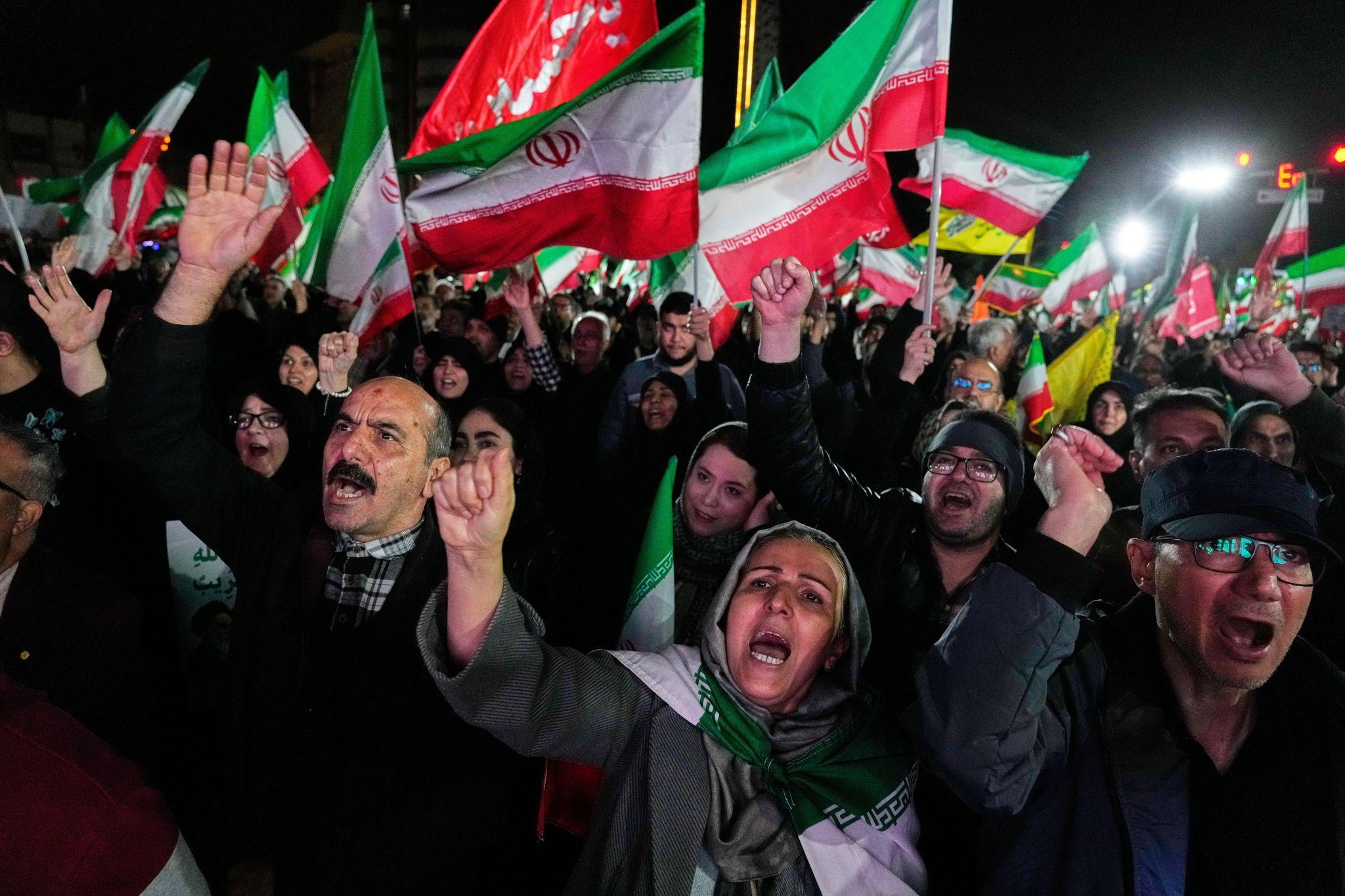
US Circulates 15-Point Plan Demanding Iran Curb Nuclear, Missile Programs to End War via Pakistan
16 sources compared

US and Israel Launched War; Americans Demand They Halt Escalation as Gas Fears Rise
15 sources compared

U.S. Demands Iran Dismantle Nuclear Program, Halt Enrichment, Cap Missiles, End Proxy Funding
16 sources compared
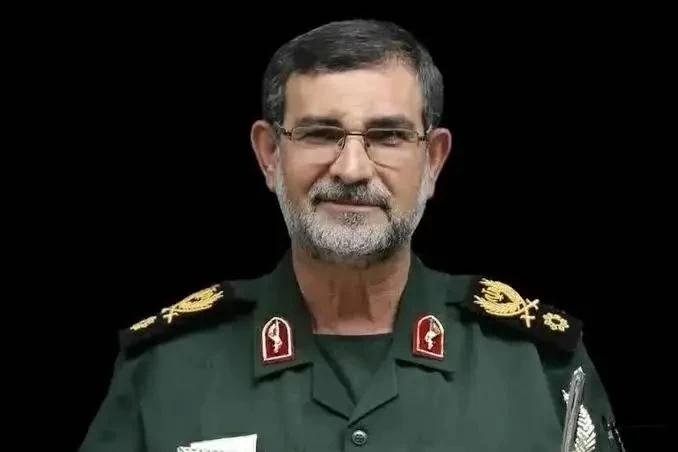
Israel Says It Killed IRGC Navy Commander Alireza Tangsiri In Bandar Abbas Strike
90 sources compared