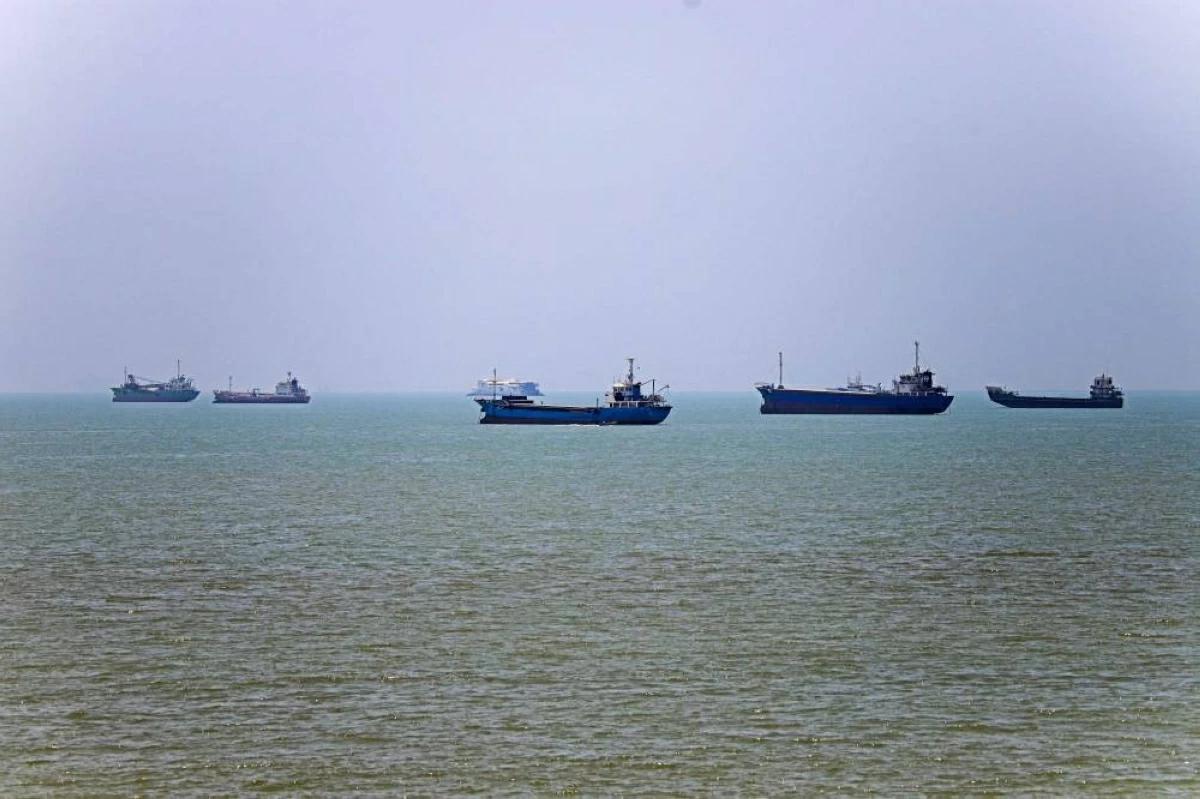
Iran Says Safe Passage Through Strait of Hormuz Requires Coordination With Tehran
Key Takeaways
- Safe passage through Hormuz requires coordination with Tehran; not guaranteed otherwise.
- Tehran rejects free, unconditional Hormuz navigation.
- Oman-Iran talks on Hormuz management indicate ongoing coordination shaping transit routes.
Hormuz authority asserted
Iran asserted on Friday that safe passage through the Strait of Hormuz can only be guaranteed for ships that coordinate with Tehran, warning that attempts to subvert Iran could lead to “the suspension of the designated parallel route.”
Iranian Deputy Foreign Minister Kazem Gharibabadi posted on X that “Safe passage through the Strait of Hormuz, with ambiguous arrangements, parallel routes, or decision-making outside of Iran’s considerations as the coastal state, cannot be guaranteed.”

The statement came after President Trump accused Iran of hitting a commercial vessel sailing close to the coast of Oman with a one-way attack drone, and the British military said the vessel was transiting through a United Nations-approved route.
The Hill reported that the statement tested the June 17 U.S.-Iran memorandum of understanding, which provided major relief by establishing a ceasefire and reopening the strait after it was effectively closed for more than three months.
The Hill also said the MOU focused on preventing Iran from imposing tolls or fees for safe passage for at least 60 days and gave Iran the right to “define the future administration and maritime services” of the strait in dialogue with Oman and Persian Gulf littoral states.
Drone dispute and routes
Trump accused Iran of violating the ceasefire after he said the country launched four attack drones at ships in the Strait of Hormuz, saying three were shot down and a fourth struck a cargo ship.
In a statement tied to the incident, Trump said, “One of the drones solidly hit the upper deck of a large and very expensive cargo-carrying ship. Damage was done, but the ship was able to proceed on its way,” while Fox 47 said the Thursday incident prompted the International Maritime Organization to pause a planned evacuation.

Fox 47 also reported that IMO Secretary-General Arsenio Dominguez said four vessels were able to pass through the northern corridor backed by Iran, while another 11 passed through the southern corridor where the U.S. and Oman continue to provide assistance.
Gharibabadi reiterated Iran’s position that safe passage cannot be guaranteed under arrangements not coordinated with Iran, telling reporters: “Any credible framework must be based on coordination with Iran and the provisions of paragraph five of the Islamabad Memorandum of Understanding.”
The Hill added that the MOU’s paragraph for immediate safe passage was designed to operate “as conducted to Iran’s best ability given the presence of mines in the waterway,” tying the dispute over routes to the agreement’s implementation.
What’s at stake next
The dispute over Hormuz passage remained unresolved after the memorandum of understanding reopened the strait, with Al Jazeera describing the question of whether Iran will seek greater control over vessel movements and whether it will impose transit or service fees after a 60-day negotiation process.
Al Jazeera said the MoU launched a 60-day negotiation process aimed at reaching a broader peace agreement, while also noting that the strait had been effectively closed for more than three months after Iran curtailed travel through the waterway.
The Hill reported that the agreement provided major relief to global economies by reopening the strait, a waterway responsible for about 20 percent of the world’s oil and gas, and said the International Maritime Organization paused an evacuation of 11,000 stranded seafarers.
Al Jazeera also reported that the IRGC warned commercial vessels to only use routes through the Strait of Hormuz approved by Tehran, reopening friction over whether Oman’s new shipping transit route was coordinated with Tehran.
In response to the U.S.-GCC call for “free, unconditional, and unrestricted navigation,” Iran’s Foreign Ministry said the strait’s shipping management would be governed by Article 5 of the memorandum of understanding, and Anadolu Ajansı said Gharibabadi warned that failing to meet Iran’s conditions would result in the suspension of any designated parallel route.
More on Iran

Aleksandar Vucic Says He Will Resign Within Weeks Amid Belgrade Protests
14 sources compared

U.S. Airstrikes Iran After Iranian Drones Attack M/T Kiku in Strait of Hormuz
12 sources compared
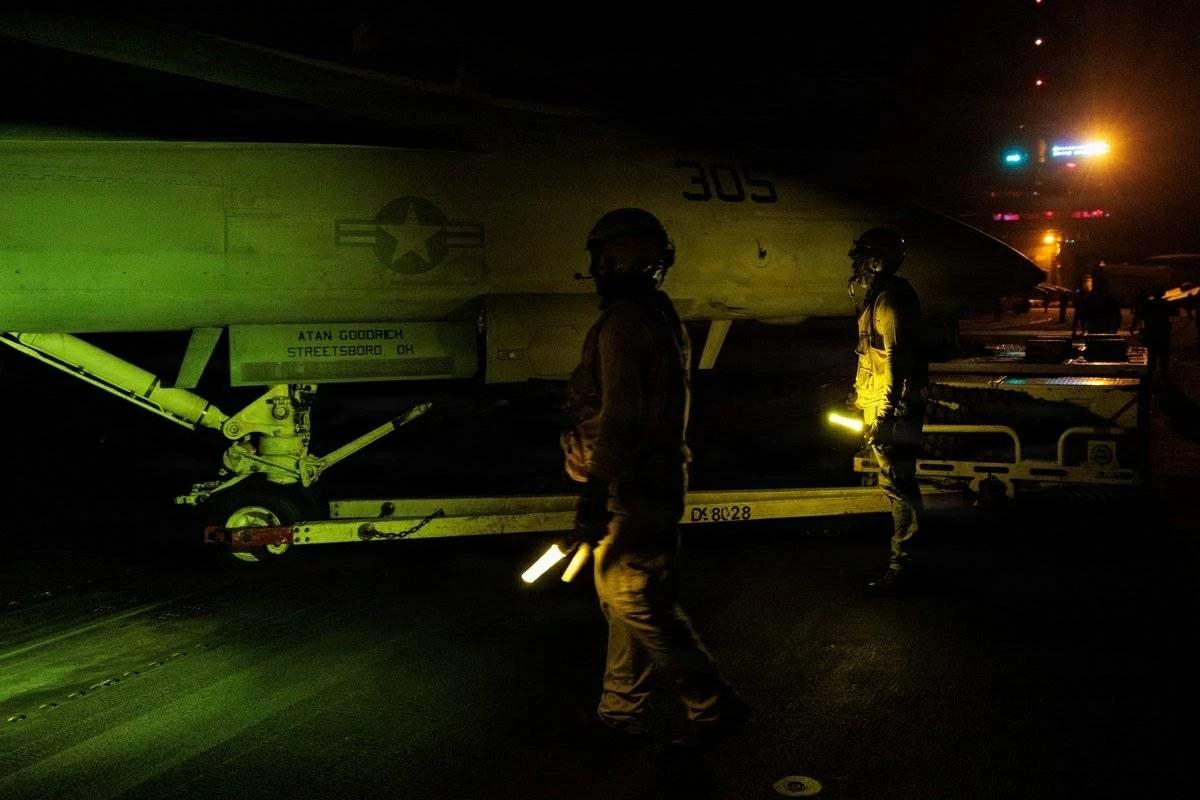
U.S. Strikes Iran Again After Iranian Drone Attack on Panama-Flagged Tanker in Strait of Hormuz
19 sources compared

U.S. Launches Strikes Against Iran After Drone Attack on Panama-Flagged Tanker M/T Kiku
14 sources compared