Iran Sends Experts to Doha, Rejects Negotiations With the United States
Key Takeaways
- Iran to send experts to Doha to implement MoU with US; no final agreement.
- Muscat hosts Joint Hormuz Committee meeting; Iran-Oman coordinate Hormuz traffic.
- Direct US-Iran communication line established over Hormuz to prevent escalation.
Doha talks denied
Iran said on Monday evening that a delegation of experts would travel to Doha "later this week" to discuss implementation of the Memorandum of Understanding signed with the United States earlier this month, but insisted the visit would not constitute negotiations with Washington.
A foreign ministry spokesperson said "we have not yet entered the stage of negotiating a final agreement" and added that "over the coming days, we will not have any negotiation meetings with the US side at any level."

The announcement came after multiple US media reported that US and Iran planned to renew talks in Qatar on Tuesday, and Iran rejected the claim with deputy foreign minister Kazem Gharibabadi saying reports "by some media outlets" on technical talks in Doha "are not confirmed."
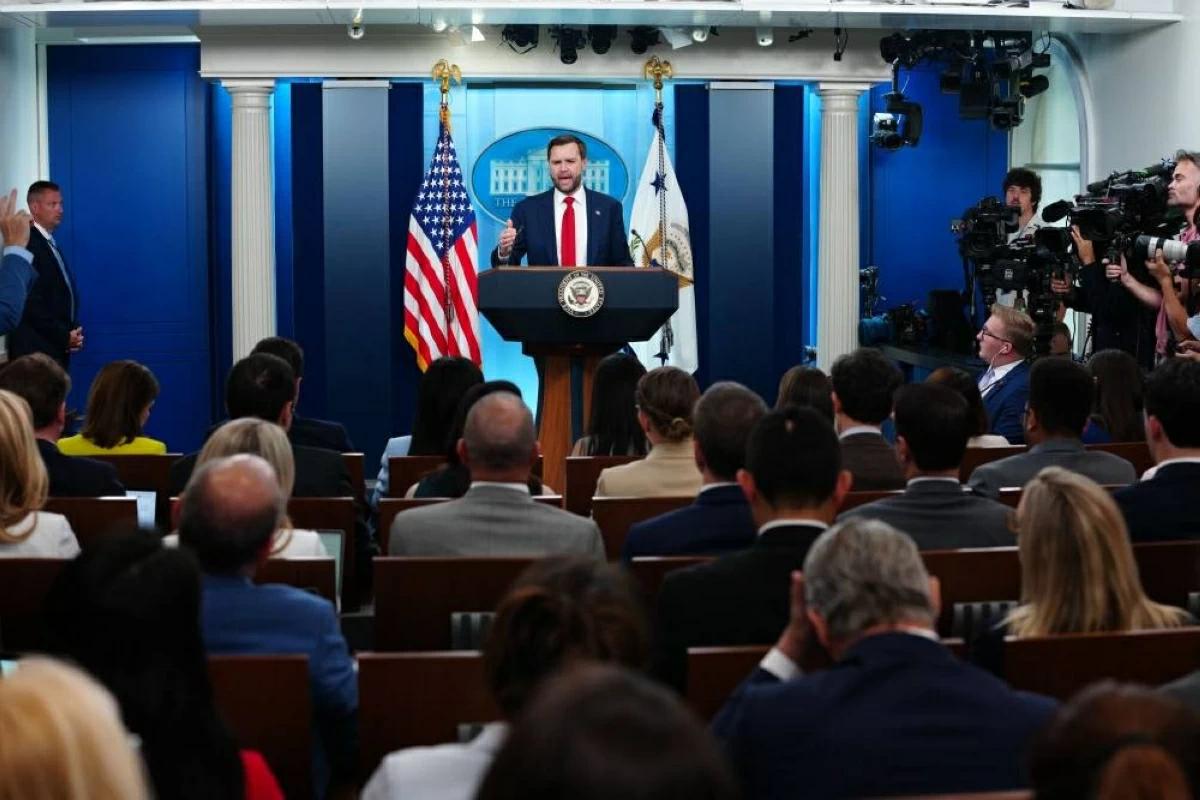
US President Donald Trump responded within hours on Truth Social, insisting that "Iran has requested a meeting" and that "it will take place tomorrow (Tuesday) in Doha" in all capital letters, while White House spokeswoman Karoline Leavitt said US envoy Steve Witkoff and senior adviser Jared Kushner would travel to Doha for "high-level meetings" this week.
The back-and-forth unfolded as the framework signed on 17 June gave both sides 60 days to negotiate a final deal covering Iran's nuclear programme, sanctions relief, and the long-term status of the Strait of Hormuz, after exchanges of strikes strained the arrangement.
Muscat committee meeting
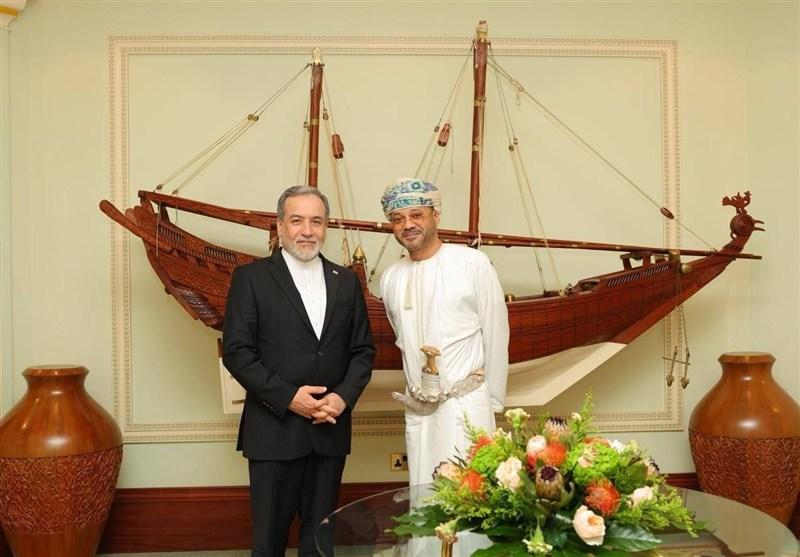
Iran said Monday it had held its first meeting with Oman on managing the Strait of Hormuz since it signed a framework deal with the US earlier this month, and Euronews reported the first Joint Hormuz Committee meeting took place in Muscat.
Deputy Foreign Minister Kazem Gharibabadi said on X, "During a trip to Muscat, the first meeting of the Joint Hormuz Committee was held," and added that while reviewing the current issues related to the strait, "we exchanged views on the future management."

Euronews also said the announcement followed multiple US media reports that Washington had agreed with Tehran to halt attacks and that the two sides planned to renew talks in Qatar on Tuesday, a claim Tehran shot down.
Trump then countered by saying the meeting would go ahead, contradicting Tehran's words, and Euronews quoted him on Truth Social stating that "it will take place tomorrow in Doha".
In parallel, PressTV reported Oman’s Foreign Minister Badr al-Busaidi expressed support for Iran’s plan to impose “maritime service fees” on vessels crossing the Strait of Hormuz while clarifying that Oman opposes any tolls on transit passage itself.
Fees, routes, and leverage
As the Strait of Hormuz remained a decisive leverage point, Euronews said Tehran insisted ships transiting the strait pass through a corridor near its own shores, while dozens of vessels travelled along the opposite side close to the Omani coast.
Euronews reported that on Saturday the US Navy's Joint Maritime Information Center announced a formal widened shipping route near the Omani coast, and it quoted Iranian Foreign Minister Abbas Araghchi warning that "Any attempt to adopt new or separate arrangements" would "increase the tensions" and complicate reopening.
Fortune described the renewed hostilities as Iran trying to scare away vessels not using the regime-approved route, and it quoted a Central Command statement that after US strikes in response to the Iranian attack on M/V Ever Lovely, Iran "elected not to" honor the ceasefire agreement when its forces launched a one-way attack drone that hit M/T Kiku at 4:30 a.m. ET.
Fortune also said the U.S. expanded an alternate path along Oman’s coast to accommodate inbound and outbound traffic, while the Institute for the Study of War said Iran was attempting to prevent vessels from using non-Iranian shipping channels with force in the immediate term as it continued negotiations with Gulf Arab states.
In Baghdad, The Guardian reported Abbas Araghchi said: "Any attempt to adopt new or separate arrangements from those currently being pursued" would lead to "further complications, delays in reopening the strait of Hormuz and an increase in tensions," as the dispute over routes and governance threatened to overshadow a long-term solution for the strait’s management.
More on Iran

U.S. And Iran Agree To Stop Strikes, Hold Strait Of Hormuz Talks In Doha
19 sources compared
Trump, Iran Pause Strikes as Delegations Head to Qatar for Talks
11 sources compared
Trump Announces U.S.-Iran Doha Meeting After Days of Hostilities Threatened MoU Talks
24 sources compared
.jpg&w=3840&q=75)
Donald Trump Says U.S. and Iran Will Meet in Doha Tuesday After Days of Strikes
33 sources compared