Iran Strikes Port of Salalah Oil Storage With Drones; Reports Conflict On Casualties
Key Takeaways
- Drones struck fuel and oil storage tanks at Salalah Port, igniting fires and causing damage
- Omani authorities intercepted several drones while others evaded defenses and hit the storage facility
- Multiple outlets attributed the attack to Iran, suggesting expansion of the regional conflict
Attack description
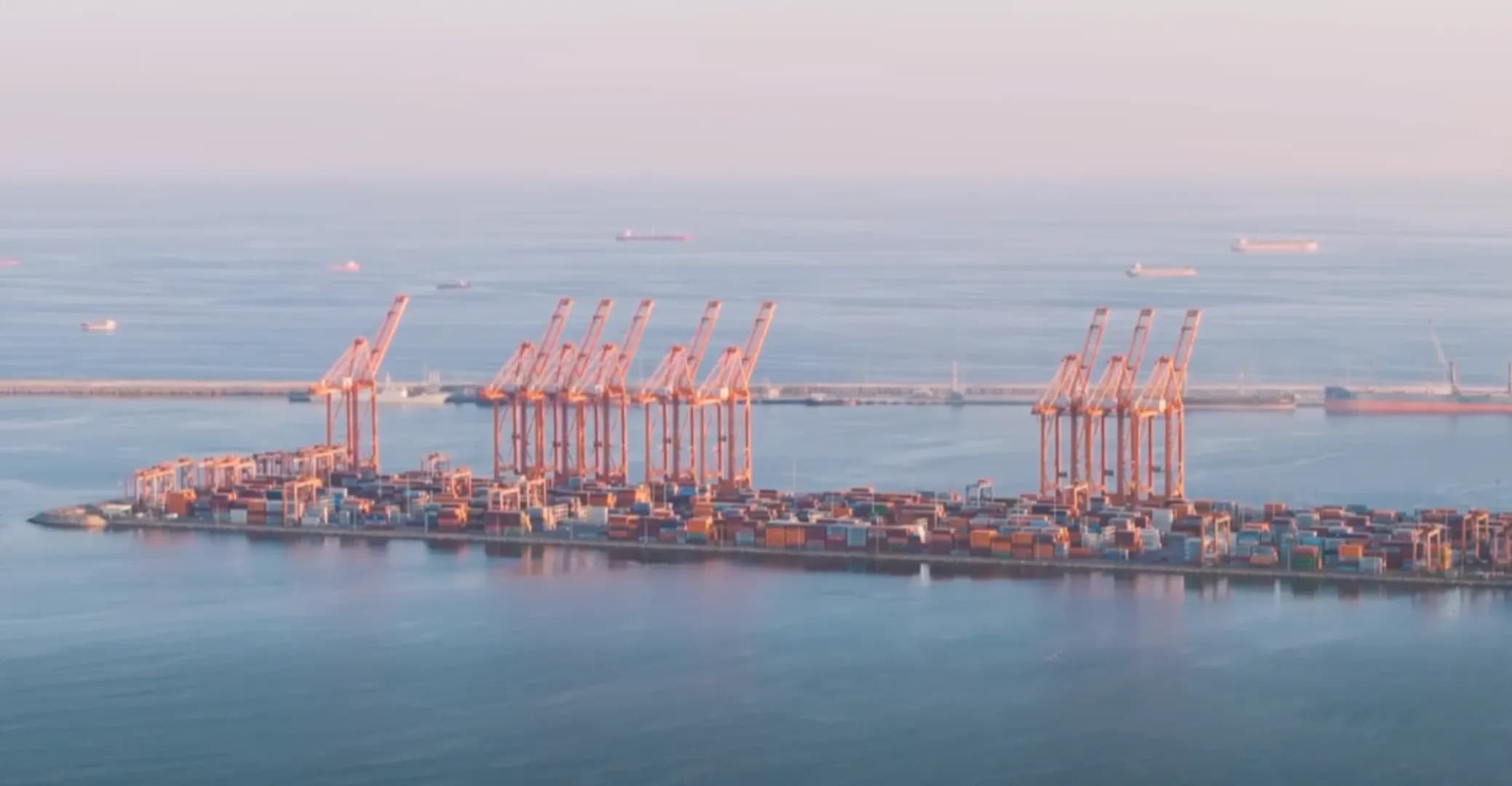
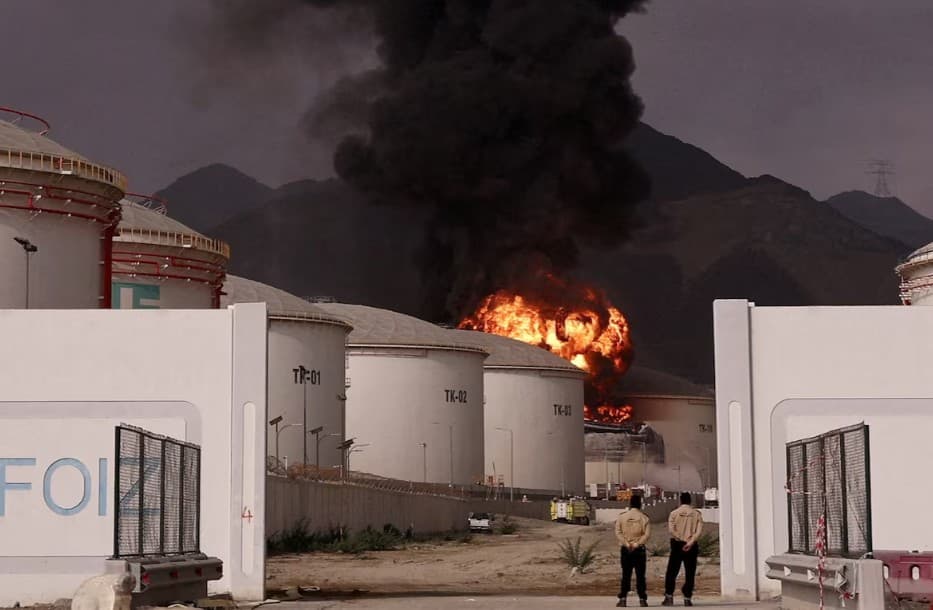
Iranian drones struck oil storage facilities at Oman’s Port of Salalah on March 11, 2026, setting ablaze multiple fuel tanks and sending thick plumes of smoke into the sky, in what sources describe as a dramatic escalation of the 2026 Iran war.
“ALBAWABA- Oman’s largest transshipment hub, the Port of Salalah, came under a drone attack allegedly attributed to Iran on Wednesday, raising concerns about the growing threat to Gulf maritime infrastructure”
British maritime security firm Ambrey and Omani state media reported that several drones reached the port’s fuel storage area, with eyewitness footage showing explosions and fires at the MINA Petroleum Facility; civil defence teams moved to contain the blazes after at least one drone evaded interception.

The strike occurred around midday local time and is being reported alongside other coordinated Iranian actions across the Gulf on the same day.
Casualties and damage
Omani and independent reports indicate the blazes were largely contained and that there were no reported fatalities, though damage to storage infrastructure and temporary suspension of operations were confirmed.
Oman’s state news agency and officials told media the fires were quickly contained and that no casualties were reported, while maritime security firms and port operators said operations were paused and terminals were affected.

At the same time, eyewitness video and open-source posts showed thick smoke and damaged tank components, leaving some uncertainty about the full scale of infrastructure damage and the time required for full recovery.
Wider campaign context
Analysts and regional sources place the Salalah strike within a broader Iranian campaign targeting Gulf energy and logistical hubs in retaliation for U.S. and Israeli military operations.
“The strike raises fresh concerns that Iran is expanding the conflict beyond the Gulf chokepoint and into alternative export routes used by oil producers and shipping companies”
Multiple outlets note the strikes on Salalah follow earlier Iranian attacks that impacted ports such as Duqm and incidents targeting Fujairah, Bahrain’s Bapco Energies refinery and threats around Ras Laffan; several sources point to the wave of attacks beginning in late February or on March 1 as part of Tehran’s response to the US-Israel strikes.
UKMTO and maritime trackers also document numerous attacks on vessels across the Persian Gulf, Strait of Hormuz and Gulf of Oman since hostilities began, underscoring the wider pattern of escalation.
Impact on shipping
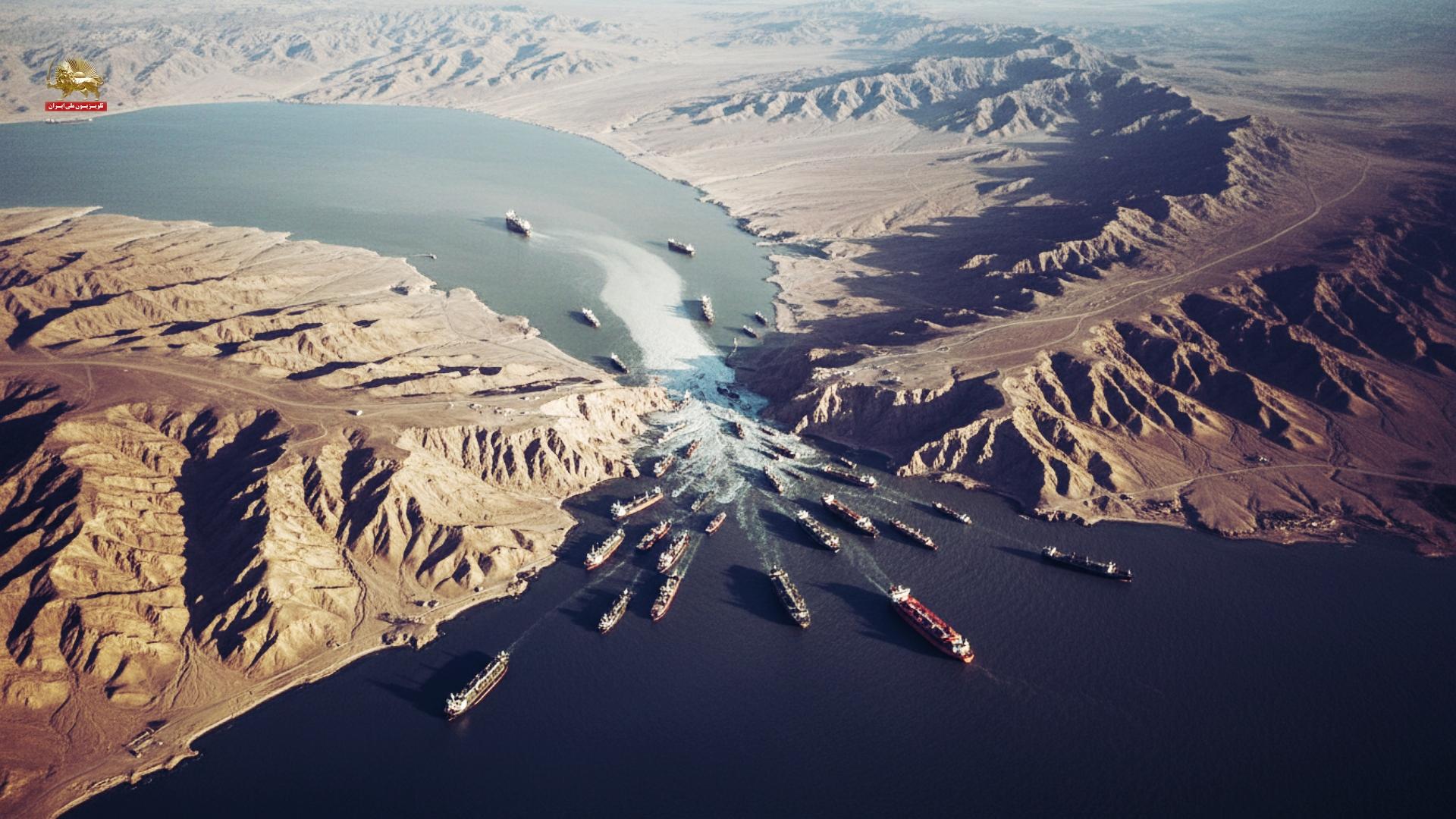
The strike prompted immediate operational disruptions and raised alarms about regional shipping security and global energy supplies, with port operators and carriers pausing activity.
Maersk announced all operations at Salalah were paused, and maritime-security firms said merchant vessels in the area were not damaged but terminals and transshipment activity were affected; analysts warned that attacks now hitting ports, storage and commercial shipping risk deeper disruptions to the Middle East energy network and global oil flows.
Ship-tracking data and industry commentary noted that the conflict’s spillover to ports complicates efforts to reroute shipments around the Strait of Hormuz and increases insurance and logistical costs.
Official responses
Regional governments and Tehran have offered contrasting responses: Oman condemned the strike and pledged to safeguard assets and shipping, while Iranian officials denied targeting civilian infrastructure and framed their campaign as a response to threats from U.S.-aligned military and logistical sites.
“Iranian Drone Strike Targets Oman’s Largest Oil Storage Facility By Muflih Hidayat on March 12, 2026”
Oman’s state media and the sultan’s office expressed dissatisfaction and condemnation, and Iran’s leadership said the incident would be investigated after a phone call between Iran’s President Masoud Pezeshkian and Oman's sultan.

Gulf states have also publicly denounced the attacks and reported stepped-up air defences and interceptions elsewhere in the region as the crisis continues to unfold.
More on Iran
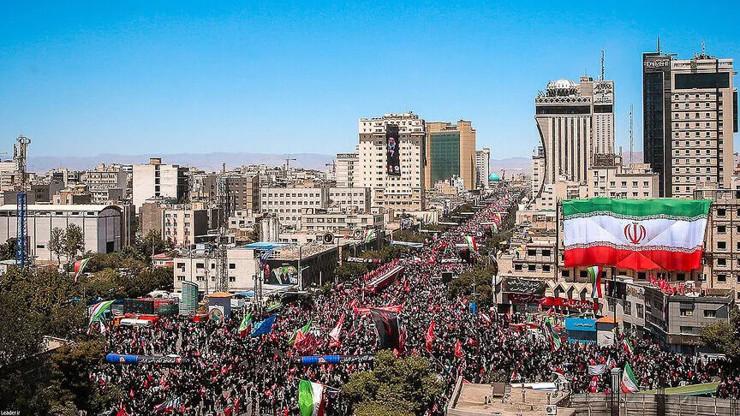
Israeli Strike Kills Ayatollah Ali Khamenei, Buried at Imam Reza Shrine in Mashhad
19 sources compared
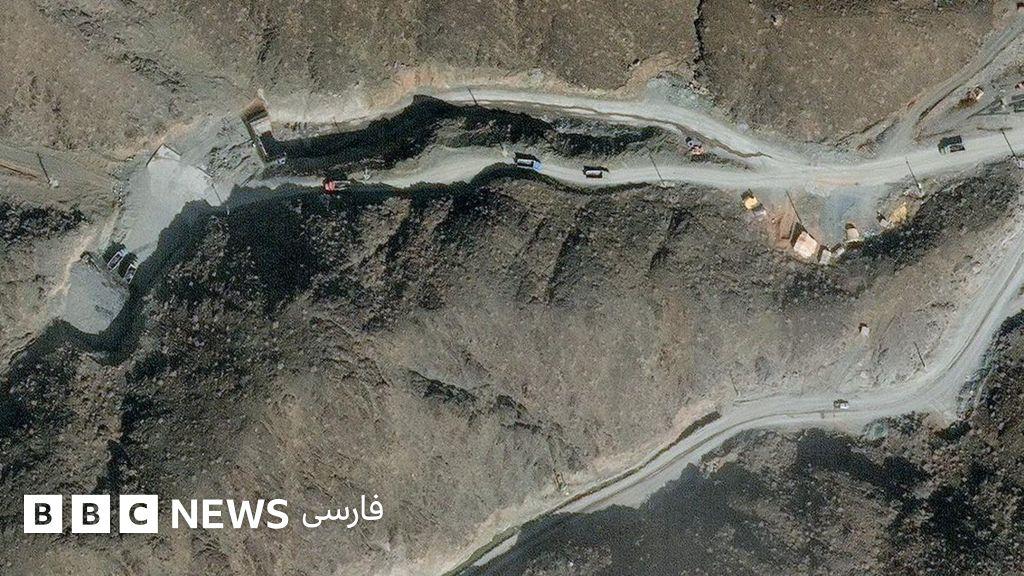
Iran Attempts To Restore Nuclear Sites Damaged In US And Israel Strikes, CNN Satellite Images Show
15 sources compared
Abbas Araghchi and Prince Faisal Bin Farhan Discuss Regional Developments After US Attacks
11 sources compared

Trump Says U.S. Agreed to Continue Iran Talks, Ceasefire Is Over
19 sources compared