Iran Strikes Prince Sultan Air Base With Missiles, 29 Drones; Refueling Plane Destroyed, 10–15 Wounded
Key Takeaways
- Iranian missiles and drones hit Prince Sultan Air Base in Saudi Arabia.
- Wounded U.S. service members reported; figures range from 10 to 15.
- The base is shared by U.S. and Saudi forces.
New escalation at Prince Sultan base
Iran’s large-scale assault on Prince Sultan Air Base in Saudi Arabia marks the single most important new development in the Iran war, shifting the conflict from regional retaliations to a direct strike on a U.S. footprint in West Asia.
“Multiple American service members were wounded and some aircraft were damaged in a March 27 Iranian attack on Prince Sultan Air Base, Saudi Arabia, people familiar with the matter told Air & Space Forces Magazine”
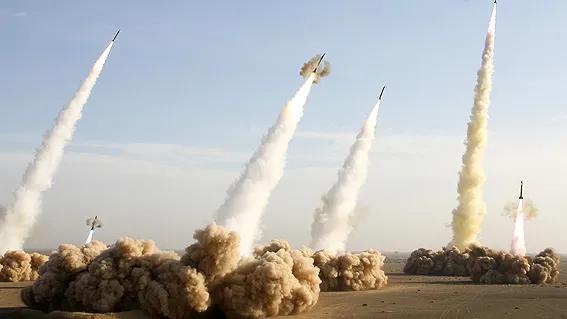
The attack involved a coordinated salvo of missiles and drones: at least six ballistic missiles and 29 drones, according to AP and Al Jazeera reporting.
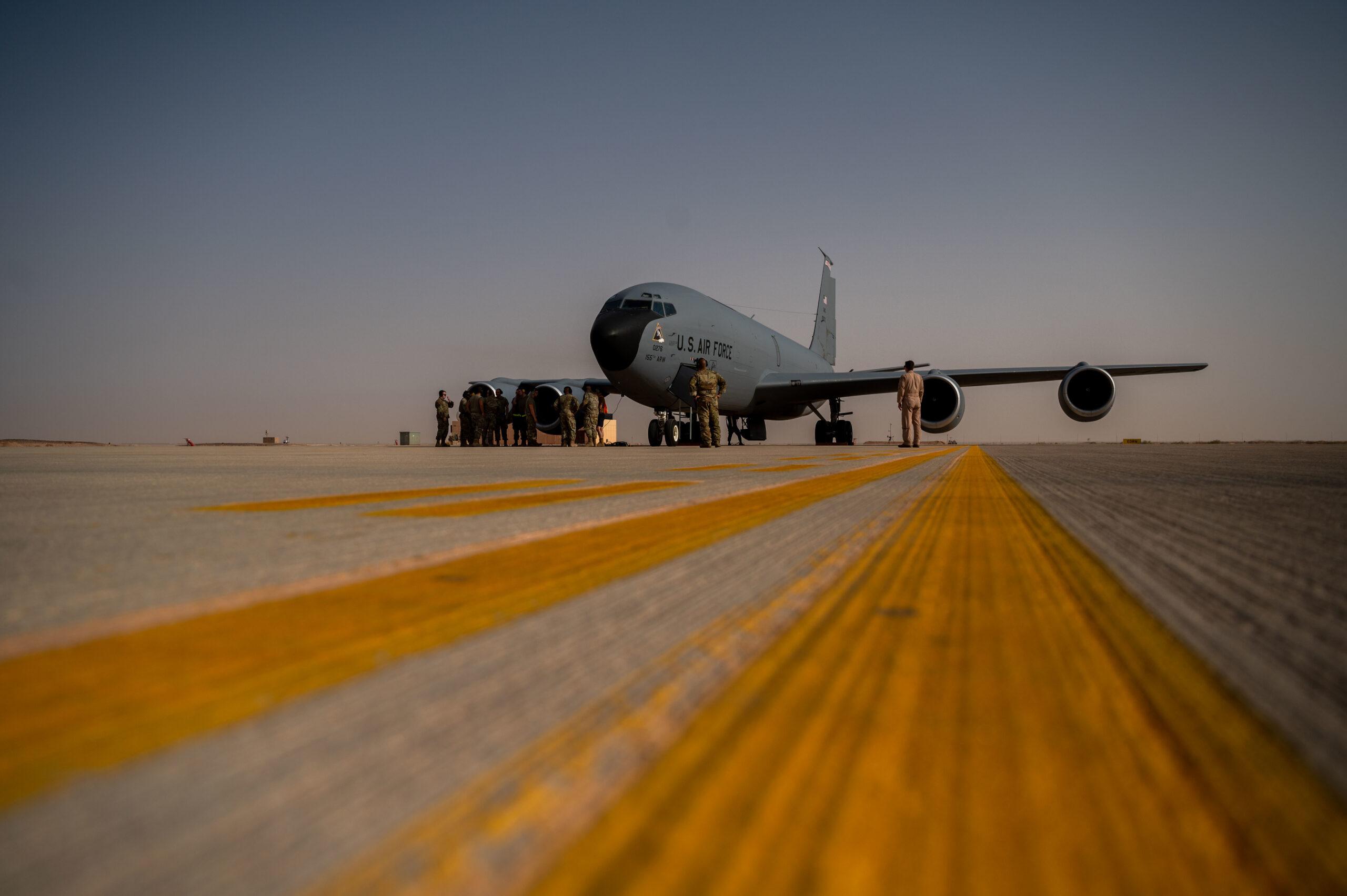
Iran’s central military headquarters also claimed that one refueling aircraft was completely destroyed, with three others damaged and taken out of service, signaling a material impact on U.S. air operations in the region.
Casualty figures remained unsettled in the immediate aftermath, with outlets reporting a range from 10 to 15 U.S. service members wounded, including several in serious condition.
Conflicting casualty tallies emerge
The Times of Israel cites 12 wounded, with two in serious condition, while The Washington Post and AP News both note 10 U.S. service members wounded, with two seriously injured, and other outlets push counts higher, up to 15.
Satellite imagery and initial footage circulated showing damaged refueling aircraft and other aircraft at Prince Sultan, alongside statements that one U.S. aircraft was destroyed or severely damaged.

The divergence in numbers highlights how fast-moving, multi-source narratives can produce conflicting tallies in the first hours after a major attack.
Regional escalation and cross-front risk
Iran’s attack coincides with a wider regional pattern of retaliation against Gulf states that host U.S. forces, while the war’s ripple effects have included Iran-backed proxies and allied actors widening the theater.
“Iranian attack on Saudi base wounds at least 10 US troops and damages several planes WASHINGTON (AP) — An Iranian missile attack Friday wounded at least 10 U”
Houthis in Yemen have claimed ballistic strikes against Israel, and missiles were reportedly intercepted near Tel Aviv, illustrating a broader cross-regional escalation.
Israel and regional allies face a more complex threat environment as Iran’s campaign appears to extend beyond direct U.S.-Saudi targets.
U.S. military reinforcement and stakes
The Pentagon has signaled readiness to bolster regional presence with additional units, including a plan to deploy roughly 1,000 troops from the 82nd Airborne Division to the Middle East.
Marines and sailors from the 31st MEU and Boxer ARG are being moved toward the region to support air and sea operations.

Officials warn that the conflict risks broader blows to global trade through Hormuz and fertilizer supply chains, complicating diplomacy and domestic politics in allied countries.
Ceasefire plans and Hormuz diplomacy
The Trump administration floated a 15-point ceasefire plan via Pakistan as an intermediary, signaling a push for de-escalation though remaining details are not fully disclosed.
“What you need to know - Houthis claim missile strike on Israel launched from Yemen, the first since the war started - Ukrainian President Volodymyr Zelenskyy has visited the UAE to discuss defense cooperation - Iranian strike on US base in Saudi Arabia leaves 12 American soldiers injured - President Donald Trump says US doesn't 'have to be there' for NATO - Trump envoy says Iran may hold talks with Washington this week to end war Here are the developments in the US-Israel war with Iran on Saturday, March 28, 2026: Indonesia says Hormuz talks with Iran 'positive,' Thailand reaches deal Indonesia said it has been in talks with Iran to secure safe passage for its tankers through the Strait of Hormuz”
Iran has signaled it would facilitate humanitarian aid and agricultural shipments through the Strait of Hormuz, a move its officials call humanitarian but which critics see as leverage in a broader bargaining context.
Analysts warn that without a credible de-escalation pathway, the Prince Sultan strike risks deepening a direct confrontation rather than resolving core regional tensions.
More on Iran
Iran Claims To Have Destroyed Multiple KC-135 Tankers At Prince Sultan Air Base
16 sources compared

U.S. Fires Over 850 Tomahawk Missiles at Iran in Four Weeks, Pentagon Alarmed
11 sources compared
President Trump Extends 10-Day Pause On Iran Energy Strikes To April 6, Sends 15-Point Plan
21 sources compared
Sen. Marco Rubio Pushes 15-Point Plan To G7 Demanding Iran Dismantle Nuclear, Missile Programs
19 sources compared