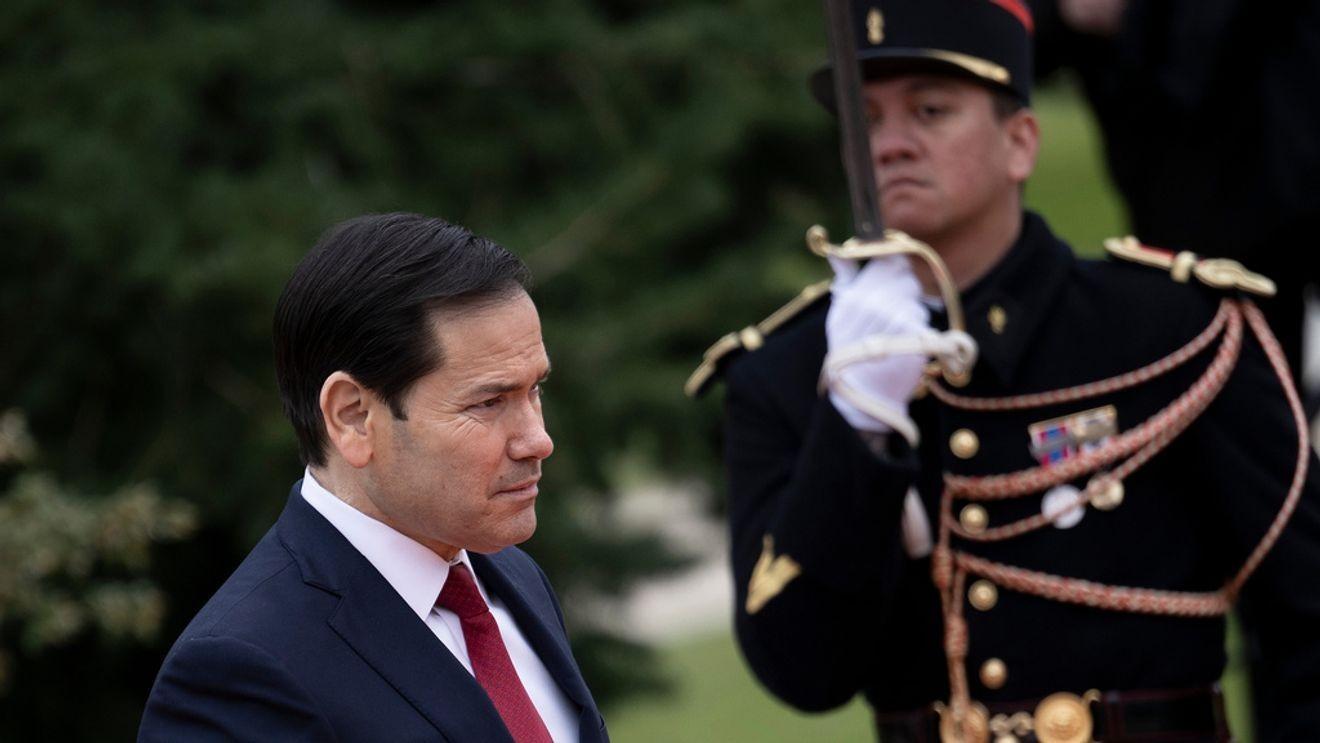
Sen. Marco Rubio Pushes 15-Point Plan To G7 Demanding Iran Dismantle Nuclear, Missile Programs
Key Takeaways
- U.S. expects operations against Iran to end within weeks, not months.
- Rubio says ground troops are unnecessary and objectives can be achieved without them.
- Remarks followed G7 talks; operations ahead of schedule.
New endgame framing and plan
The single most important new development across sources is Sen. Marco Rubio publicly framing the Iran war as nearing its end within weeks, not months, while keeping options open for escalation and signaling that ground troops are not required to finish the objective.
“BREAKING Donald Trump blasts NATO ‘paper tiger’ allies over lack of war supportTehran pledges regional response after Iran nuclear, industrial sites attackedYemen's Houthis confirm their first attack on Israel since the war on Iran began Click to pause breaking news tickerpause-square-backgroundClose Breaking News Tickerclose Toggle Play Rubio: US expects Iran war to end in ‘weeks, not months’ US Secretary of State Marco Rubio said the US expects its military operation in Iran to conclude “in a matter of weeks, not months”, adding that progress is ahead of schedule and can be achieved without deploying ground troops”
This timing shift is paired with talk of a broad, 15-point peace plan and ongoing mediation, suggesting a potential near-term political settlement even as hostilities persist.

The messaging is being pushed to a high-level audience (the G7) and is interpreted by non-Western outlets as a deliberate pivot that could reframe regional risk as the conflict broadens and new fronts emerge.
At the same time, regional actors and timelines remain unsettled: Iran’s formal response to proposals is not yet clear, and mediation channels are still being discussed.
Rubio’s stance is echoed across multiple outlets that emphasize a weeks-long horizon and the possibility of a negotiated endgame.
15-point plan in play
Specific demands in circulation center on a 15-point peace plan that would compel Iran to dismantle its nuclear and missiles programs, end support for proxies, and relinquish control of the Strait of Hormuz, with several outlets flagging that the plan is being treated as a negotiating framework rather than a done deal.
The plan’s emphasis on constraining Iran’s nuclear and missile capabilities and ceding control of Hormuz is repeatedly highlighted as a core condition for ending hostilities.
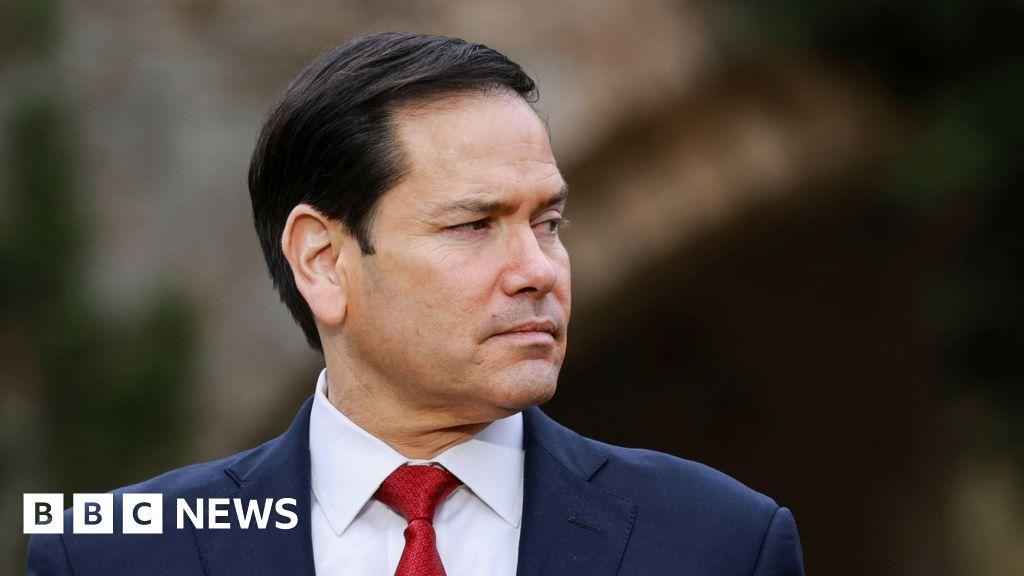
Reports also indicate that Iran’s leaders have not yet decided how or whether to respond to the US-proposed terms, underscoring the fragility of any imminent agreement.
The plan’s specifics, including who would verify compliance and how enforcement would be structured, remain unsettled in public briefings.
Overall, observers describe the 15-point proposal as a potential endgame hinge rather than a settled package, with timing and representation remaining live questions.
Regional risk and markets
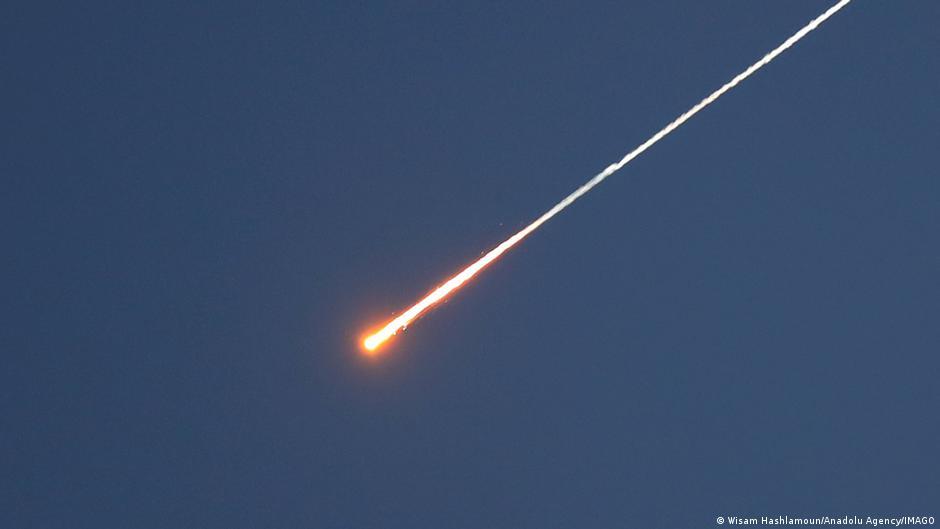
Contextual risk remains high as cross-front escalation continues: the Yemen-based Houthis have claimed an attack on Israel for the first time in this conflict, signaling that the war could widen rather than compress, and complicating any timeline for ending hostilities.
“Rubio says US expects to finish Iran war 'in next couple of weeks' US Secretary of State Marco Rubio says the US expects to finish its operations in Iran "in the next couple of weeks"”
Analysts stress that any early end to the Iran campaign would not automatically stabilize regional security if allied states confront new threats or if shipping routes remain contested.
Market and energy narratives reflect growing uncertainty: oil prices and shipping risk have surged in tandem with geopolitical shocks, complicating any peace talks or timelines proposed by Washington or its partners.
Several outlets also note that the US and its partners face divergent incentives—while some seek rapid de-escalation, others push for tangible concessions before any halt to strikes is credible.
Mediation and talks
On mediation and representation, multiple sources emphasize uncertainty about who would represent Iran in any talks and whether the United States and Iran are ready to pursue direct discussions, with mediators increasingly shaping the process.
The consolidated narrative portrays Washington presenting a package and seeking a response through intermediaries, while Tehran debates whether to engage and through whom; this dynamic creates a fragile path to a negotiated settlement.
Western outlets stress that formal channels are not yet established for direct talks, even as U.S. officials signal willingness to negotiate.
The question of who would carry a potential peace agreement on Iran’s side—whether Tehran’s leadership or a delegated interlocutor—remains unsettled, complicating any early resolution.
Endgame implications
Finally, the potential economic and strategic implications are shaping how both Western and non-Western observers assess the speed and acceptability of a near-term end: if timelines hold, shipping and energy markets could stabilize sooner, but any backsliding or contested Hormuz arrangements could prolong risk.
“All you need to know - The Yemeni government rejects Iran's attempts to 'drag Yemen' into its wars through the Houthis - Agency: Syria foils drone attacks from Iraq on the Tanf base - The Houthis announce launching the first attack on Israel since the war began - Trump renews his criticisms of Meretz and NATO - Meretz rules out US and Israel success in 'regime change' in Iran - Rubio: Iran war will last weeks and we do not need ground troops - Tehran announces bombing of a nuclear facility in central Iran and Israel claims the attack - Report: about a third of Iran's missile arsenal has been destroyed - German defense minister: Europe safe from Iran missiles thanks to NATO - Trump extends the deadline to target Iranian power stations - Iran responds with a 'negative' reply to American proposals to end the war - Iran considers ceasefire and Trump: Tehran wants to reach an agreement - Israel announces the killing of the commander of the IRGC Navy - Pakistani foreign minister: indirect talks underway between Washington and Tehran - UAE defenses intercept 15 missiles and 11 drones The Yemeni government, internationally recognized, reaffirmed today, Saturday (March 28, 2026), its firm rejection and strong condemnation of 'Iran's policies and repeated attempts to drag Yemen and regional countries into its wars through its militias, which aim to undermine national states, seize their sovereign decision, turn their lands into platforms for coercion, and threaten international peace and security”
Markets in Asia and Europe have reacted to Rubio’s tone and the war’s trajectory, with oil prices and insurance costs still reflecting heightened risk premia.

Non-Western outlets underscore that even with a swift conclusion to combat operations, the region’s political dynamics—narratives around sovereignty, proxies, and maritime control—will determine whether a formal peace holds.
In short, the endgame rests not only on a timetable, but on verifiable concessions, credible enforcement, and durable regional security guarantees.
More on Iran
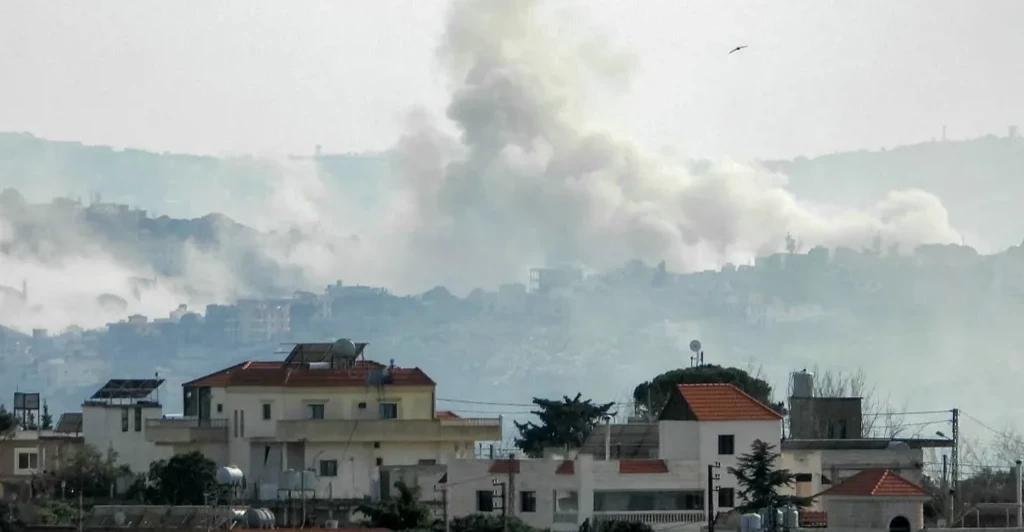
Israel Strikes Jezzine, Kills Three Journalists; WHO Says Nine Paramedics Killed In South Lebanon
17 sources compared
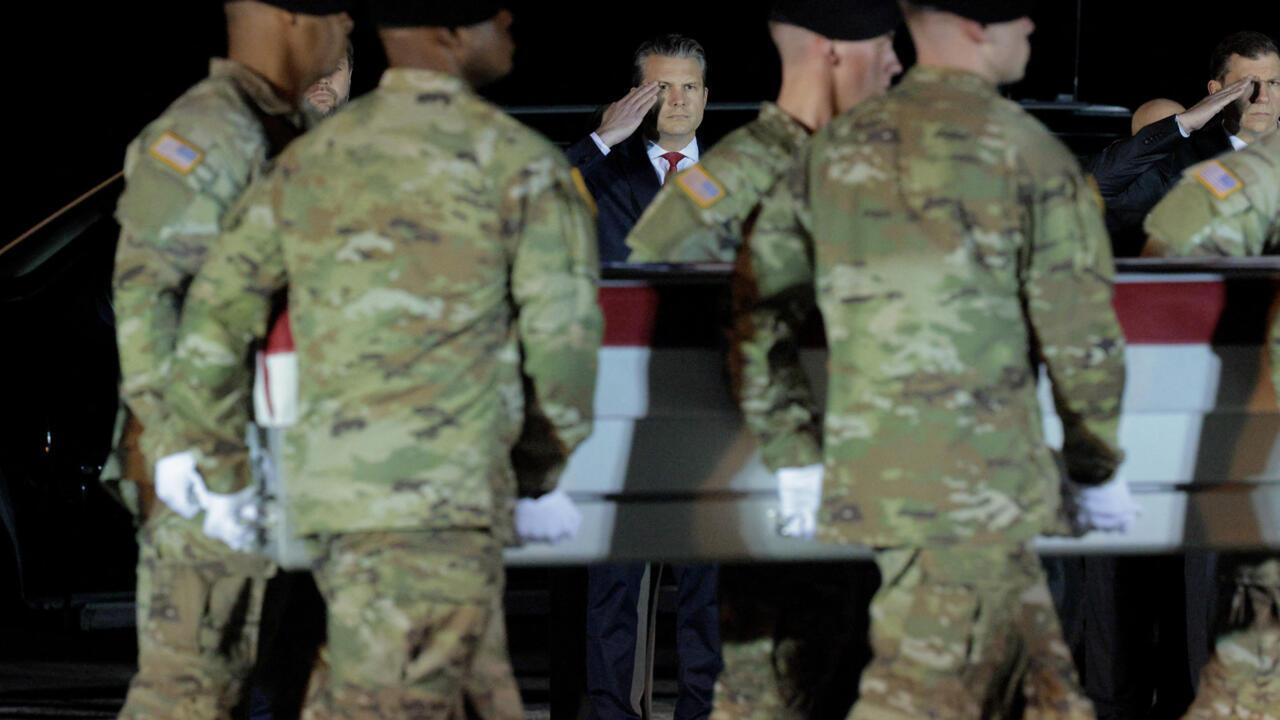
Iran Strikes Prince Sultan Air Base With Missiles, 29 Drones; Refueling Plane Destroyed, 10–15 Wounded
13 sources compared
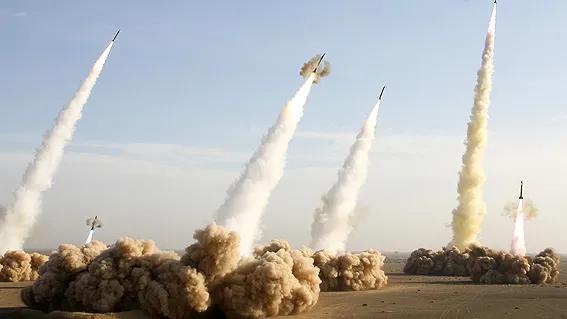
Iran Claims To Have Destroyed Multiple KC-135 Tankers At Prince Sultan Air Base
16 sources compared

U.S. Fires Over 850 Tomahawk Missiles at Iran in Four Weeks, Pentagon Alarmed
11 sources compared