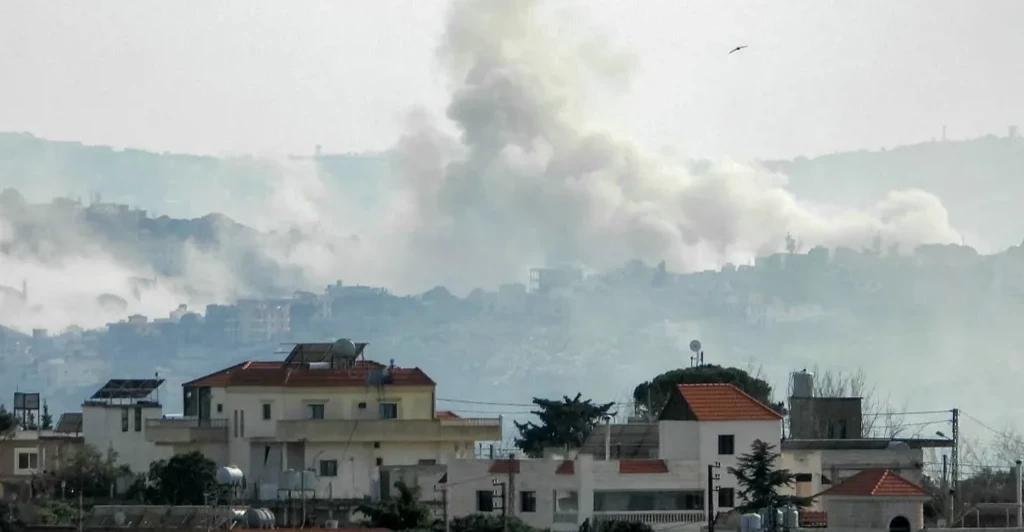
Israel Strikes Jezzine, Kills Three Journalists; WHO Says Nine Paramedics Killed In South Lebanon
Key Takeaways
- Israeli airstrike hit a marked press vehicle in Jezzine, killing three journalists and nine paramedics.
- Affiliations of the victims include Al-Manar and Al-Mayadeen channels.
- Nine paramedics were killed in the same attack.
New development: civilian protections breached
On 28 March 2026, the Jezzine strike that killed three journalists simultaneously marked a larger escalation: the same day, health workers were hit across southern Lebanon, with the World Health Organization reporting nine paramedics killed and four hospitals plus 51 primary health centres shut or operating at reduced capacity.
“Three journalists and nine paramedics were killed in southern Lebanon on Saturday as the US-Israel war on Iran intensified”
This combination signals a coordinated assault on civilian protection that extends beyond journalism into emergency medical services, fitting a broader pattern observers have linked to the escalation of the US-Israel war against Iran.

Al-Manar and Al-Mayadeen reported that Ali Shoaib, Fatima Ftouni, and Mohammed Ftouni were traveling in a clearly marked press vehicle when struck.
The Israeli Defense Forces acknowledged the strike but framed Shoaib as a Hezbollah operative, a claim that remains contested by Lebanon's government and media groups.
Rights groups condemned the strikes as war crimes and called for accountability.
Journalists targeted; claims contested
The three journalists identified by their outlets were Ali Shoaib of Al-Manar, Fatima Ftouni of Al-Mayadeen, and Fatima’s brother Mohammed Ftouni, a cameraman.
The Israeli army accused Shoaib of operating as a Hezbollah intelligence operative, claiming he had been reporting on locations of Israeli soldiers while disseminating Hezbollah propaganda.
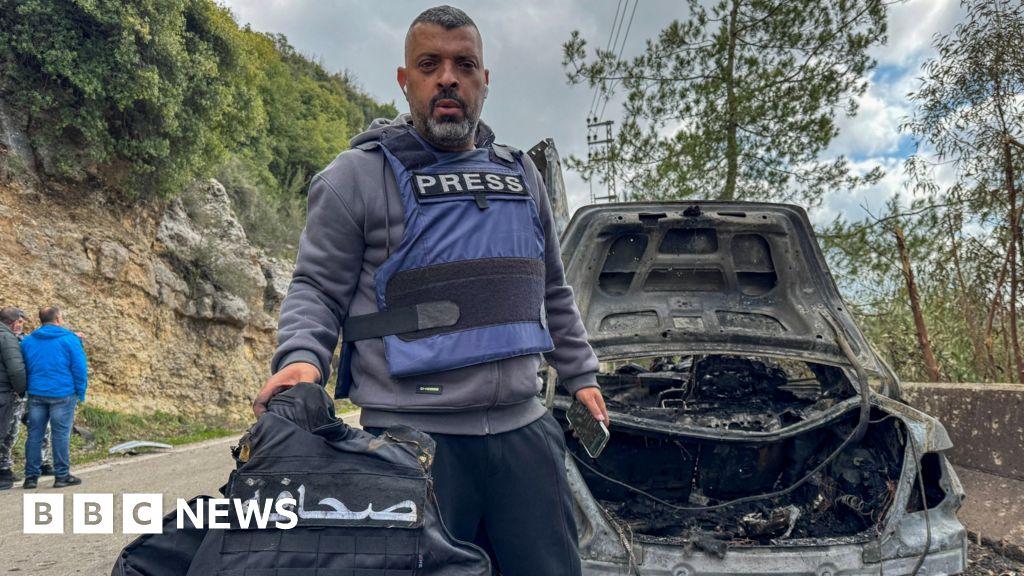
Al-Manar described Shoaib as one of its most prominent war correspondents, while Al-Mayadeen emphasized Ftouni’s courage and objectivity.
The Israeli statement did not provide public evidence for its claims, and Lebanon’s leadership and media organizations rejected the characterization of the journalists as combatants.
Rights and media watchdogs noted a broader pattern of attributing combatant status to journalists without credible proof.
Healthcare axis of the catastrophe
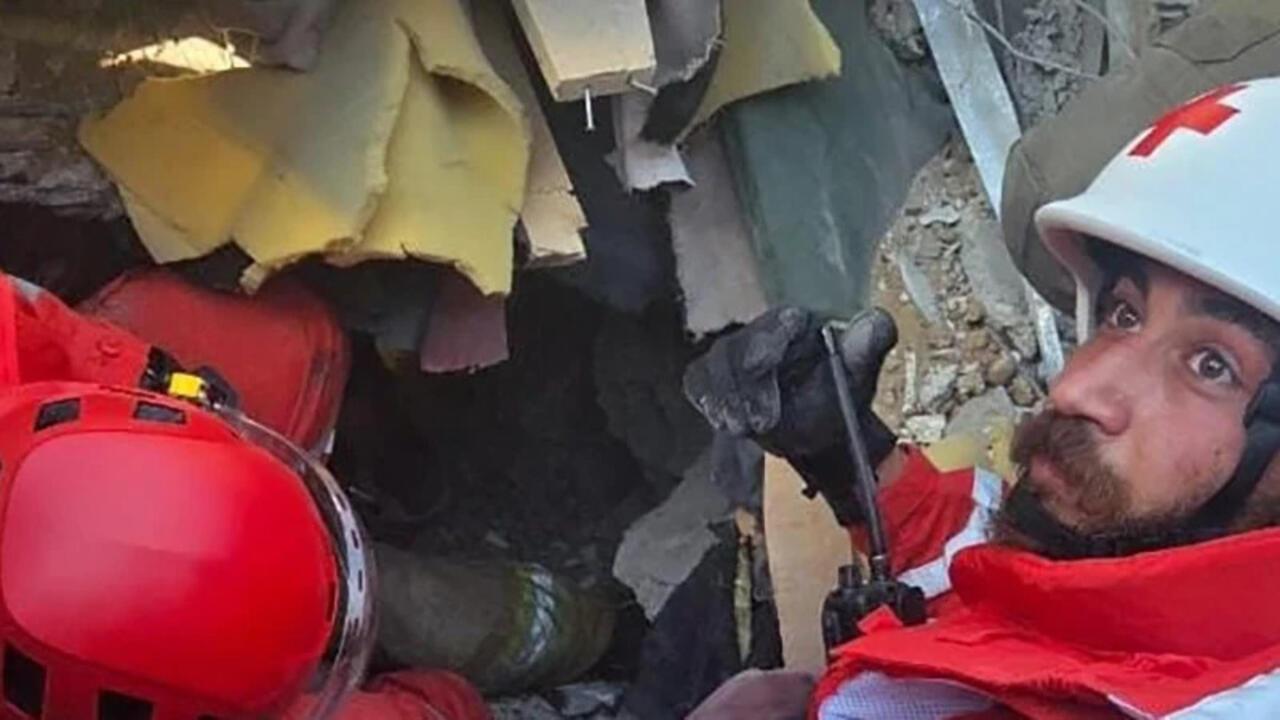
The World Health Organization said eight other paramedics were killed and seven wounded in five separate attacks on healthcare in southern Lebanon, with four hospitals and 51 primary healthcare centres closed or operating at reduced capacity.
“Israeli strike kill paramedics and three journalists in Lebanon – Channel 4 News Your privacy on Channel 4 We use cookies on your device to help us provide a more reliable service, show you relevant adverts and create more shows you might like”
Other outlets, including Middle East Eye, echoed the toll, stating that nine paramedics were killed and seven wounded in Israeli attacks on health facilities.
Shafaq News added that 51 Lebanese medical personnel have been killed since the escalation began, with nine healthcare workers killed on Saturday alone.
The health crisis extended to ambulance routes and emergency services, which faced repeated strikes and disruptions across the south.
The cumulative toll on medical responders and facilities highlighted a broader assault on civilian infrastructure.
Condemnation, legal framing, and diplomacy
Lebanese President Joseph Aoun condemned the strike as a 'blatant crime' that violates the norms protecting journalists in war, while Prime Minister Nawaf Salam called it a flagrant violation of international humanitarian law.
Lebanon’s government said it would file a complaint with the United Nations Security Council, reflecting a formal diplomatic escalation alongside ongoing hostilities.
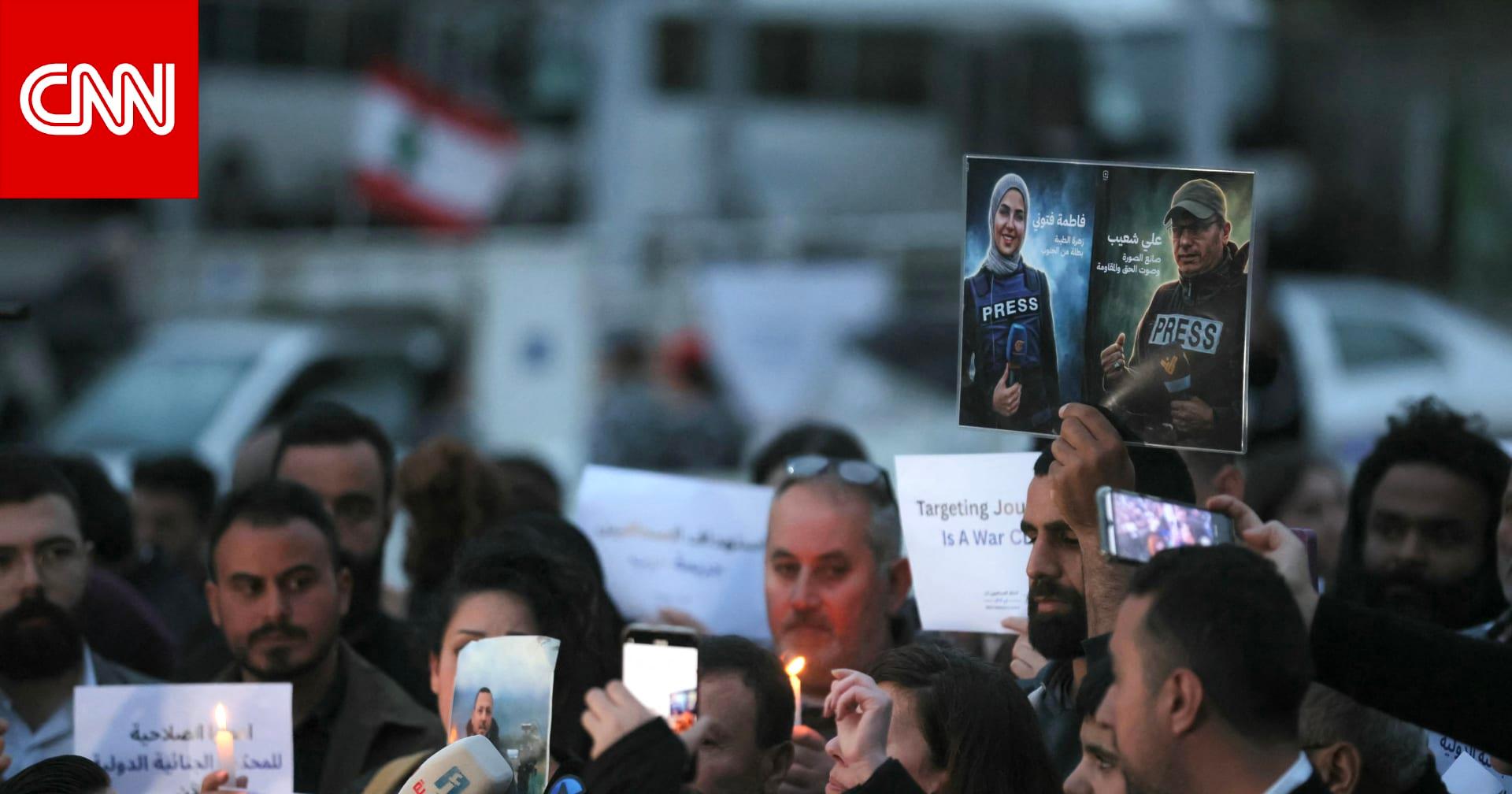
Rights groups and media watchdogs reiterated that targeting journalists breaches international law and stressed that journalists are civilians performing professional duties.
Western outlets and regional broadcasters highlighted the risk to press freedom and the dangers of equating journalism with combatant activity.
The broader humanitarian toll—health facilities, ambulances, and medical staff—was cited as evidence of a wider assault on civilian protection.
Regional spillover and escalation
Iran-aligned groups and regional actors have signaled spillover risks as the US-Israel-led war expands, with Yemen's Houthis firing missiles at Israel on the same day, described as their first such attack since the start of the Iran war.
“Amman, March 28, 2026––On Saturday, an Israeli strike targeted a media car on Jezzine highway in southern Lebanon on Saturday, killing journalist Ali Shoaib of Hezbollah-affiliated Al-Manar TV, journalist Fatima Ftouni of pro-Hezbollah Al-Mayadeen TV, and her brother, freelance photojournalist Mohamad Ftouni”
Al Jazeera and CNN Arabic report the Houthi action as part of a broader regional confrontation, complicating relief efforts and international diplomacy.

Western and regional observers warn that the conflict could widen beyond Lebanon and Gaza, potentially involving more states and non-state actors and increasing civilian casualties.
Analysts caution that claims about civilian protections and the distinction between combatants and journalists may be tested as regional power dynamics shift.
The immediate humanitarian crisis in Lebanon—healthcare disruptions, displacement, and casualties—risks deepening as regional instability persists.
More on Lebanon
Israel Says Al-Manar Reporter Ali Shoaib Was Hezbollah Operative After Strike Killed Three Journalists
24 sources compared
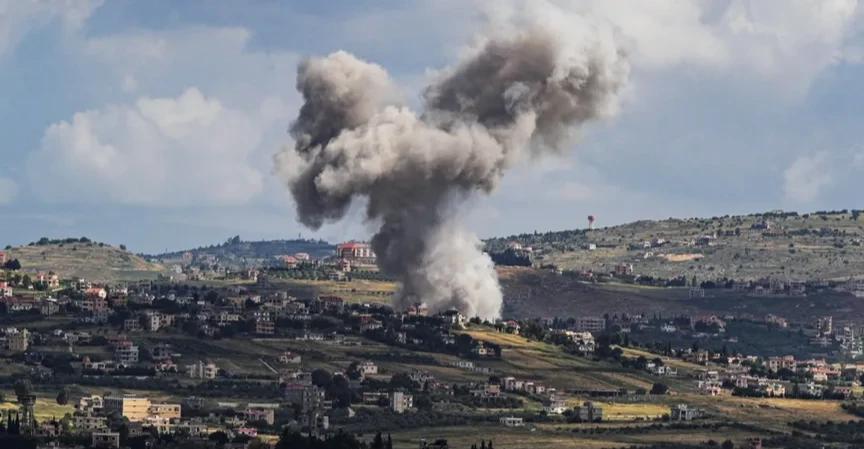
Israeli Army Strikes Marked Press Car In Jezzine, Kills Three Journalists; Lebanon Disputes Operative Claim
19 sources compared
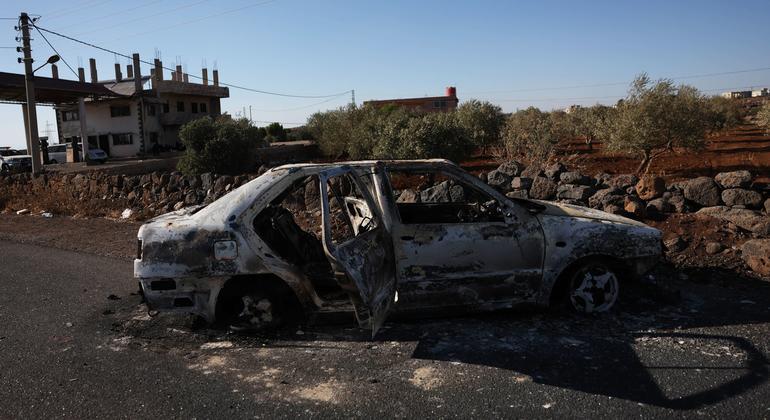
UN COI Says Sweida Violence May Be War Crimes, Demands Damascus Identify Leaders
15 sources compared
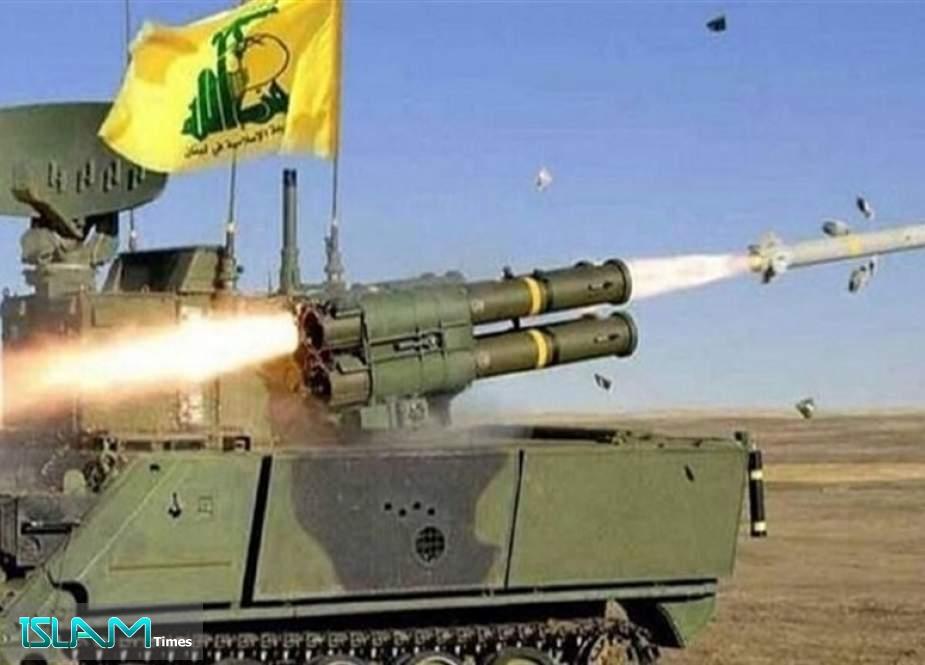
Hezbollah Claims Coordinated Ambush Destroying Eight Merkava Tanks, Halting Israeli Ground Push
10 sources compared