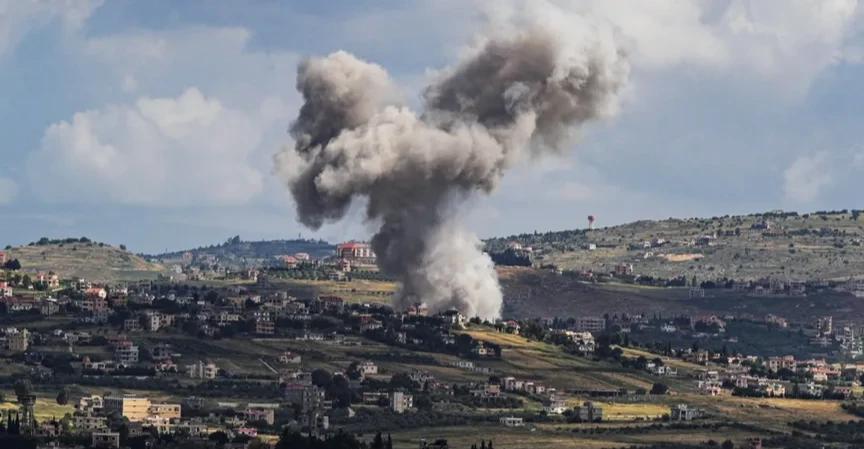
Israeli Army Strikes Marked Press Car In Jezzine, Kills Three Journalists; Lebanon Disputes Operative Claim
Key Takeaways
- Israeli airstrike hit a clearly marked press car in Jezzine, Lebanon, killing journalists.
- Toll contested: reports vary between three and four journalists killed.
- Ali Shuaib of Al-Manar and Fatima Fatouni of Al-Mayadeen among the dead.
Jezzine strike confirms journalists killed
Today’s most important new development is the mounting confirmation from multiple outlets that a strike on a clearly marked press car in Jezzine, southern Lebanon, killed three journalists.
“Three Lebanese journalists have been killed in an Israeli air strike on their clearly marked press vehicle in southern Lebanon”
Reporters Ali Shuaib and Fatima Ftouni were named as victims by their outlets, along with Ftouni’s brother, Mohammed, who was a photographer and was also in the vehicle.

The Israeli army acknowledged targeting the vehicle and alleged Shuaib was an operative in Hezbollah’s Ridwan Force; this claim is disputed by Al-Manar and Al-Mayadeen and by Lebanese officials.
The toll figures vary in early reporting, with some outlets saying three dead, others saying two, and several mentioning a wounded paramedic; the strike thus illustrates how information remains fluid and contested amid a widening cross-border confrontation.
International reactions & legal framing
The incident is being framed by Lebanese authorities and many regional observers within a broader legal and political contest, with Beirut’s leadership condemning what they call a grave breach of international law and norms surrounding press protection.
Lebanese President Joseph Aoun described the strike as violating 'the most basic rules of international law' by targeting civilians performing their professional duties.

Other Lebanese officials echoed that sentiment, calling the attack a 'flagrant crime' or a 'blatant crime' and pressing international actors to condemn and act.
Even as Israel argues the victim was an operative, the unanimity of Lebanese condemnations—widely echoed by state media and Gulf outlets—highlights how the incident is propelling debates over press safety and accountability in a war that has widened across West Asia.
Press-freedom advocates note a global pattern in which journalists die in conflict zones, with major watchdogs citing a troubling year for media workers.
Casualties & attribution discrepancies
Casualty tallies remain inconsistent across outlets, underscoring the fog of war as the Lebanon-Israel confrontation widens and the broader West Asia crisis deepens.
“Skip to main content Israeli strike kills at least two Lebanese journalists, Al Manar TV says”
Al Jazeera notes the Lebanese Health Ministry tally at 1,142 dead and more than 3,300 injured since March 2, a figure echoed by Dawn and corroborated by other regional outlets reporting on the toll.
AL-Monitor and other outlets cite lower counts or different compositions of the dead, with some reports naming three journalists killed and others two.
The identities involved are repeatedly confirmed as Ali Shuaib and Fatima Fatouni by Anadolu, while Al-Manar and Al-Mayadeen document their affiliated reporters and explain the surrounding context.
The divergent tallies reflect the challenges of wartime reporting, where hospital, military, and media sources offer competing narratives.
Implications for press safety & escalation
Beyond immediate casualties, the strike intensifies questions about press safety in West Asia’s expanding war and signals possible downstream escalations.
AP News notes Yemen’s Houthis claimed responsibility for a missile attack on Israel, describing it as the first military operation in support of Iran, thereby broadening the conflict.

CNN frames the Houthis’ action as a potential turning point that could widen the war and complicate regional diplomacy.
Al Jazeera emphasizes the war’s rapid widening into a multi-front conflict, now entering a fourth week, with journalists’ safety at the center of international concern.
BBC points to the persistent pattern of accusations that Israel targets journalists, a framing that shapes responses from regional actors and media advocacy groups.
More on Lebanon
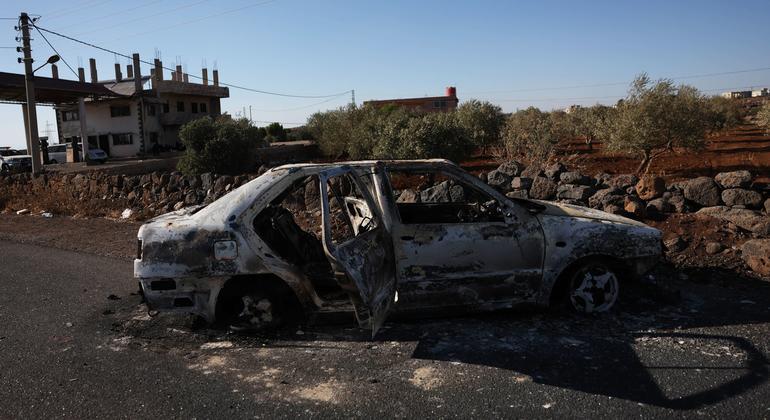
UN COI Says Sweida Violence May Be War Crimes, Demands Damascus Identify Leaders
15 sources compared
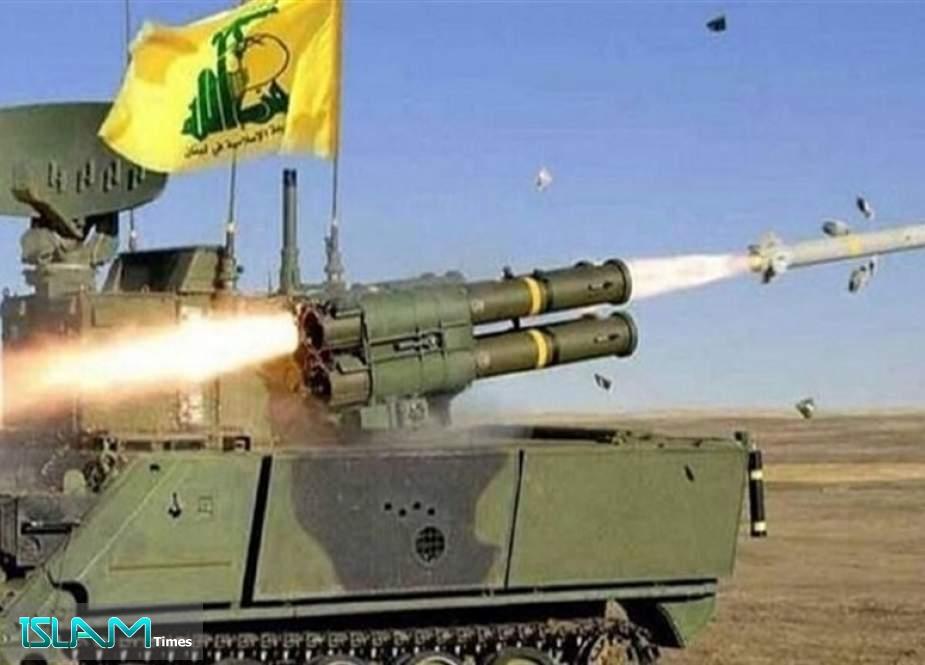
Hezbollah Claims Coordinated Ambush Destroying Eight Merkava Tanks, Halting Israeli Ground Push
10 sources compared

Israel Strikes Across Lebanon, Targeting Hezbollah Infrastructure
58 sources compared
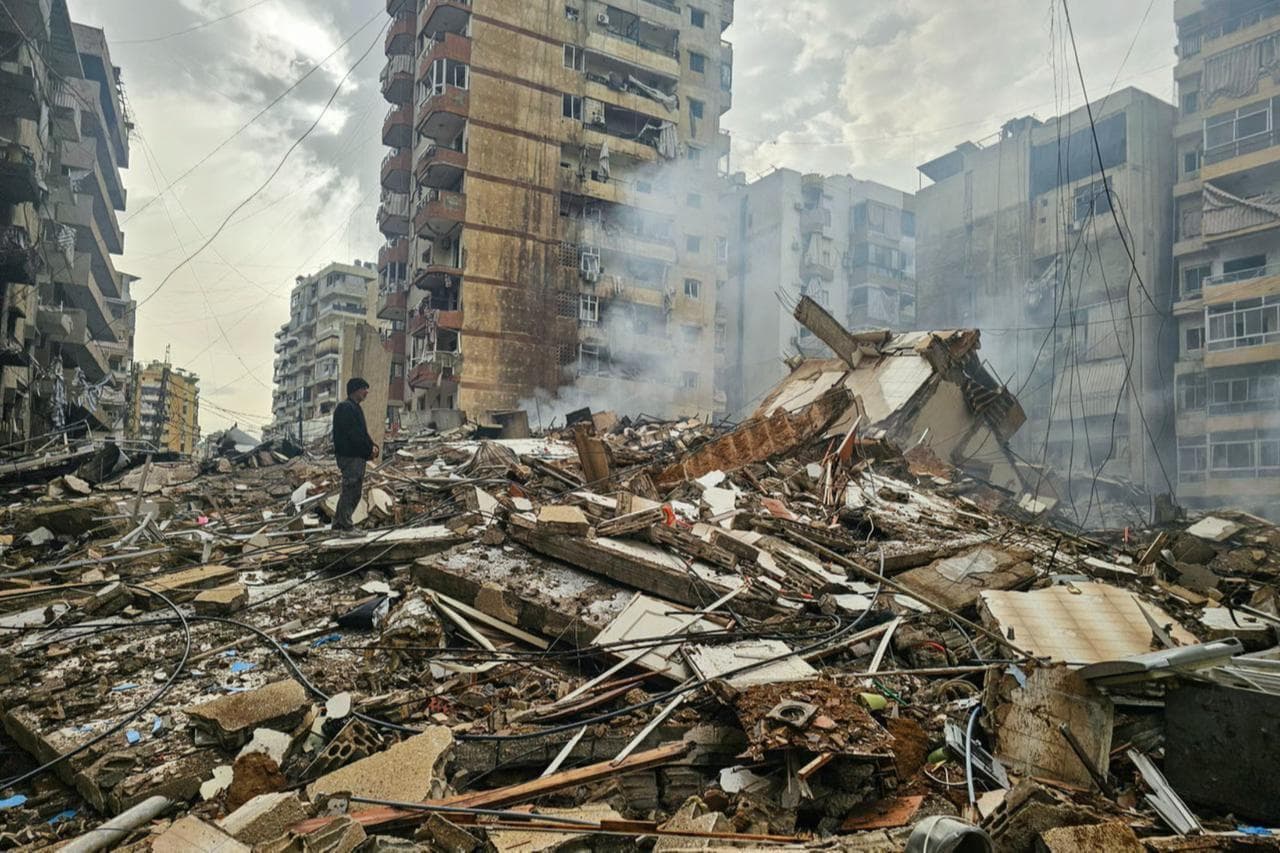
Finance Minister Bezalel Smotrich Calls for Annexation of Southern Lebanon
26 sources compared