Syria27 March, 20262 min read
UN COI Says Sweida Violence May Be War Crimes, Demands Damascus Identify Leaders
UN investigators: over 1,700 killed and about 200,000 displaced in Sweida, July 2025. Violence may amount to war crimes or crimes against humanity; calls for Syria to investigate.
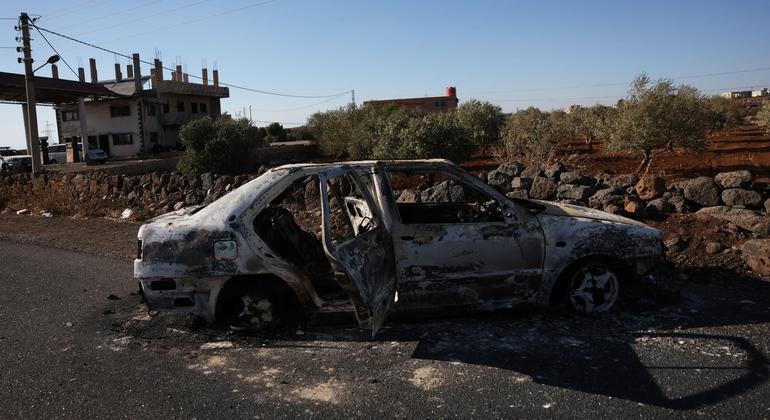
UN war-crimes finding in Sweida
The single most important new development is the UN Independent International Commission of Inquiry on Syria declaring that the Sweida violence in July 2025 may amount to war crimes and crimes against humanity, and urging expanded accountability. UN investigators report that more than 1,700 people were killed and about 200,000 displaced during that week of violence. It identifies government forces, Druze armed groups, and Bedouin fighters as actors whose actions could violate international law.
Crucially, the COI calls Damascus to identify leaders who permitted abuses and to pursue accountability for all perpetrators, regardless of rank. Several non-Western outlets underline how the report ties the violence to broader regional dynamics, including Israeli strikes that escalated the crisis.

Perpetrators and three waves
The COI describes three overlapping waves of violence in Sweida, from July 14 to 19, 2025. In the first phase, government forces and allied tribal fighters carried out killings, arbitrary arrests, torture, and looting against Druze civilians. Israeli airstrikes on Sweida and Damascus preceded the second phase, after which Druze armed groups attacked Bedouin civilians.
In the third phase, tribal fighters from across Syria mobilized to carry out retaliatory attacks against Druze civilians. The report notes that some government forces even removed their uniforms to join the attacks.
Displacement and humanitarian toll
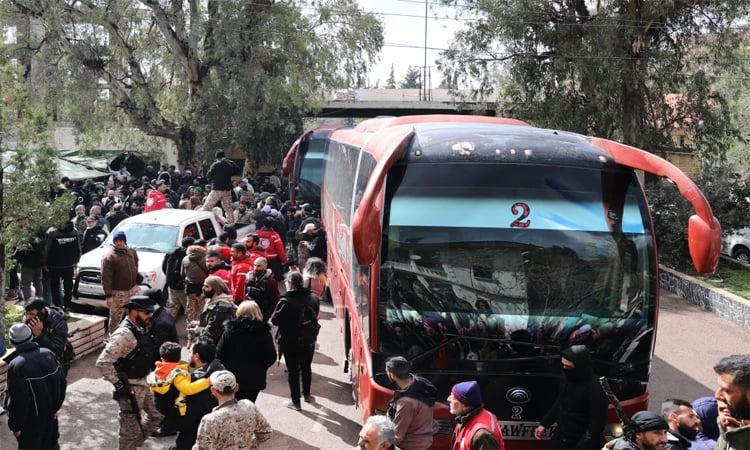
The toll is immense: more than 1,700 killed and about 200,000 displaced, with nearly 200 women and children among the dead. The report details widespread looting and the burning of homes across dozens of villages, with near-total displacement of Bedouin communities in areas under Druze or allied control. While fighting subsided after a July ceasefire, the humanitarian crisis remained unresolved months later.
Authorities warn that the violence may constitute war crimes and crimes against humanity pending further investigation. Documentation was based on hundreds of survivor testimonies and field visits.
External actors and regional context
The report links Israeli strikes to the instability that followed the Sweida violence, noting that attacks by external actors influenced the trajectories of the conflict. Israel’s airstrikes targeted government sites in southern Syria and Damascus in the period, complicating accountability for abuses. Western and regional outlets describe the strikes as contributing to volatility and to claims of treason against Druze leaders, fueling retaliatory dynamics.
The UN assessment places the violence within a broader West Asia conflict landscape rather than as an isolated incident. Damascus faces intensified international pressure to address leadership and end impunity.
Accountability path and policy implications
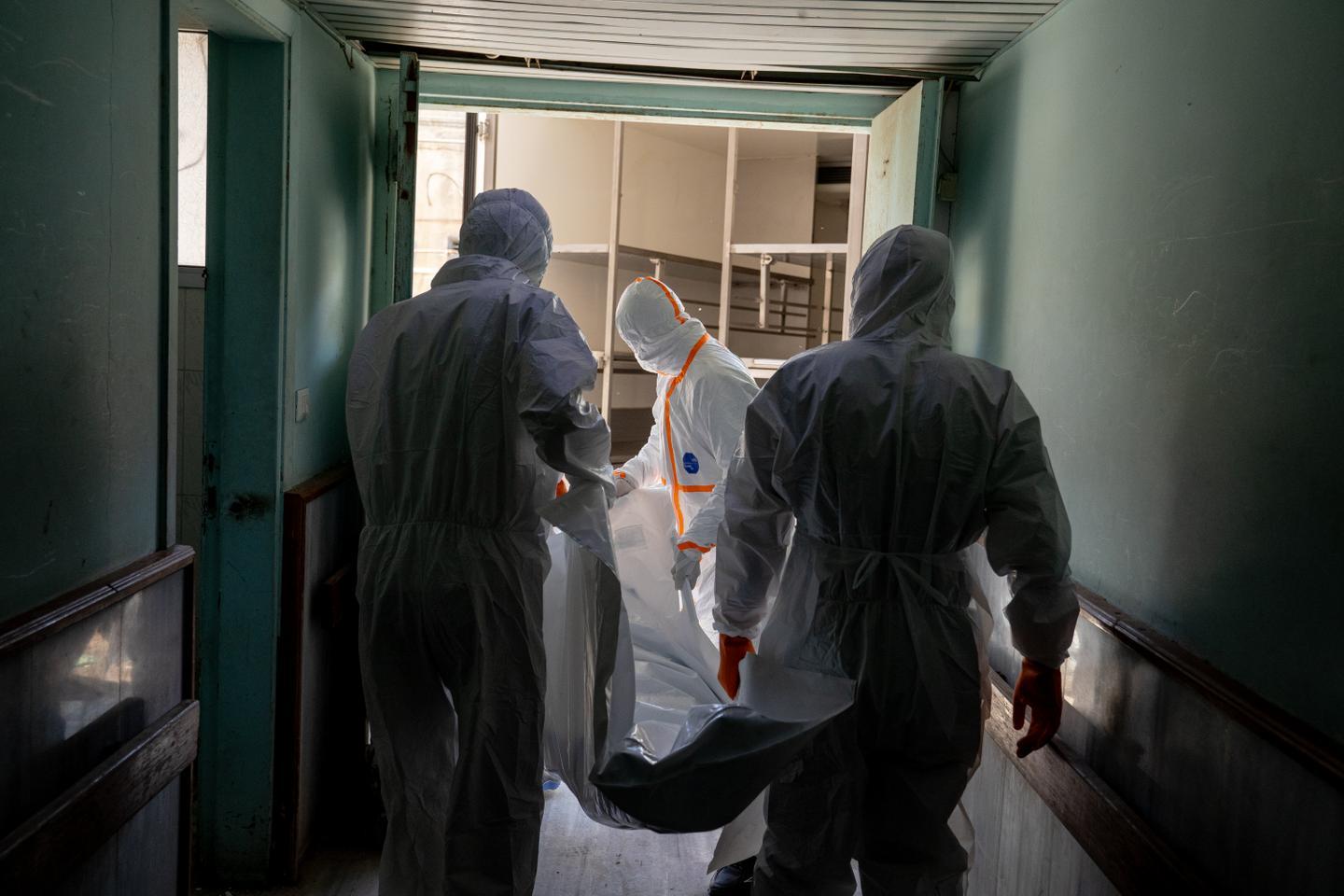
The COI explicitly demands that Damascus identify leadership within the security apparatus who allowed violence and remove them, insisting accountability extend to all implicated individuals. Multiple outlets describe accountability as urgent and systemic, not merely punitive arrests. Some observers note Syria formed its own inquiry, but progress appears limited, fueling skepticism about domestic accountability.
Analysts argue the Sweida case could set a critical benchmark for documenting and pursuing war crimes in West Asia and for pressuring allies to support credible investigations. Overall, UN findings recast Sweida as a test of international accountability mechanisms rather than a standalone sectarian incident.
