Lebanon07 March, 20263 min read
US and Israel Kill Iran's Supreme Leader in Wide-Ranging Strikes
US and Israel launched wide-ranging strikes on Iran. Strikes killed Iran's supreme leader on 28 February.
Iran strikes and claims
On 28 February, US and Israeli forces launched wide-ranging strikes across Iran that sources reported killed Iran’s Supreme Leader Ayatollah Ali Khamenei and targeted military, missile and nuclear-related facilities. The BBC reported: "On 28 February the US and Israel launched wide-ranging strikes across Iran targeting missile infrastructure, military sites, nuclear-related facilities and leadership in Tehran."
“On 28 February the US and Israel launched wide-ranging strikes across Iran targeting missile infrastructure, military sites, nuclear-related facilities and leadership in Tehran.”
Ahram Online described the period as "Day six of the widening Middle East conflict" and reported that "US‑Israeli strikes on Iran that killed Iran’s supreme leader Ayatollah Ali Khamenei" were said to have begun the current phase. Regional reporting relayed claims that the strikes killed senior Iranian figures; The New Arab noted the strikes "allegedly killed many top Iranian leaders including Supreme Leader Ayatollah Ali Khamenei," and it flagged those claims as extraordinary and in need of independent verification.

Conflicting casualty reports
Reported casualty figures and damage levels vary across sources and include large, contested numbers. Iranian state-linked outlets and some sources put civilian deaths in the low thousands. The BBC summarised that "Iranian state-linked media reported about 1,230 dead as of 5 March," while other regional reports cite higher tallies.
The New Arab and several regional outlets relay the Iranian U.N. ambassador's claim that strikes "killed at least 1,332 Iranian civilians, wounded thousands," a figure also repeated by Samaa TV. Multiple snippets and editors explicitly warn that those casualty and leadership-death claims are extraordinary and lack independent verification, producing clear uncertainty about the true toll.
Regional escalation and reported strikes
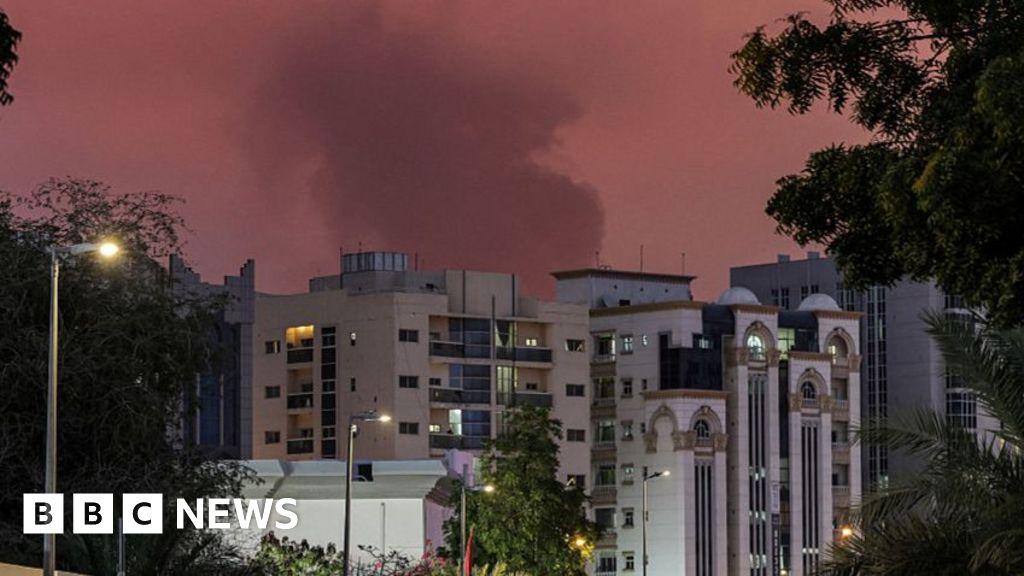
The fighting quickly spread beyond Iran and Israel, striking military and civilian sites across the region and drawing in multiple states and actors. The BBC listed a wide set of countries reporting strikes or damage: "Israel, the UAE (Dubai), Saudi Arabia (including damage near the US embassy in Riyadh), Qatar, Bahrain, Jordan, Kuwait, Oman, Iraq, Azerbaijan, Cyprus and Lebanon." Ahram Online and other outlets described parallel fronts, saying "Hezbollah has been confronting Israeli forces in South Lebanon."
“Countries hit or reporting strikes/damage include Israel, the UAE (Dubai), Saudi Arabia (including damage near the US embassy in Riyadh), Qatar, Bahrain, Jordan, Kuwait, Oman, Iraq, Azerbaijan, Cyprus and Lebanon.”
They also reported that NATO and other forces shot down missiles and that "a US submarine sank an Iranian warship off Sri Lanka." The Diplomatic Insight noted Iran's retaliation included "extensive missile and drone strikes against Israel and multiple US-allied or neighboring states in the Gulf," underscoring how the strikes have drawn in regional militaries and alliances.
U.S. emergency arms sale
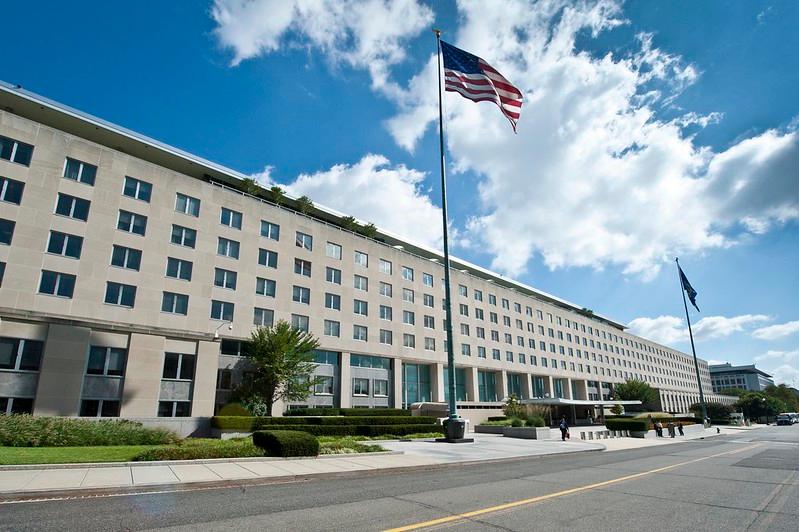
Amid the conflict the US State Department invoked emergency authority to approve an expedited arms transfer to Israel — a move that has drawn political criticism at home. Multiple outlets reported the approval of a roughly $151.8 million emergency sale for 12,000 BLU‑110A/B 1,000‑pound bomb bodies and associated support. Sada Elbalad stated the transfer proceeded "using emergency authority so the deal could proceed without a formal congressional review after Secretary of State Marco Rubio determined immediate action was required."
Middle East Eye summarised that the department "approved an emergency arms sale to Israel worth about $151.8 million, authorizing BLU-110A/B general-purpose bombs." The emergency waiver prompted domestic criticism — Representative Gregory Meeks argued the bypass reflected poor preparation, calling it "an emergency of the Trump administration’s own creation," a line reported by The New Arab and echoed in other outlets.

Context and reactions to strikes
Observers and rights groups — and some reporting in the region — placed the strikes in a broader context of criticism of Israel’s conduct in Gaza and longstanding US military support. Turkish Minute highlighted that rights organisations including Amnesty International, Human Rights Watch, B’Tselem and a U.N. commission concluded Israel’s conduct in Gaza amounts to genocide or genocidal acts. Several outlets noted that Israel defends its operations as self‑defense tied to the October 2023 Hamas attacks.
“Amnesty International, Human Rights Watch, B’Tselem and a U.N. commission have concluded Israel’s conduct in Gaza amounts to genocide or genocidal acts.”
The BBC summarised that “Israel framed the operation as a ‘pre‑emptive strike’ to remove threats,” and The Diplomatic Insight quoted Israeli officials pointing to “the October 2023 Hamas attacks that killed more than 1,200 people and involved over 250 hostages” as context for their actions. Sources also emphasised uncertainty about how long the war will last and warned the situation remains volatile and rapidly evolving.