Lebanon08 March, 20263 min read
Israel Escalates Attacks, Displaces More Than 500,000 in Lebanon
Israel ordered forced mass evacuations across southern Lebanon and southern Beirut suburbs More than 500,000 people in Lebanon registered as displaced
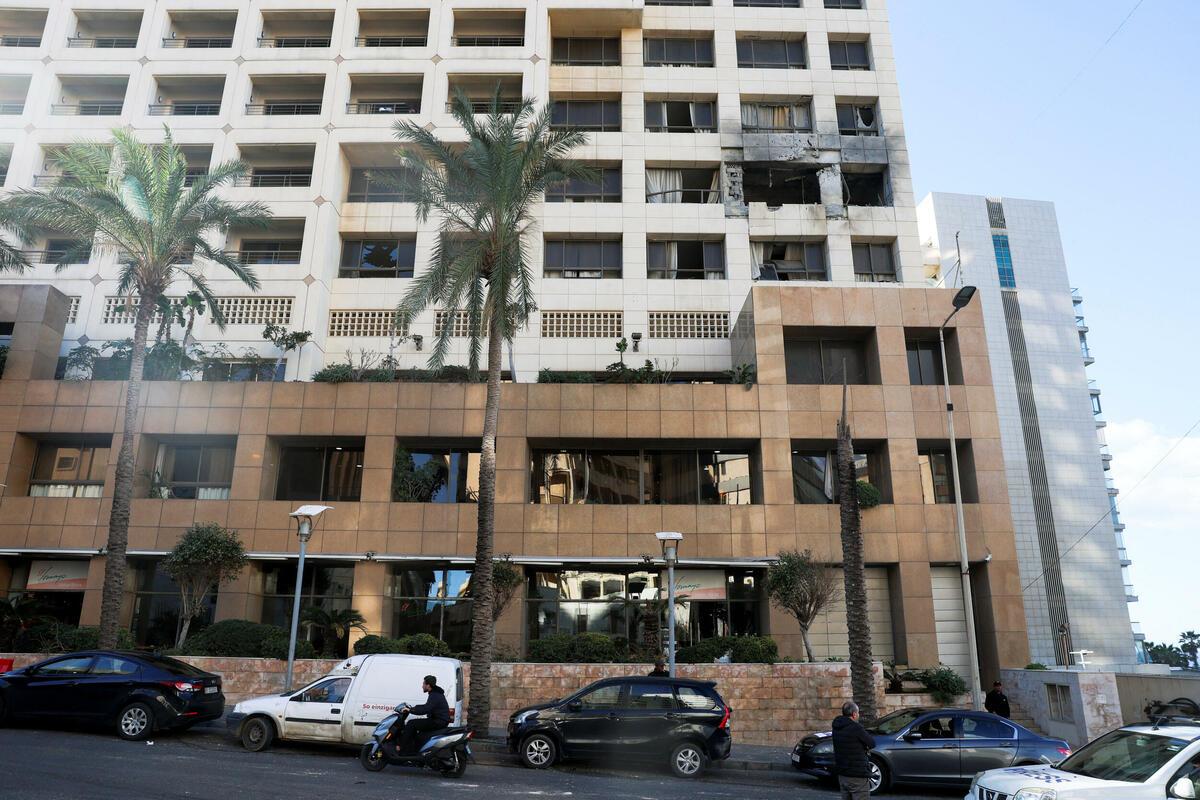
Israel and Hezbollah conflict
Israel and Hezbollah have engaged in intense cross-border fighting. According to reporting, "Israel launched heavy air strikes across southern and eastern Lebanon and Beirut’s southern suburbs while ground forces pushed into southern Lebanon, seizing hilltops near the border." The same reporting said there were "tanks and armoured bulldozers amassed at the frontier, raising fears of a wider invasion."
“Israel launched heavy air strikes across southern and eastern Lebanon and Beirut’s southern suburbs while ground forces pushed into southern Lebanon, seizing hilltops near the border. Tanks and armoured bulldozers amassed at the frontier, raising fears of a wider invasion. Hezbollah has been firing rockets and drones into northern Israel daily and said its fighters clashed with Israeli troops near Aitaroun; Al Jazeera reported growing Israeli concern about sudden attacks on northern communities and consideration of evacuations. Hezbollah has struck as far as Nahariya and Haifa, which hosts military and intelligence assets. Lebanese Prime Minister Nawaf Salam warned Lebanon had been drawn into a devastating war with potentially unprecedented displacement, and Israel said it had killed about 200 Hezbollah fighters (Hezbollah has not released casualty figures).”
Reporting also notes Hezbollah "has been firing rockets and drones into northern Israel daily." The reporting mentioned clashes near Aitaroun. The violence has produced strikes with significant civilian harm inside Lebanon.

This included an "airstrike on Sir al-Gharbiyeh above the Litani River [that] killed 11 people, including children." Analysts warn the situation "is creating urgent humanitarian crises and carries a high risk of spilling across the region." UNIFIL reported what it called violations of Lebanese sovereignty as footage showed tanks near Khiam.
Casualties and displacement figures
The fighting has produced large casualty and displacement figures, but sources differ on exact totals. Lebanese authorities and outlets place the death toll in the low hundreds, with Lebanon's Health Ministry (via QNA) reporting 294 dead and more than 1,023 injured since the offensive began. Another outlet summarised that nearly 300 people have been killed in Israeli attacks since Monday.
Amnesty reported that as of 6 March, Lebanese health authorities reported 217 dead, 798 injured and more than 110,000 people sheltering in collective centres. Al Jazeera recorded Lebanese warnings that the country could face potentially unprecedented displacement, highlighting variation and uncertainty in official counts.

Evacuations and aid strains
Civilians have faced chaotic evacuations and mass departures. Amnesty detailed that "Emergency evacuation orders — notably on 5 March for everyone south of the Litani River and for residents of Dahieh — triggered chaotic, congested mass departures by road and on foot." Rights groups and journalists say "recent Israeli strikes have caused heavy civilian harm in Lebanon and beyond."
“Emergency evacuation orders — notably on 5 March for everyone south of the Litani River and for residents of Dahieh — triggered chaotic, congested mass departures by road and on foot.”
Humanitarian organisations emphasise that, despite continuing relief efforts, "relief operations continue to run but remain chronically underfunded." Sources therefore picture both urgent movement of people and strained, under-resourced relief operations.
Israel-Hezbollah border clashes
The military dynamics show an asymmetric and escalating clash, with Israeli ground pushes and amassed armoured forces while Hezbollah continues long-range strikes. Al Jazeera documented that Israeli forces were seizing hilltops near the border and that tanks and armoured bulldozers had amassed at the frontier. Al Jazeera also noted that Hezbollah has been firing rockets and drones into northern Israel daily.
The Jerusalem Post corroborated footage of tanks near the southern town of Khiam. Daily Sabah recorded localized deadly strikes inside Lebanon. These reports underscore cross-border exchanges and substantial destructive effects on Lebanese communities.
Legal and humanitarian warnings
Regional political and legal concerns are being raised alongside urgent humanitarian warnings. elciudadano recounts that human-rights advocates, including Omar Shakir, now director of DAWN and a former HRW investigator, are urging states such as Iran and other affected countries to accept International Criminal Court jurisdiction so alleged crimes can be investigated, preserve evidence and avoid impunity. The same piece quoted the UN Lebanon coordinator saying the country has been "dragged back into a state of turmoil and violence" and calling for restraint and a halt to hostilities.
“Human-rights advocates — including Omar Shakir, now director of DAWN and a former HRW investigator — are urging states such as Iran and other affected countries to accept International Criminal Court jurisdiction so alleged crimes can be investigated, preserve evidence and avoid impunity.”
Amnesty and other observers also link the surge in violence to a recent sequence of strikes and reprisals. Analysts warn the wider region faces a serious risk of further escalation.
