Lebanon06 March, 20264 min read
President Trump Demands Tehran's Unconditional Surrender, Escalating US-Israeli War on Iran
Trump insisted no deal without Iran surrendering and sought a role selecting its next leader U.S. and Israeli strikes hit targets in Tehran; Israel also struck Beirut's southern suburbs

Demand for Iran's surrender
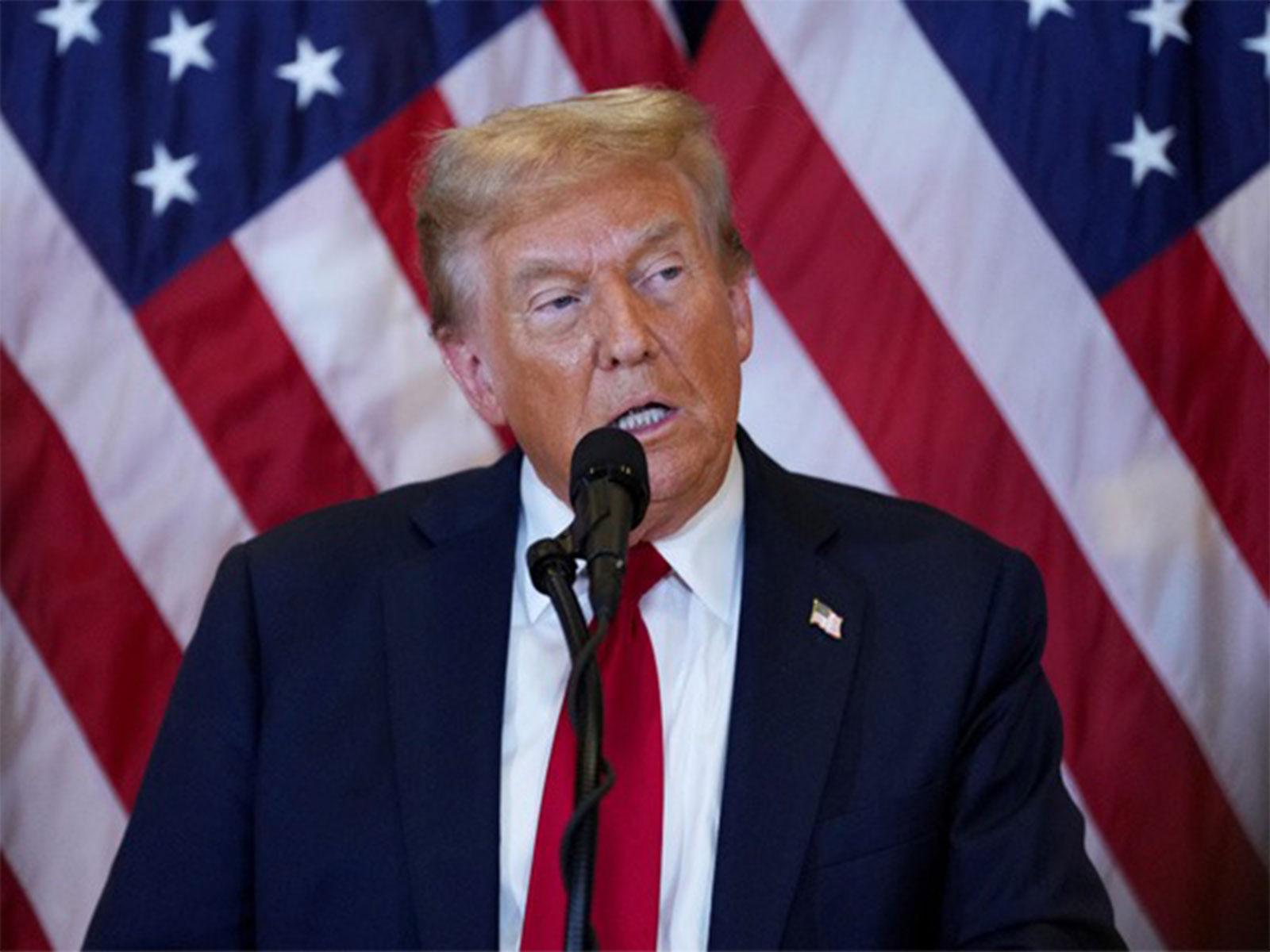
Former President Donald Trump publicly demanded Iran's 'unconditional surrender,' framed it as the only acceptable end to the U.S.-Israeli campaign, and offered post-surrender reconstruction and influence over Iran's future leadership. Multiple outlets cited his March 6 comments and social-media posts, including reports that used the phrase 'US President Donald Trump' to say only Tehran's 'unconditional surrender' would end the ongoing US-Israeli war with Iran. Other reports quoted him tying that demand to helping rebuild Iran and to shaping an 'acceptable' successor, saying the U.S. and its allies would help rebuild Iran once it surrenders and selects an 'acceptable' new leader.
“US President Donald Trump said Friday that only Tehran’s ‘unconditional surrender’ would end the ongoing US‑Israeli war with Iran.”
Some reports described him saying he alone will determine when Iran has reached 'unconditional surrender,' and that the administration has made public claims about removing dozens of regime figures. Critics and analysts warned that such rhetoric magnified the risk of further escalation and complicated diplomatic de-escalation efforts.

The source articles used differing titles for Trump, with some calling him 'Former President Donald Trump' and others calling him 'US President Donald Trump' or 'President Trump'; this contradiction is present in the reporting. These accounts are drawn from contemporary reporting and reflect the statements as reported.
Escalation and Reported Strikes
The demand came amid an intense military escalation that several outlets trace to a Feb. 28 U.S.–Israeli operation and a wave of subsequent strikes across Iran, Lebanon and other fronts.
Some reports describe the campaign as beginning after 'reported joint U.S.–Israeli strikes killed Iran’s Supreme Leader Ayatollah Ali Khamenei and other senior commanders.'

Those reports say Israel and the U.S. carried out major strikes inside Iran, including an operation described as using 'about 50 fighter jets' to hit what was called an underground bunker beneath Tehran government buildings, while Israel expanded strikes into Lebanon against Hezbollah.
U.S. military statements and independent outlets also reported maritime and other strikes tied to the campaign, but observers caution that many high‑profile claims remain contested or unverified.
Civilian casualties and displacement
The human cost and civilian displacement were repeatedly emphasized across reporting, though casualty figures vary and many claims remain disputed. Multiple outlets cited large death tolls and mass evacuations. One compilation of official and aid figures listed reported tolls including "at least 1,230 dead in Iran" and hundreds dead and wounded in Lebanon, while Lebanese authorities said "at least 123 killed and about 90,000 displaced since Monday."
“Lebanese authorities report at least 123 killed and about 90,000 displaced since Monday.”
Iranian service and state sources and rights-oriented outlets stressed extensive civilian suffering and infrastructure damage. Observers noted that independent verification was hampered by a near-total internet outage in Iran.
NetBlocks estimated national connectivity at about 1% and Cloudflare recorded a near-complete traffic halt on day seven, and witnesses reported that "internet access in Iran plunged to roughly 1%, severely limiting independent confirmation of events." These competing counts and limits on verification make precise totals uncertain.
Economic and maritime impacts
Beyond the battlefield, the conflict disrupted regional commerce and global markets as strikes and warnings spread across the Gulf and maritime approaches. Energy and market analysts cited dire short‑term risks: "Qatar’s energy minister Saad al‑Kaabi warned the Financial Times that if the conflict with Iran escalates, regional energy exports could stop 'within weeks,' risking higher prices, supply shortages and damage to global GDP." Financial coverage documented immediate market reactions, noting that "Markets reacted to the heightened risk, with Brent crude jumping about 8%."
Military reporting pointed to a widening maritime dimension with claims that U.S. forces and allies struck or disabled Iranian vessels at sea. Observers warned that attacks on Gulf infrastructure and the risk to shipping could amplify the economic fallout of the fighting.

Diplomatic and military tensions
The crisis generated urgent diplomatic warnings and divergent international responses. Reporting highlighted fractures in U.S. messaging and growing calls for restraint. Analysts and officials described a split between President Trump's uncompromising public rhetoric and more cautious military and diplomatic signals.
“There is a sharp split between Trump's rhetoric about regime change and more cautious military and diplomatic messaging: Pentagon briefings emphasize a limited mission (chiefly degrading missile capabilities), senior U.S. officials say they are avoiding nation‑building though they have not ruled out troops.”
"But there is a sharp split between Trump’s rhetoric about regime change and more cautious military and diplomatic messaging: Pentagon briefings emphasize a limited mission (chiefly degrading missile capabilities), senior U.S. officials say they are avoiding nation‑building though they have not ruled out troops." At the same time, militaries increased deployments, including additional troops and bombers, amid operations labeled 'Operation Epic Fury'.
International leaders weighed in, with Russia’s leader reportedly condemning 'armed Israeli‑American aggression' and urging a halt to hostilities, while U.N. rights officials called for transparent probes into alleged abuses and civilian harm. The combination of heightened military posture, polarizing rhetoric and urgent diplomatic appeals underscored how fragile prospects for de‑escalation had become.