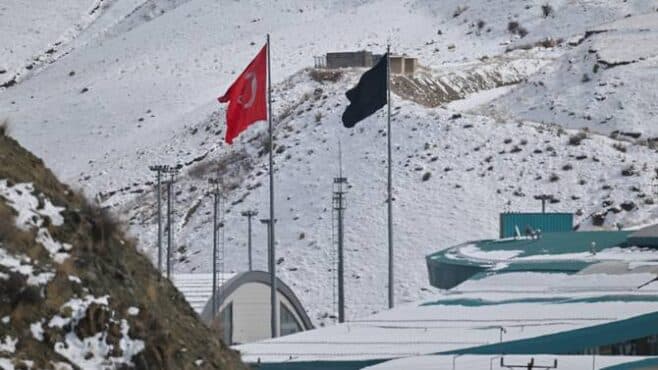
NATO Shoots Down Second Iranian Ballistic Missile Over Turkey, Ankara Warns Iran
Second missile intercepted
On March 9, 2026, Turkey and NATO said they intercepted a second ballistic missile fired from Iran after it entered Turkish airspace.
“The Turkish Ministry of National Defence says NATO air defences have intercepted a ballistic missile launched from Iran towards Turkiye as concerns grow that the United States-Israel war against Iran will escalate”
Turkish officials described the strike as the second such interception in about a week.

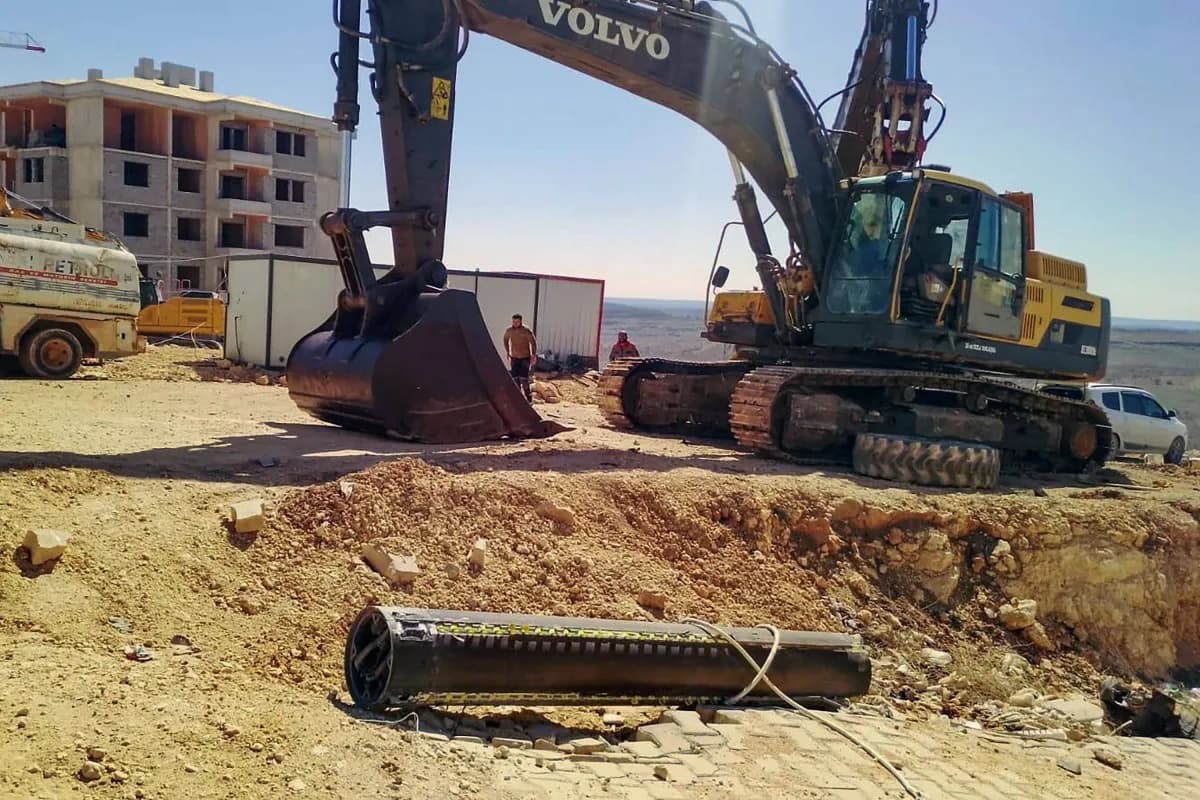
They said NATO air and missile defence assets neutralized the projectile over the eastern Mediterranean and that fragments landed near Gaziantep with no injuries reported.
Turkey and NATO response
Ankara and NATO framed the incident as a serious security breach and warned Tehran against further actions.
Turkish officials said they had deployed all security measures and urged restraint.
The defence ministry warned it would take "all necessary steps ... without hesitation" or "all necessary measures" against threats.
NATO confirmed the interception and reiterated it stands ready to defend allies.
Turkey summoned Iran's ambassador after holding an emergency cabinet meeting.
Disputed missile trajectory
Where the missile was headed and whether Tehran fired it remain unclear and contested.
“Iranian media said that Iranian President Masoud Bezheshkian informed his Turkish counterpart, Recep Tayyip Erdoğan, of Tehran’s readiness to form a joint team to investigate allegations related to the firing of missiles toward Turkish territory”
Iranian officials denied launching strikes on Türkiye, while U.S. and regional reporting suggested the projectile may have been aimed at the Incirlik air base.
Other reporting cited a U.S. Navy destroyer as conducting an intercept as the missile passed through Iraqi and Syrian airspace.
Multiple outlets emphasized that the ultimate destination of the missile was still uncertain.
Iranian strikes and escalation
Analysts and regional reporting placed the intercepts in a broader surge of Iranian strikes across the Middle East and warned of escalation risks.
Several outlets linked the episode to a campaign of missiles and drones since late February and cited claims of thousands of rockets and drones used in the wider exchange.

They also noted statements from Iran’s IRGC and regional actors such as Hezbollah, and some commentators warned the incidents raised concerns about wider escalation involving the United States and Israel.
Turkey, NATO and security response
The incidents underscored Turkey's continued reliance on NATO air-defence assets and prompted precautionary measures by allies.
“ANKARA, March 9 (Reuters) - Turkey said on Monday that NATO air defences shot down a second ballistic missile that was fired from Iran and had entered Turkish airspace, warning it will take any necessary steps against threats”
Reports said NATO had recently bolstered its ballistic missile-defense posture.

Debris from the intercepts fell between key Turkish military sites.
The U.S. embassy ordered non-emergency staff and families to leave southern Turkey amid heightened security concerns, even as Ankara stopped short of invoking formal NATO collective-defence consultations.
Key Takeaways
- NATO air defences intercepted a second ballistic missile fired from Iran that entered Turkish airspace
- Missile debris fell near Gaziantep's Sahinbey district without reported casualties or damage
- Ankara warned Iran; NATO affirmed readiness; Iran proposed a joint probe; US ordered staff evacuation
More on Iran

Putin Proposes Swift Plan to End War in Iran to Trump in Hour-Long Call
12 sources compared

Escalation in Iran Pushes Oil Near $120, Sparks Gas Price Surge in Los Angeles
10 sources compared
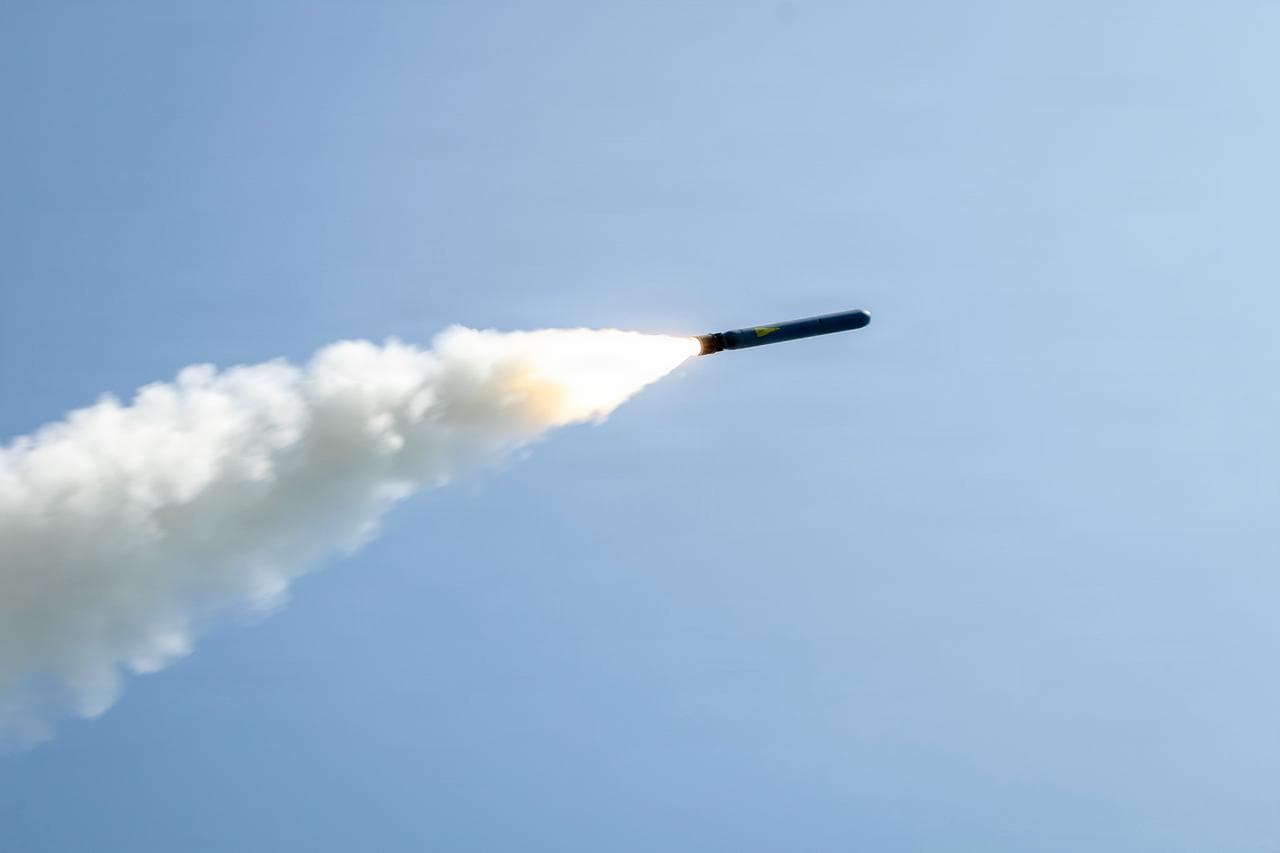
Video Shows US Tomahawk Hit IRGC Base Beside Girls' School That Killed Children
14 sources compared
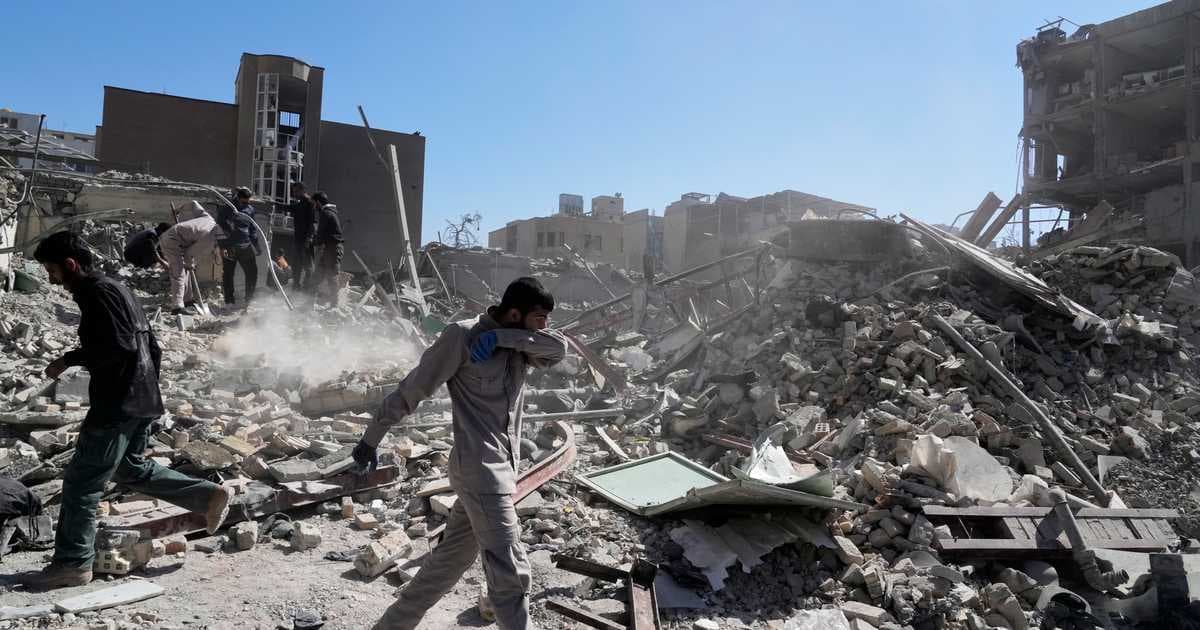
U.S. Intercepts Iran Message Activating Sleeper Cells After U.S.-Israel Strike Kills Khamenei
14 sources compared