
Israel Strikes Across Lebanon, Targeting Hezbollah Infrastructure
Key Takeaways
- Israel destroyed bridges over the Litani River in southern Lebanon.
- Israel aims to occupy southern Lebanon up to the Litani River.
- Beirut's southern suburb struck; Hezbollah targets across Lebanon hit.
Israeli Strike Campaign
Israeli military forces have intensified strikes across Lebanon, specifically targeting Hezbollah infrastructure in multiple locations.
The Israeli military announced it was stepping up attacks aimed at infrastructure in Beirut belonging to Hezbollah 'with increasing intensity,' focusing on the militant group's strongholds in the southern suburbs of the capital.
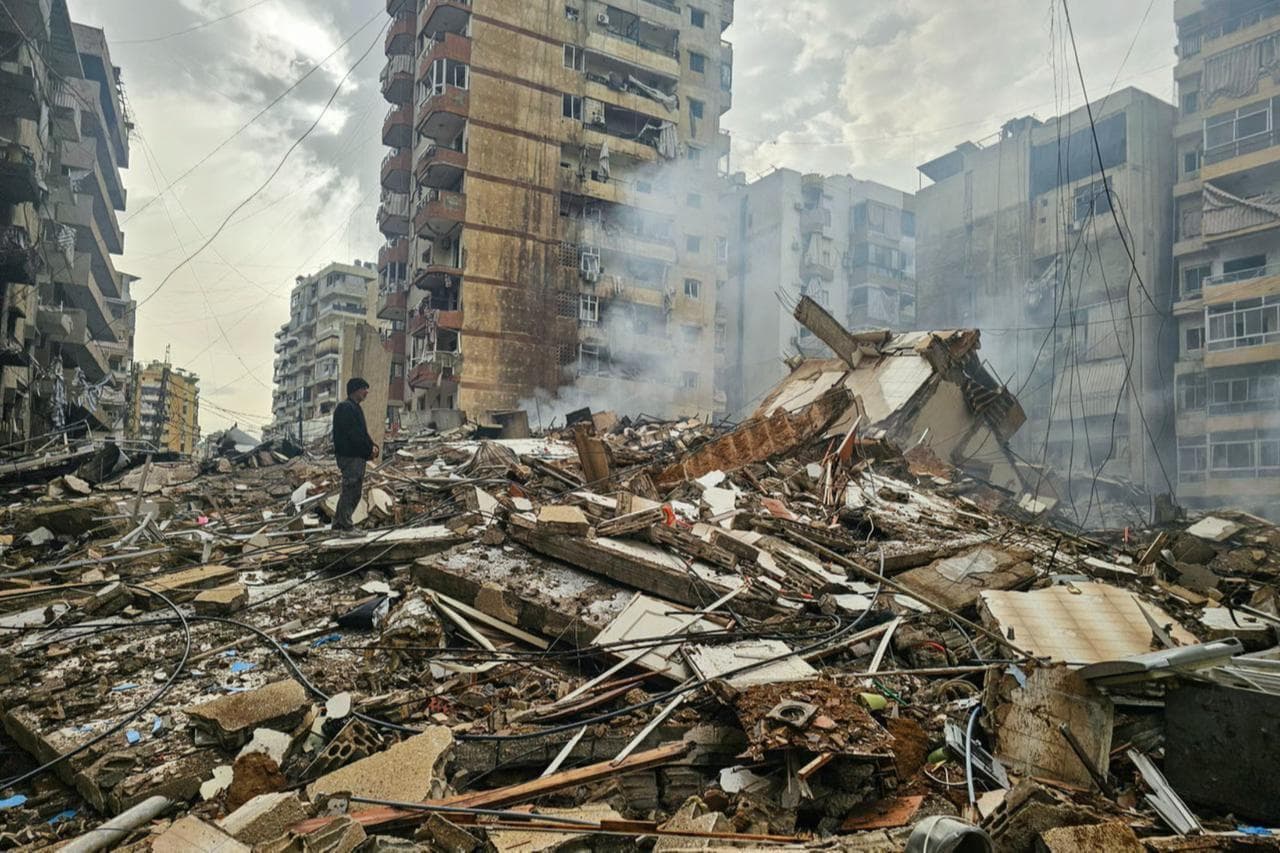
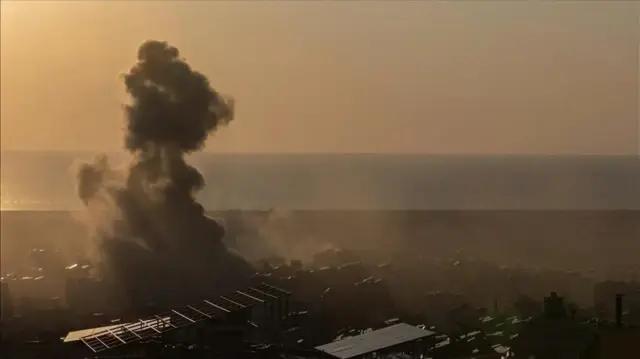
Footage broadcast on Lebanese news networks showed fire and plumes of smoke after several locations were hit, with the National News Agency reporting strikes in areas considered Hezbollah strongholds.
The IDF specifically targeted several Hezbollah headquarters, including bases of its elite Radwan Force 'from which terrorists operated to advance and execute terror attacks against IDF soldiers and Israeli civilians,' according to military statements.
Additionally, Israeli strikes targeted Hezbollah-affiliated Al-Amana gas stations and other infrastructure across the country.
Territorial Expansion
Israel has significantly escalated its military presence in Lebanon, with Defense Minister Israel Katz announcing plans to occupy southern territory up to the Litani River, creating what he termed a 'defensive buffer zone.'
This territorial ambition represents a major escalation beyond temporary raids and aims to establish permanent occupation in southern Lebanon, an area amounting to nearly one-tenth of the country's territory.

Katz explicitly compared the approach to Israel's campaign in Gaza, stating that buildings near the border were being cleared and demolished 'to create a defensive buffer and push the threat away from communities.'
The Israeli military has been systematically destroying homes in 'frontline villages' and establishing what Katz described as a 'forward defensive line' to neutralize perceived threats to Israeli communities near the Lebanese border.
Infrastructure Destruction
The Israeli campaign has resulted in widespread destruction of civilian infrastructure and severe humanitarian consequences.
Israel has systematically destroyed five bridges over the Litani River since March 13, claiming they were used by Hezbollah for transferring fighters and weapons.
The Qasmiyeh Bridge, a critical infrastructure spanning the river and serving as a main route linking southern Lebanon to central Beirut and the coastal city of Tyre, was particularly targeted.
Human Rights Watch has warned that this infrastructure destruction could create a 'humanitarian catastrophe' as the region south of the Litani becomes isolated, preventing civilians from accessing food, medicine and other basic needs.
The strikes have killed over 1,070 people in Lebanon, including more than 120 children, 80 women, and 40 medics, according to Lebanon's health ministry, with more than one million people displaced due to evacuation orders affecting 15% of Lebanese territory.
International Response
The escalation has triggered strong reactions from both Hezbollah and the international community.
Hezbollah has condemned Israel's territorial ambitions as an 'existential threat' to the Lebanese state, with senior lawmaker Hassan Fadlallah declaring that 'we have no choice but to confront this aggression and cling to the land.'

The group has responded with intensified rocket attacks, claiming to have fired over 100 rockets at Israeli troops and military positions between 7:30 a.m. and 9:30 a.m. on one day alone.
International bodies have expressed grave concerns, with the United Nations human rights office warning that some Israeli strikes could amount to war crimes.
Spanish Prime Minister Pedro Sanchez has warned that Israeli Prime Minister Benjamin Netanyahu is 'seeking to inflict on Lebanon the same level of damage and destruction' seen in Gaza.
Escalation Timeline
The current escalation represents a significant intensification of hostilities that began when Hezbollah launched attacks into Israel on March 2, drawing Lebanon into the wider regional conflict involving the United States and Iran.
“The military has previously said ground troops were carrying out limited and targeted raids close to the border with Israel”
The Israeli military has expanded its ground operations in southern Lebanon, a traditional Hezbollah stronghold, with Lieutenant General Eyal Zamir describing it as 'a prolonged operation' and stating that 'We are now preparing to advance the targeted ground operations and strikes according to an organised plan.'

The Lebanese government has outlawed Hezbollah military activity and expressed willingness to engage in direct talks with Israel, while simultaneously expelling the Iranian ambassador in a diplomatic move that adds complexity to the crisis.
The Centre for Information Resilience has documented that as Israel's evacuation zone expands northward into Lebanese territory, strikes are landing inside it and troops are advancing deeper, with over 1 million self-reported internally displaced persons and 133,492 IDPs in collective shelters as of March 18, 2026.
More on Lebanon

Hezbollah attacks northern Israel; Israel expands buffer zone to Litani, plans long-term occupation
10 sources compared
Finance Minister Bezalel Smotrich Calls for Annexation of Southern Lebanon
26 sources compared
Iran fires missile at Lebanon coast after Beirut expels Tehran's ambassador
16 sources compared

Israel Destroys Bridges Over Litani River, Steps Up Border Demolitions Near Lebanon
19 sources compared