Finance Minister Bezalel Smotrich Calls for Annexation of Southern Lebanon
Key Takeaways
- Bezalel Smotrich calls for annexation of southern Lebanon up to Litani River.
- IDF would establish security zone up to Litani River, controlling bridges and displacement.
- Outlets describe the move as an annexation attempt and security buffer against Hezbollah.
Annexation Declaration
Far-right Israeli Finance Minister Bezalel Smotrich has made the most explicit call yet for the annexation of southern Lebanese territory.
In a speech on Monday, Smotrich stated that Israel needs to extend its borders and said 'the Litani River must become our new border with the State of Lebanon—just like the buffer line in Gaza.'
This unprecedented territorial demand comes from a senior Israeli government official who leads the Religious Zionist Party in Prime Minister Benjamin Netanyahu's coalition.
Smotrich has frequently staked out positions that go beyond official Israeli policy, having previously called for annexation of Palestinian lands.
His remarks reflect a growing sentiment within Israel's right-wing leadership that seeks to permanently alter the geopolitical landscape in response to Hezbollah's attacks.
Military Support Plan
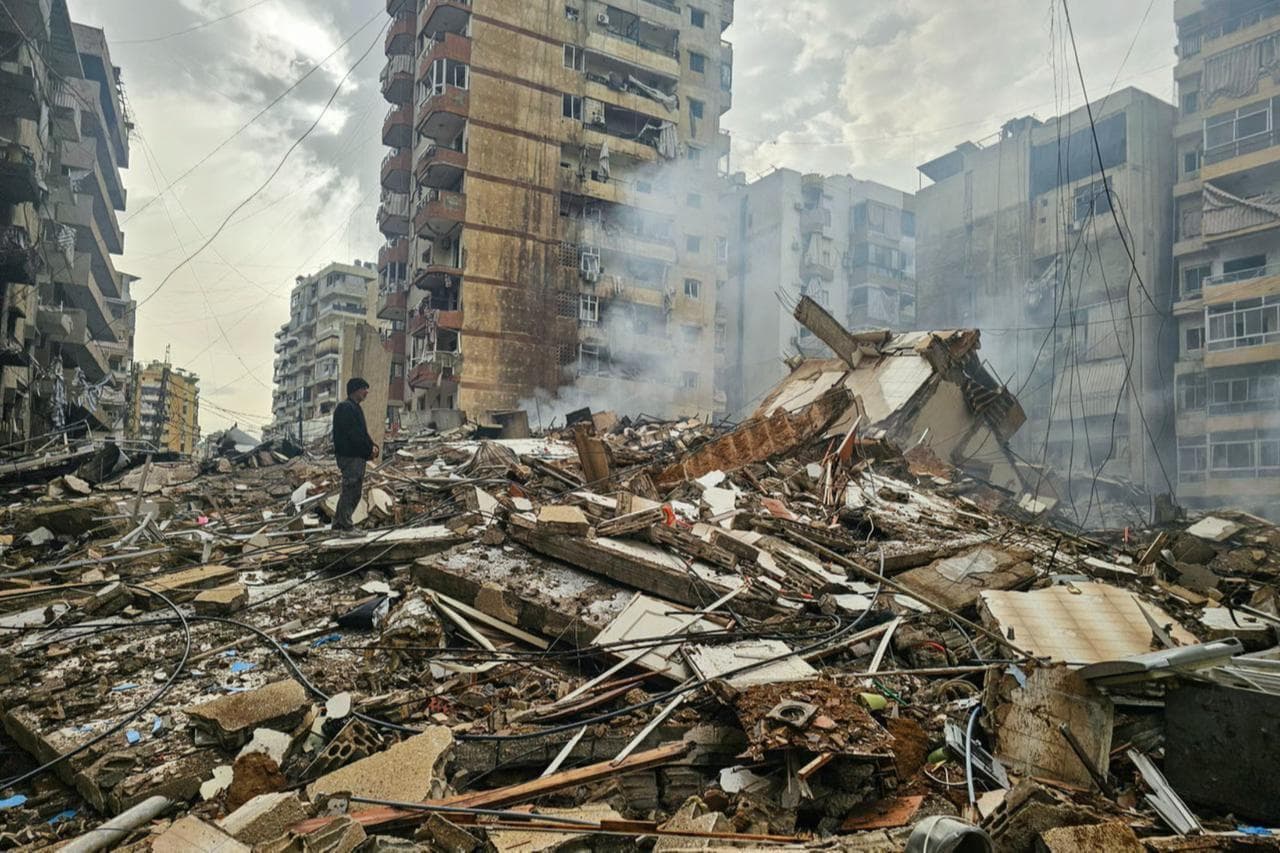
Smotrich's annexation call is backed by intensified Israeli military operations that systematically target infrastructure and civilian areas south of the Litani River.
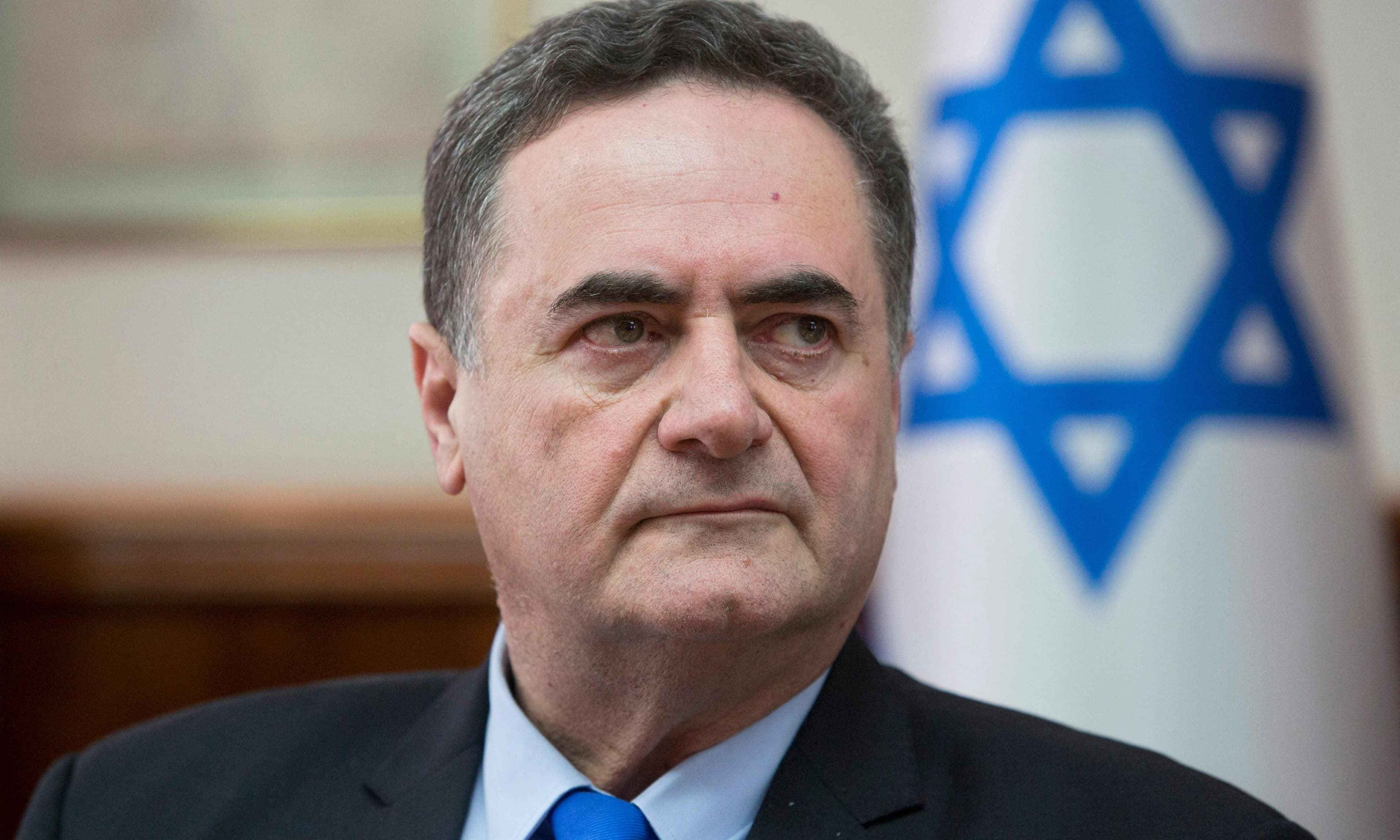
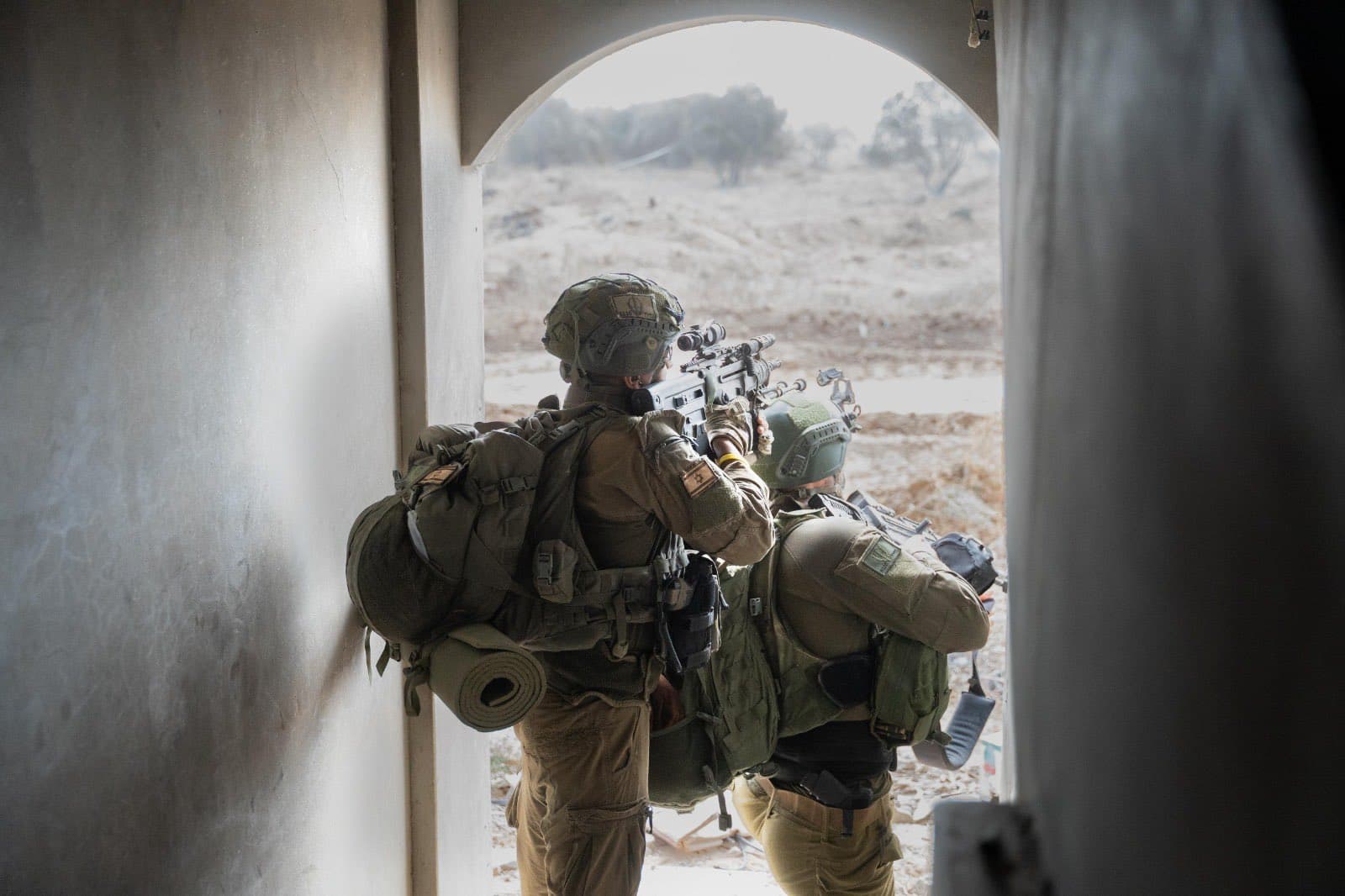
Israeli Defense Minister Israel Katz has announced plans for his country's military to establish a 'security zone' stretching to the Litani River, effectively cutting off Lebanon's south from the rest of the country.

The Israeli military has destroyed five bridges over the Litani River since March 13, including the main Qasmiyeh Bridge linking the southern cities of Tyre and Sidon.
Additionally, Israeli forces have stepped up demolition of homes in Lebanese villages near the border, with Katz describing these structures as 'terrorist outposts' that serve as part of Hezbollah's infrastructure.
This systematic destruction of civilian infrastructure is designed to create conditions for territorial control and prevent any return of displaced residents to the area.
Humanitarian Crisis
The Israeli military campaign has created a catastrophic humanitarian crisis in Lebanon, with devastating consequences for civilian populations.
“- Published Israeli troops will control a large swathe of southern Lebanon as part of their campaign against Hezbollah, Defence Minister Israel Katz says”
Lebanese health authorities report that more than 1,000 people have been killed since fighting intensified on March 2, including over 100 children, 80 women, and 40 medical personnel.
The conflict has displaced approximately 1.2 million Lebanese citizens—one in every five residents—with over 130,000 people sheltering in overcrowded collective centers.
The United Nations human rights chief has criticized Israel's actions, particularly its use of widespread evacuation orders, which international law generally prohibits as collective punishment.
The systematic destruction of bridges and infrastructure has isolated communities and cut off essential supplies, with Hanna Amil, mayor of the Christian border town Rmeish, reporting that movement is becoming increasingly restricted.
Resistance Response
Hezbollah has vowed to resist any Israeli attempt to occupy southern Lebanon, with senior lawmaker Hassan Fadlallah warning that such an occupation would pose an 'existential threat' to Lebanon as a state.
Fadlallah told Reuters that 'we have no choice but to confront this aggression and cling to the land,' indicating that the Iran-backed militant group will fight to prevent Israeli troops from occupying territory south of the Litani River.
This threat of resistance comes amid concerns that Israel's actions could lead to another long-term occupation similar to the one that lasted from 1982 to 2000.
The Lebanese government, which has outlawed Hezbollah military activity, is seeking international support to prevent escalation, with President Joseph Aoun offering to hold direct talks with Israel.
However, the government appears powerless to prevent Hezbollah's continued military operations against Israel, which drew Lebanon into the broader regional conflict when it fired rockets into Israel on March 2.
Diplomatic Uncertainty
International diplomatic efforts to address the escalating conflict remain uncertain, with mixed signals from global powers.
“The operation would involve controlling all bridges over the Litani River in Lebanon, as well as the areas to its south”
President Donald Trump announced that Washington and Tehran could soon reach an agreement on ending the war, referring to what he described as ongoing discussions between officials from both countries.
However, Iran has denied that any such negotiations are taking place, creating confusion about potential diplomatic breakthroughs.
Pakistan's Prime Minister Shehbaz Sharif has offered to host 'meaningful and conclusive' talks between the U.S. and Iran, suggesting his country 'stands ready and honored' to facilitate such negotiations.
Meanwhile, France has expressed concern about Israel's military expansion, with Foreign Minister Jean-Noel Barrot urging Israel to 'refrain' from sending forces to take control of a zone in southern Lebanon, warning that such operations 'would have major humanitarian consequences.'
More on Lebanon

Israel to occupy southern Lebanon up to the Litani River, defence minister says.
17 sources compared

Israel's Military to Occupy Southern Lebanon Up to Litani River, Defence Minister Says
37 sources compared

Israel Destroys Bridges Over Litani River, Steps Up Border Demolitions Near Lebanon
19 sources compared
Israel Strikes Hezbollah Targets in Beirut After Evacuation Warnings
13 sources compared