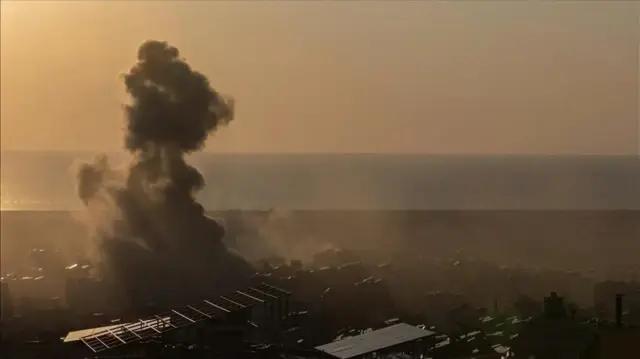
Iran fires missile at Lebanon coast after Beirut expels Tehran's ambassador
Key Takeaways
- Lebanon withdraws Iran's ambassador accreditation and declares him persona non grata, demanding departure.
- Iranian envoy must leave by Sunday, with Lebanese authorities summoning Iran's chargé d'affaires for consultations.
- The move signals a diplomatic rift between Lebanon and Iran amid broader regional tensions.
Missile Strike Response
Iran fired a missile at Lebanon's coast after Lebanon expelled Tehran's ambassador.
“The decision, announced on Tuesday by the Lebanese Foreign Ministry, effectively withdraws official recognition of the Iranian representative, compelling his immediate exit”
The missile strike came as a direct response to Lebanon's diplomatic action against Iran.

This incident marks a significant escalation in regional tensions between the two countries.
The confrontation occurred amid heightened geopolitical tensions in the Middle East.
Both countries have been taking increasingly adversarial stances in recent diplomatic exchanges.
Diplomatic Rupture Causes
Lebanon's decision to expel the Iranian ambassador was motivated by alleged Iranian interference.
Lebanese officials claimed Iran's ambassador was engaging in activities threatening sovereignty.

The expulsion reflects growing Lebanese concerns about Iranian influence.
Particular concern exists regarding support for Hezbollah and other allied groups.
Lebanon views these activities as destabilizing to its domestic political landscape.
Iran's Justification
Iran described the missile strike as a 'measured response' to Lebanese 'hostile actions.'
“Lebanon has expelled Iran’s ambassador and declared him persona non grata, ordering his departure by 29 March, as tensions surge across the M”
Tehran officials emphasized the strike was not intended to further escalate tensions.
Iran claimed the action was meant to demonstrate resolve in defending regional interests.
International observers noted this represents a significant escalation of Iran's regional posture.
The action could potentially destabilize an already volatile Middle Eastern security environment.
International Response
The international community reacted with concern to escalating Iran-Lebanon tensions.
UN Secretary-General called for 'restraint and de-escalation' from both nations.
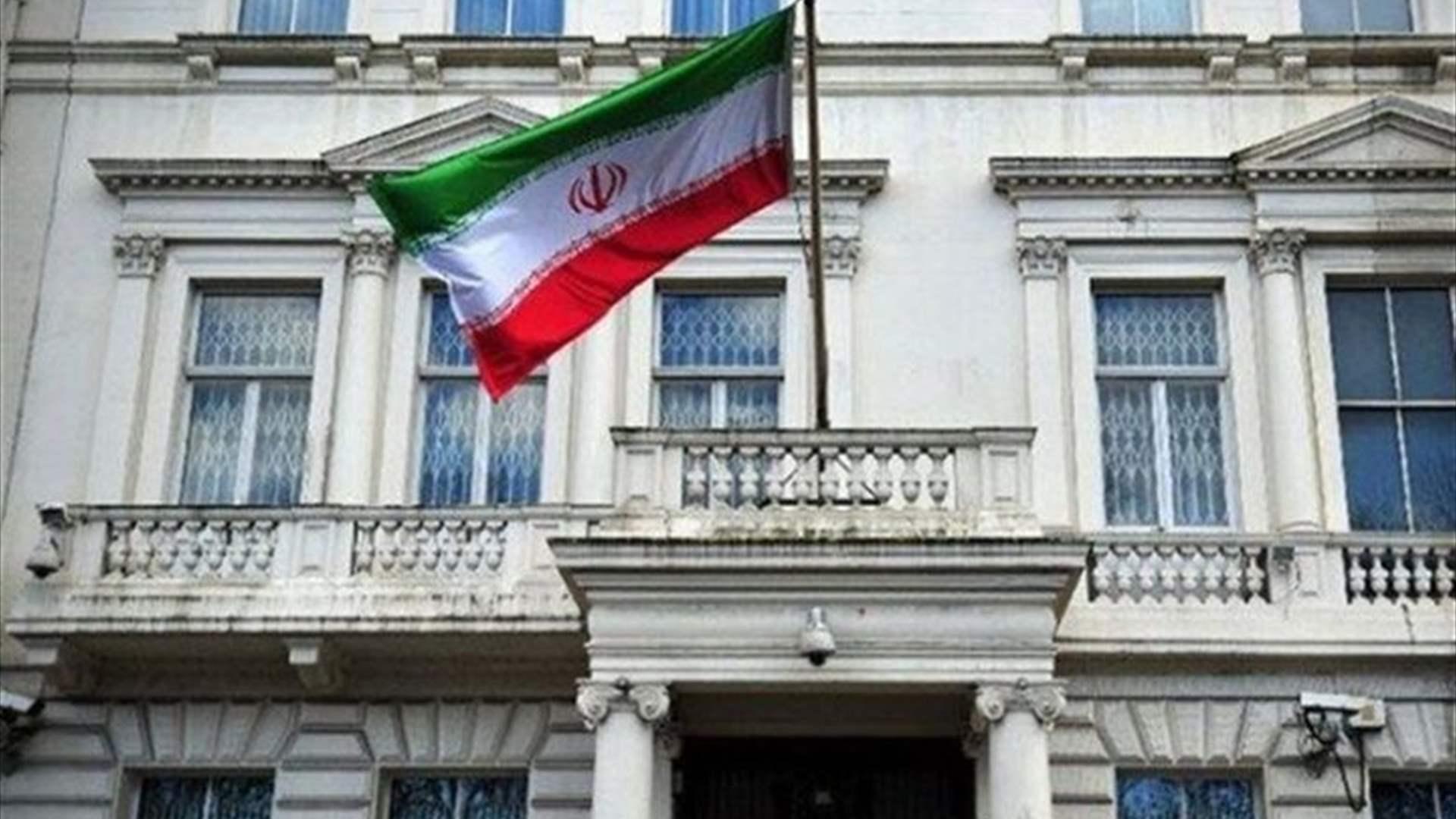
Regional powers expressed varying reactions to the missile strike incident.
Some Arab nations condemned Iran's action while others called for dialogue.
The incident highlights complex Middle Eastern alliances involving Iran and Hezbollah.
Lebanon's fragile political situation adds complexity to the regional dynamics.
Regional Implications
The incident occurs amid broader geopolitical shifts in the Middle East.
“By Vafa Guliyeva Israel’s Foreign Minister Gideon Sa’ar has expressed strong support for Lebanon’s move to expel Iran’s appointed ambassador, highlighting Tehran’s role in undermining Lebanon’s sovereignty”
Iran faces increased international pressure over nuclear program and regional activities.

The missile strike could impact ongoing diplomatic efforts in the region.
Lebanon's ongoing political and economic crisis may be further complicated.
Iran's direct military action suggests a harder-line foreign policy approach.
Reduced restraint in regional confrontations may signal amid tensions with Western powers.
More on Lebanon

Hezbollah attacks northern Israel; Israel expands buffer zone to Litani, plans long-term occupation
10 sources compared

Israel Strikes Across Lebanon, Targeting Hezbollah Infrastructure
58 sources compared
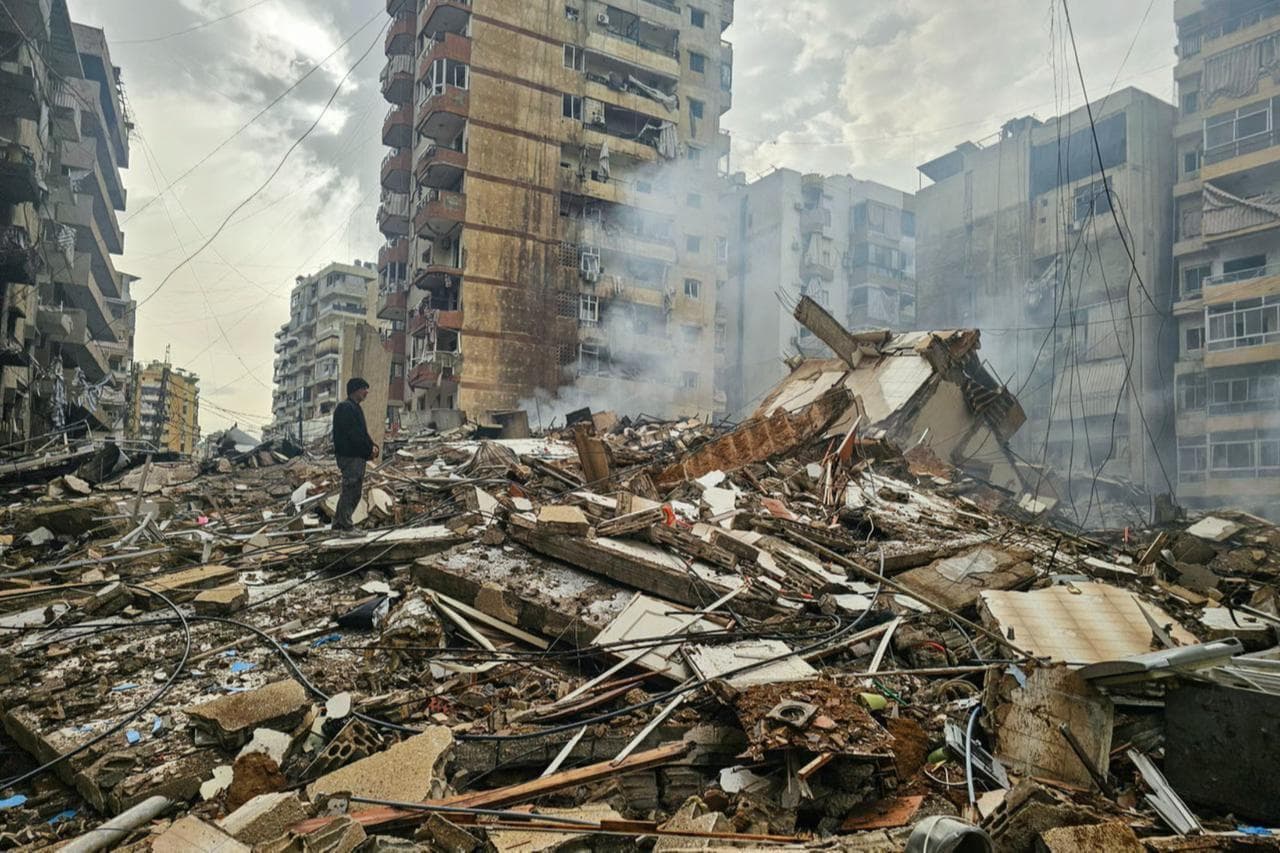
Finance Minister Bezalel Smotrich Calls for Annexation of Southern Lebanon
26 sources compared

Israel Destroys Bridges Over Litani River, Steps Up Border Demolitions Near Lebanon
19 sources compared