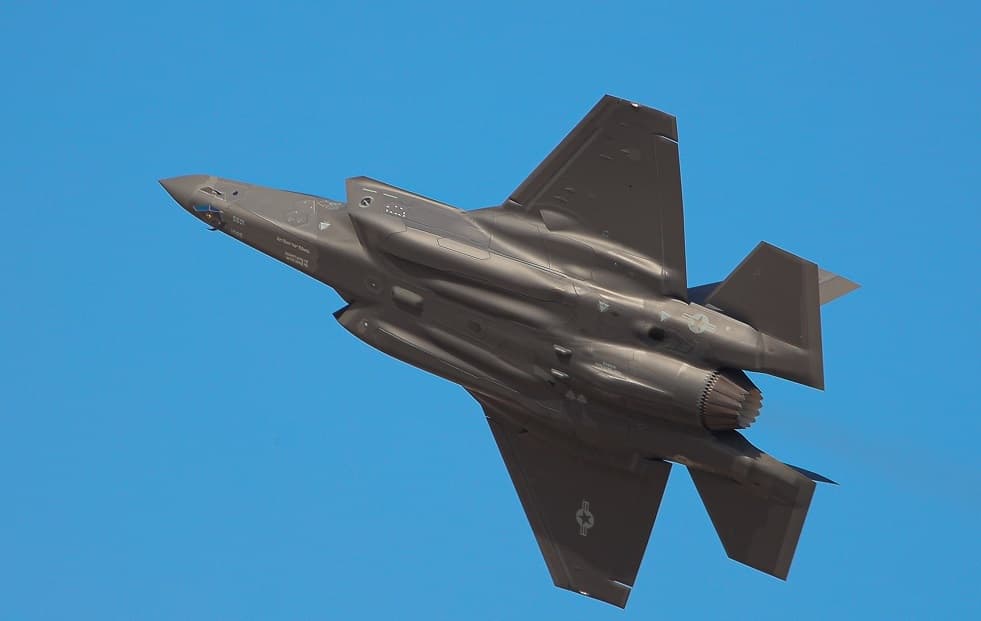
Iran Strikes U.S. F-35, Forces Emergency Landing
Key Takeaways
- US F-35 struck over Iran; executed emergency landing at regional base.
- IRGC claimed it shot down or damaged the F-35, signaling Iran's first known strike.
- CENTCOM said the pilot is in stable condition and the incident remains under investigation.
Incident Details
A significant military escalation occurred when Iran claimed to have successfully struck a U.S. F-35 stealth fighter jet over central Iran.
“US officials have not provided details on the extent of the damage or the exact cause, but earlier reports indicated the aircraft had been hit by hostile fire”
According to Iran's Islamic Revolutionary Guard Corps (IRGC), the fifth-generation stealth aircraft was targeted at approximately 2:50 a.m. local time using advanced domestic air defense systems.
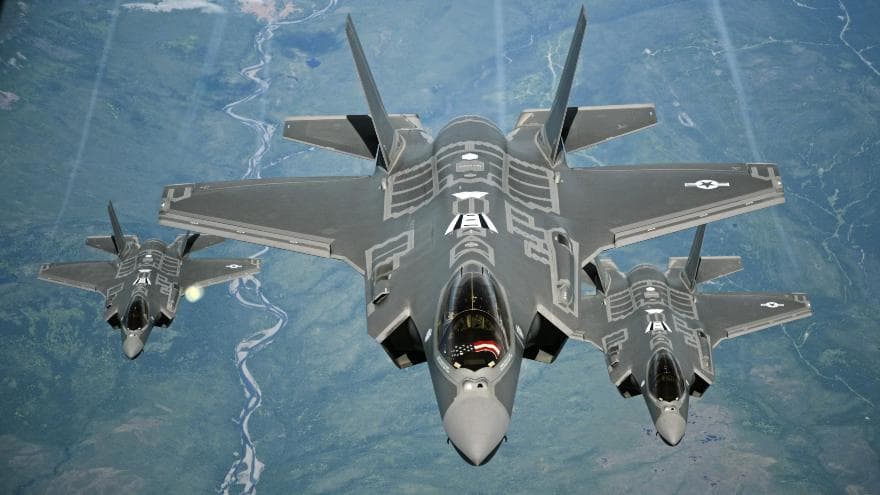
Iranian officials described the aircraft as having suffered 'serious damage' and potentially being a confirmed loss.
The IRGC statement emphasized this as a 'historic first' achievement for Iranian forces.
Meanwhile, U.S. Central Command confirmed the incident but maintained that the aircraft landed safely with the pilot in 'stable condition',
though they did not explicitly confirm it was shot down.
The incident marks the first known instance of Iran successfully hitting a U.S. aircraft during the ongoing conflict that began in late February 2026.
Strategic Impact
The strategic significance of this incident cannot be overstated, as it represents a major development in the ongoing conflict between Iran and the United States/Israel coalition.
The F-35 Lightning II, valued at approximately $100 million per aircraft, is considered one of the most advanced combat aircraft in service and a symbol of American technological supremacy.
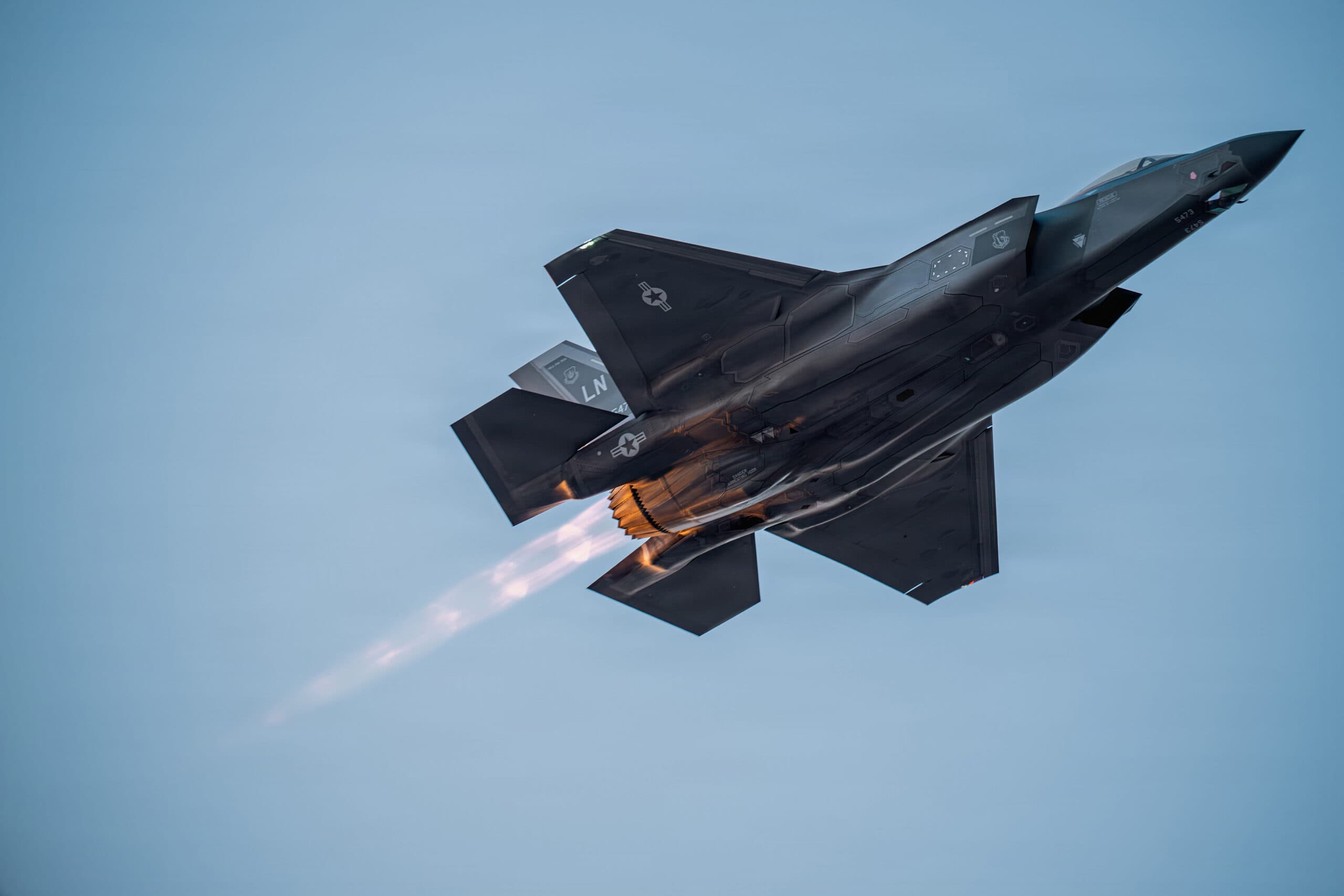
Iranian officials framed the incident within a broader narrative of evolving air defense capabilities, noting that it follows the successful downing of more than 125 US-Israeli drones by Iran's defense systems.
The IRGC statement claimed this 'successful interception indicates the existence of effective and directed changes in the country's integrated air defense systems.'
If confirmed as a direct hit by Iranian forces, this would represent a significant shift in the confrontation dynamics,
potentially challenging the perception of American air superiority over Iranian territory.
Narrative Clash
The incident reveals starkly contrasting narratives between Iranian and U.S. officials about the effectiveness of military operations.
“The Islamic Revolutionary Guard Corps (IRGC) announced that its air defenses shot down an American stealth fighter of the F-35 type over central Iran at dawn today, while Al Jazeera's Central Command said the fighter made an emergency landing at a U”
While Iran portrayed the successful targeting of the F-35 as evidence of their air defense improvements and resistance capabilities,
U.S. officials maintained that their campaign has significantly degraded Tehran's military capabilities.
U.S. Defense Secretary Pete Hegseth dismissed the incident, claiming that American forces are 'winning decisively' and that Iran's air defenses have been 'flattened.'
Hegseth's statements have been particularly controversial, with PressTV describing his views as extremist,
noting his military aggressions against Islamic nations as 'part of a larger crusade seeking to bring about Armageddon'
and highlighting his tattoos including the Jerusalem Cross and the phrase 'Deus Vult' ('God Wills It') - symbols associated with historical Crusades.
This rhetorical contrast underscores the deep divide in how the two sides perceive the conflict's progression and their respective military successes.
Conflict Context
The emergency landing incident occurred within a broader context of significant U.S. military losses and escalating regional violence.
Since the start of 'Operation Epic Fury' against Iran on February 28, the United States has recorded multiple aviation losses, though most were not due to enemy action.
Three F-15 fighter jets were downed by friendly fire in Kuwait, while a KC-135 refueling aircraft crashed in western Iraq, killing all six crew members on board.
U.S. officials have confirmed that at least 13 service members have been killed in the conflict, with around 200 troops wounded, most with non-life-threatening injuries.
Meanwhile, Iran has been launching retaliatory strikes, including attacks on Israeli oil refineries and Qatari gas facilities,
with Iranian officials warning of 'complete destruction' of energy infrastructure if their facilities are hit again.
The growing casualty figures and expanding scope of attacks suggest that despite both sides' claims of success,
the conflict continues to escalate with mounting human and economic costs.
More on Iran

Israel Attacks Iran's South Pars Gas Field, Sparks Regional Escalation
10 sources compared
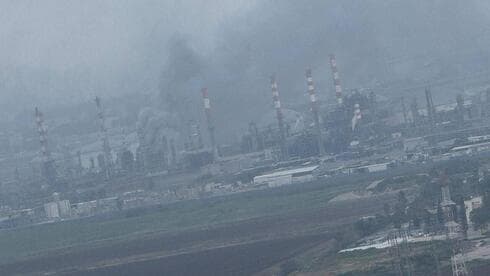
Iran Hits Bazan Refineries in Haifa Bay with Missiles, Triggers Hazard Assessment
14 sources compared

Iran Attacks Gulf Energy Facilities After South Pars Gas Field Strike
16 sources compared
Pentagon Seeks $200 Billion for Iran War, Awaiting Congressional Approval
15 sources compared