Iran Targets World's Busiest International Airport
Key Takeaways
- Iran's parliament speaker warned of unprecedented retaliation if Persian Gulf islands are attacked
- Iran attacked commercial ships in the Gulf
- Iran's strikes threaten global oil supplies
Attacks on Dubai airport
Iran carried out strikes that reached Dubai International Airport, described in reporting as "the world’s busiest international airport Wednesday," as part of a broader campaign that also sparked a major fire on Bahrain’s Muharraq Island and wounded civilians near Dubai, showing an escalation that has directly affected Gulf aviation and nearby residential areas.
“By SAM METZ JERUSALEM (AP) — Iran’s parliament speaker warned on Thursday that attacks on the Persian Gulf islands that form Iran’s southern maritime frontier would provoke a new level of retaliation, underscoring how central they are to the country’s economy and security”
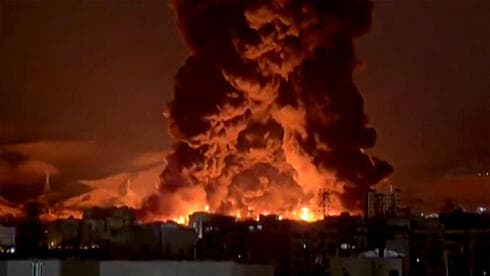
Authorities urged people to stay indoors and close windows to avoid smoke after the Muharraq Island fire, and reporters said "four people were wounded after two Iranian drones hit near Dubai International Airport."

Analysts and regional actors framed the strikes as part of an expanding list of potential targets raised by the U.S. and Israel, with Israeli opposition leader Yair Lapid publicly urging strikes on energy infrastructure such as Kharg Island to "cripple Iran’s economy and topple the regime."
Targets: energy and ports
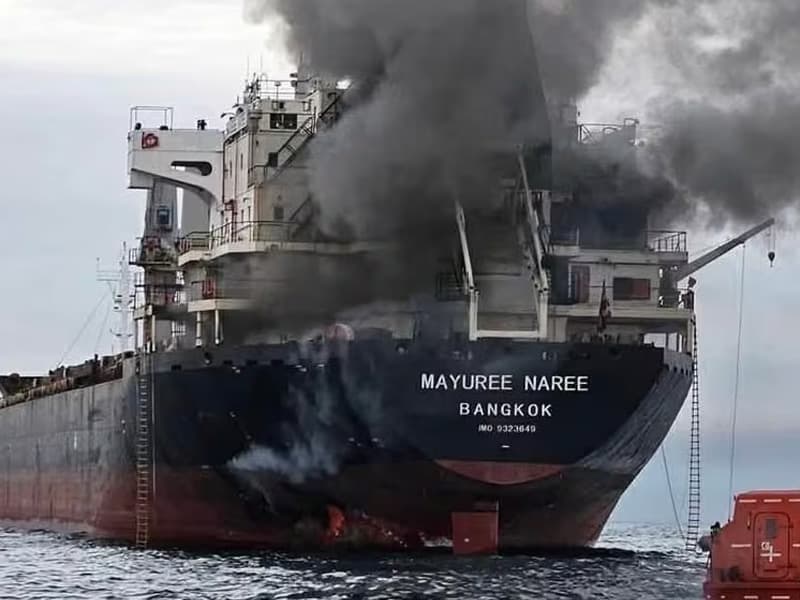
Reporting indicates Iran has deliberately targeted Gulf energy and shipping infrastructure — striking oil-related sites, ports and islands — actions that have interrupted cargo traffic through the Strait of Hormuz and hit facilities beyond military or nuclear installations, including desalination plants and commercial port areas.
Sources said Iran "has targeted oil fields and refineries in Gulf Arab nations and effectively stopped cargo traffic through the narrow Strait of Hormuz," which handles a fifth of traded oil.

Coverage also notes attacks on port facilities, including an incident at Iraq’s Basra port that killed at least one person and forced a halt to operations at the country’s oil terminals, and claims about strikes on desalination plants on islands such as Qeshm.
International response
The strikes prompted swift international concern and emergency energy measures: the U.N. Security Council approved a resolution demanding a halt to Iran’s "egregious attacks," while energy agencies and national reserves moved to cushion market disruption — the IEA agreed to release 400 million barrels from emergency reserves and the U.S. planned to release 172 million barrels from its Strategic Petroleum Reserve.
“By JON GAMBRELL, SALLY ABOU ALJOUD and LISA MASCARO, Associated Press DUBAI, United Arab Emirates (AP) — Iran targeted the world’s busiest international airport Wednesday and attackedcommercial shipsas U”
The U.N. vote was 13-0, with China and Russia abstaining and their envoys describing the draft as "extremely unbalanced."
Officials and analysts warned the strikes threaten global supplies and stability in a region critical to world energy and trade.
Economic stakes and risks
Analysts warn the economic and strategic stakes are high: Kharg Island and other Persian Gulf islands are described as pivotal nodes for Iran’s oil revenue and national functioning, meaning strikes there could instantly choke exports and provoke further retaliation that would deepen disruptions to shipping, fuel, and fertilizer supplies globally.
Experts called Kharg "the main node" of Iran’s economy and said losing control of it would make it difficult for the country to function, even if it is not a military or nuclear target.
Financial firms warned that a direct strike on Kharg "would immediately halt the bulk of Iran’s crude exports, likely triggering severe retaliation in the Strait of Hormuz or against regional energy infrastructure."
More on Iran
US Bombs Military Sites on Iran's Kharg Island
10 sources compared
Iran Closes Strait of Hormuz, Chokes Global Shipping and Pushes U.S. Retail Prices Higher
41 sources compared
President Donald Trump Orders US Bombing of Iran's Kharg Island, Says Targets 'Totally Obliterated'
18 sources compared
US obliterates military targets on Iran’s Kharg Island, Trump warns
13 sources compared