
Iran Threatens Gulf Energy Facilities After Israel Strikes South Pars Gas Field
Key Takeaways
- Iran threatens counterstrikes on Gulf energy facilities across Saudi Arabia, UAE, and Qatar.
- The threats follow Israeli strikes on Iran's South Pars gas field and related attacks.
- Oil market reaction: prices spike as Gulf energy disruptions raise supply concerns.
Retaliation Threats
Iran has threatened to attack energy infrastructure across the Gulf region in retaliation for Israeli strikes on its largest gasfield.
“Energy costs are the single largest input for Bitcoin miners”
The South Pars field represents the first targeted attacks on Iran's fossil fuel production since the war began.
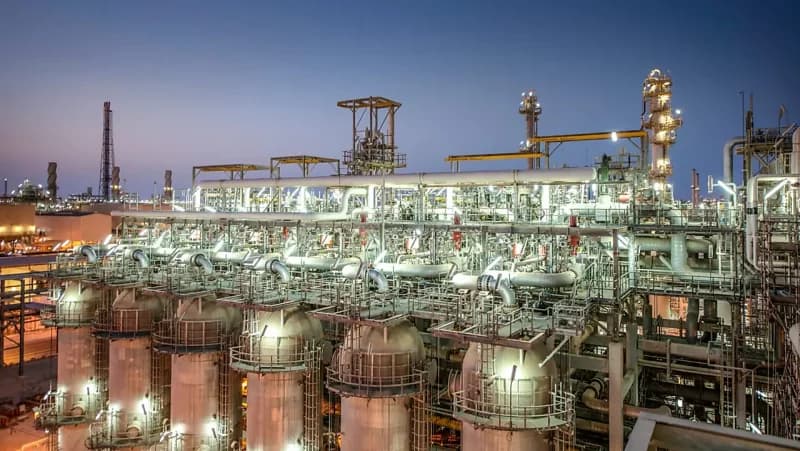
Iran's Revolutionary Guards threatened counterstrikes on energy facilities across Saudi Arabia, the UAE and Qatar 'in the coming hours'.
Israeli media widely reported the strikes were carried out by Israel with US consent.
Tehran authorities confirmed the death of Intelligence Minister Esmail Khatib after an overnight strike.
Economic Warfare Shift
The South Pars gasfield represents a central pillar of Iran's economy and global energy security.
Together with Qatar's North Dome, it forms the world's largest natural gas field with massive reserves.
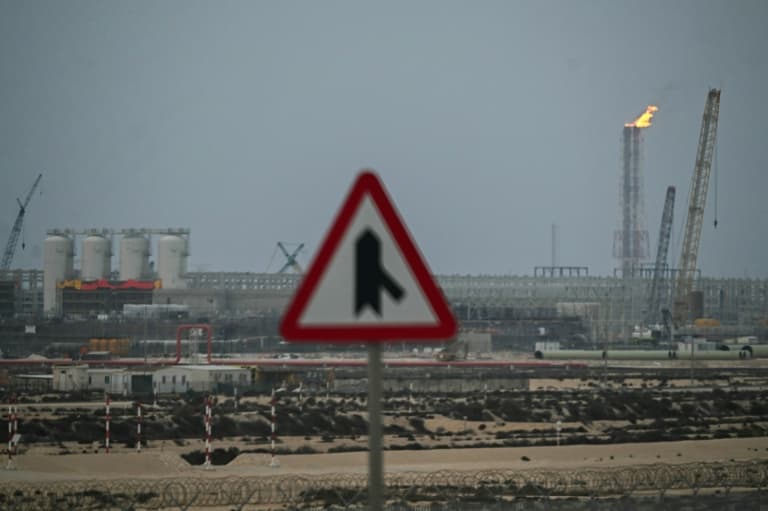
Iran's share accounts for roughly 36 percent of its proven gas reserves and about 5.6 percent of global reserves.
Israeli strikes mark a shift from military confrontation to economic warfare centered on energy.
Iran responded by issuing swift evacuation orders for energy infrastructure across the Persian Gulf.
Targeted Facilities
Iran issued specific evacuation orders and threat lists naming multiple energy facilities across Gulf states.
“Bassyonni19 Mar 2026 Bassyonni19 Mar 2026 Bassyonni19 Mar 2026 Bassyonni19 Mar 2026 Bassyonni19 Mar 2026 Bassyonni19 Mar 2026 Bassyonni19 Mar 2026 Bassyonni19 Mar 2026 Bassyonni19 Mar 2026 Bassyonni19 Mar 2026 Bassyonni19 Mar 2026 Bassyonni19 Mar 2026 Bassyonni19 Mar 2026 Bassyonni19 Mar 2026 Bassyonni19 Mar 2026 Bassyonni19 Mar 2026 Bassyonni19 Mar 2026 Bassyonni19 Mar 2026 Bassyonni19 Mar 2026 Bassyonni19 Mar 2026 Bassyonni19 Mar 2026 Bassyonni19 Mar 2026 Bassyonni19 Mar 2026 Bassyonni18 Mar 2026 Bassyonni18 Mar 2026 In a conflict already spilling beyond borders,ras laffanhas been publicly named in an Iranian warning that framed Gulf oil and gas sites as potential retaliation targets after an offshore strike on South Pars—an escalation that collides with Gulf governments’ repeated insistence that vital civilian infrastructure must be kept out of the line of fire”
The Islamic Revolutionary Guard Corps designated specific facilities as 'direct and legitimate targets'.
Iran followed through on these threats by launching successful attacks that caused significant damage.
The most serious strike hit Qatar's Ras Laffan LNG terminal, causing fires and 'extensive damage'.
Saudi Arabia and UAE also reported attacks on their energy facilities.
Market Impact
The attacks sent shockwaves through global energy markets, causing significant price surges.
Oil prices climbed towards $110 per barrel due to concerns about supply disruptions.

Global oil was up about 5% at $108 per barrel, with Brent crude increasing approximately 5%.
The Strait of Hormuz remained essentially closed, further choking global oil supplies.
Analysts warned the loss of output could impact over 1.25 million barrels per day of refining capacity.
International Condemnation
Gulf states strongly condemned the attacks on their energy infrastructure.
“An Israeli airstrike hit Iran’s South Pars gas field – the world’s largest – on Wednesday, triggering a spike in energy prices as Tehran unleashed a wave of attacks on oil infrastructure across the region”
Qatar's Foreign Ministry condemned both the Israeli strike and Iran's retaliatory attack.
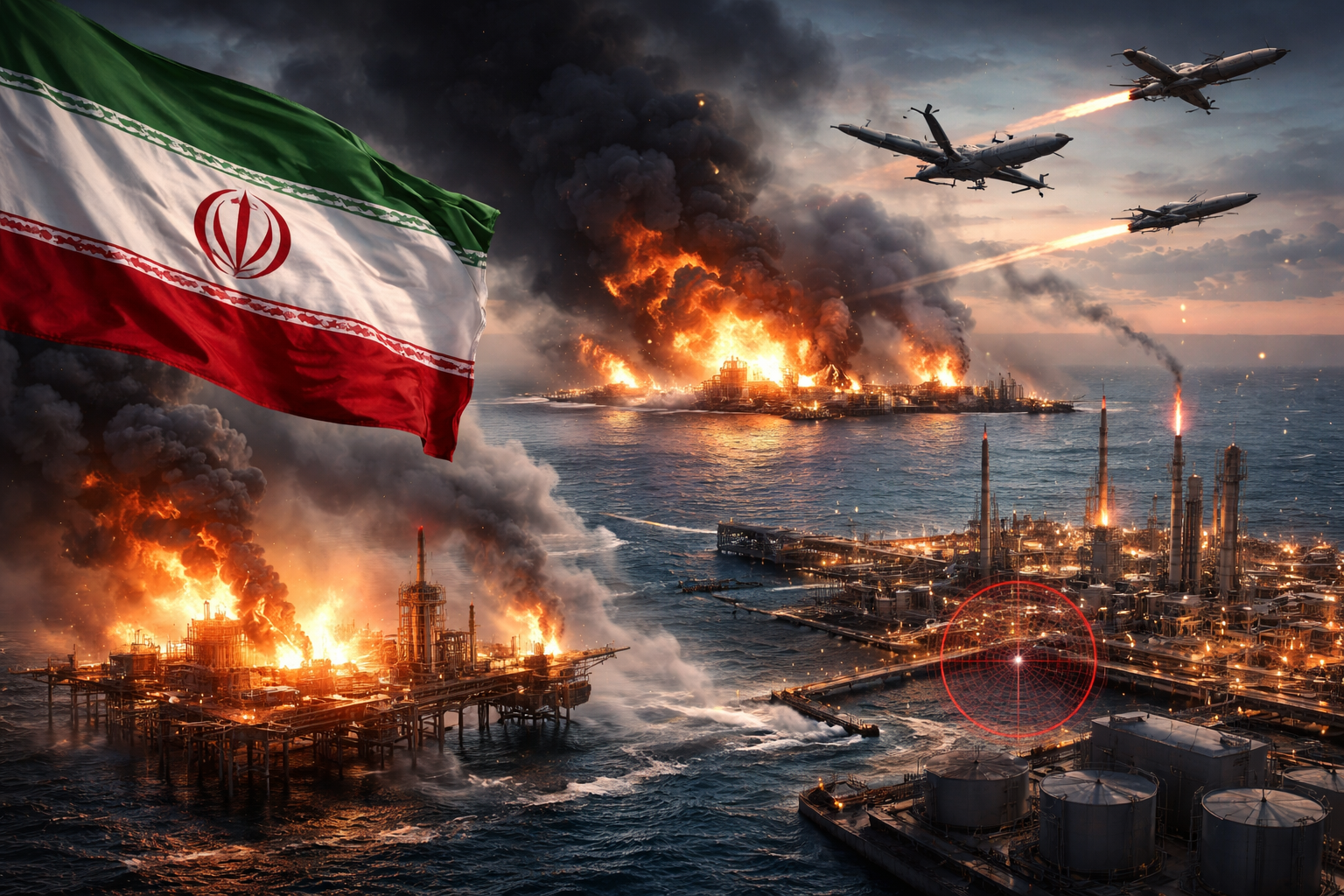
Qatar described the Israeli strike as 'a dangerous & irresponsible step' threatening global energy security.
The UAE condemned the attacks as direct threats to regional and global energy security.
French President Macron called for a moratorium on strikes targeting civilian infrastructure.
Strategic Implications
The conflict has crossed a threshold into attacks on upstream gas production facilities.
The public listing of specific targets transforms energy security into immediate operational risk.
This creates a feedback loop where attacks heighten fears and incentivize further coercive signaling.
Even as Gulf states seek an 'off-ramp,' the dispute has moved into explicit targeting lists.
Global energy security planners view this as the scenario that 'keeps them up at night'.
More on Iran

Israel strikes Iran's Pars gas field as Tehran vows revenge
14 sources compared
Trump threatens to blow up South Pars gas field if Iran attacks Qatar again
10 sources compared
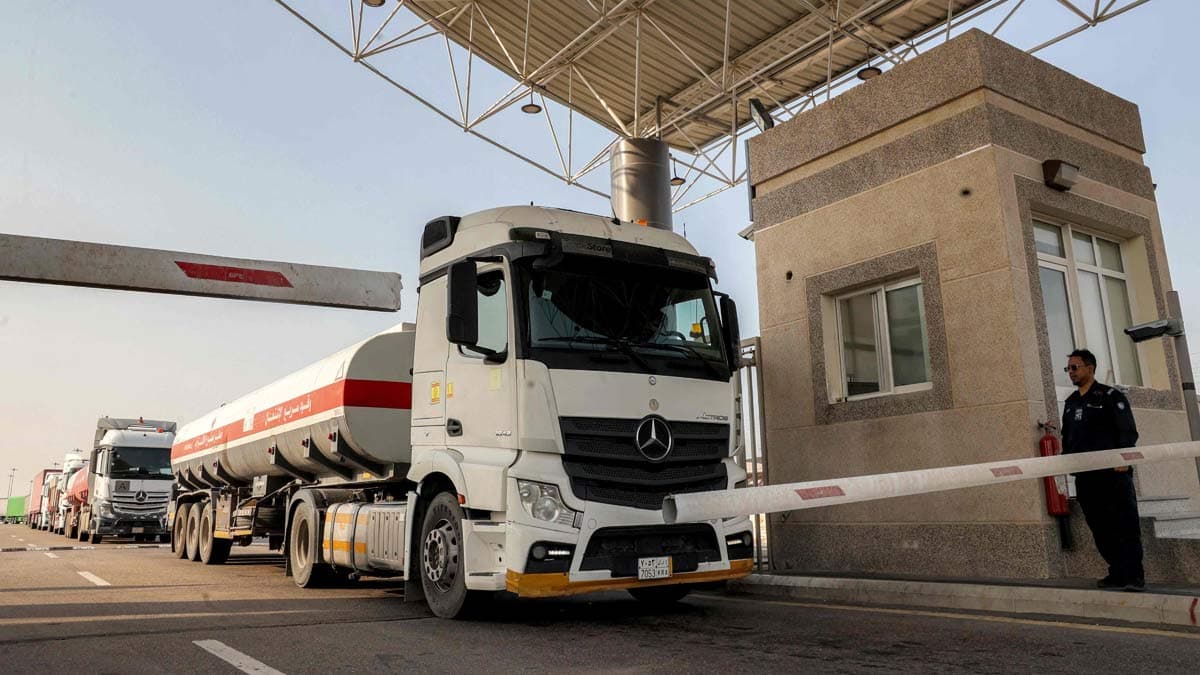
UAE Halts Habshan Gas Facility Operations After Debris From Intercepted Missiles
10 sources compared
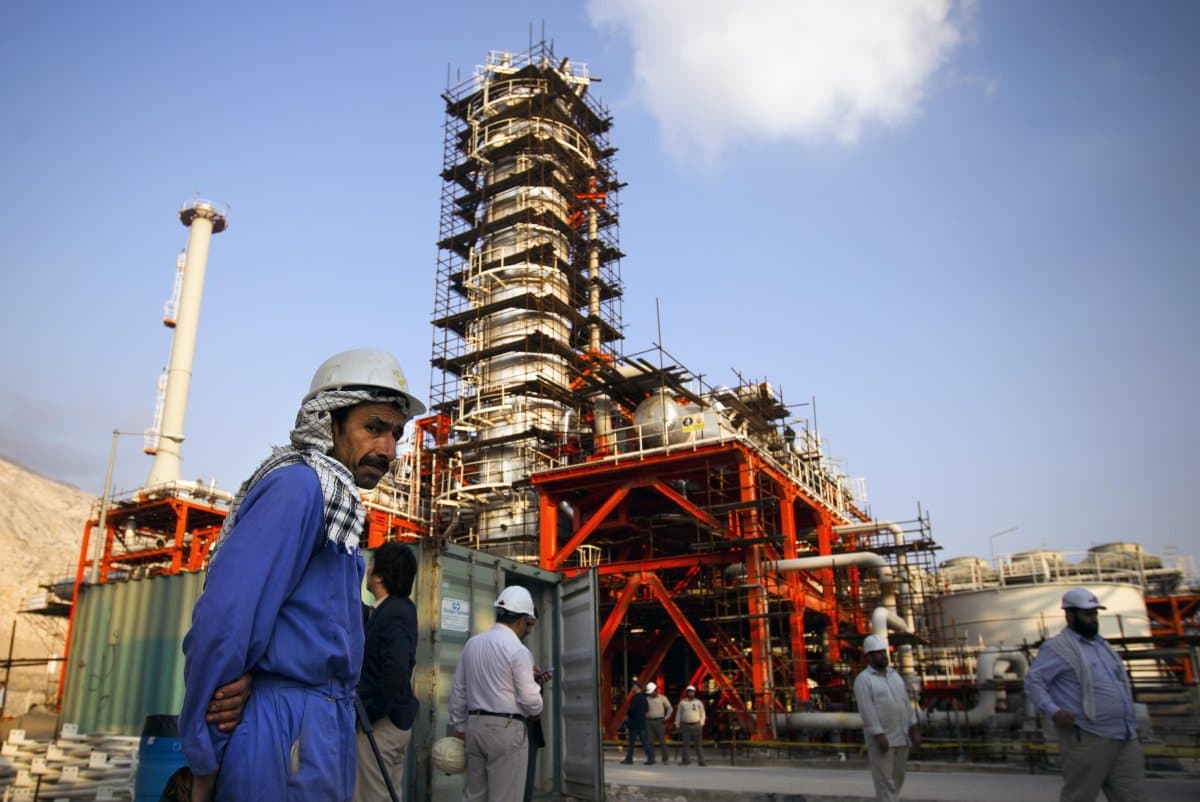
Israel Attacks South Pars Gas Field; Iran Retaliates With Strikes on Gulf Energy Hubs
13 sources compared