
Israel strikes Iran's Pars gas field as Tehran vows revenge
Key Takeaways
- Israel strikes Iran's Pars gas field, causing damage and energy disruption.
- Iran vows retaliation, targeting Gulf energy infrastructure after the Pars strike.
- Oil prices rose, Brent above $110 per barrel following the strike.
Israeli Gas Field Strike
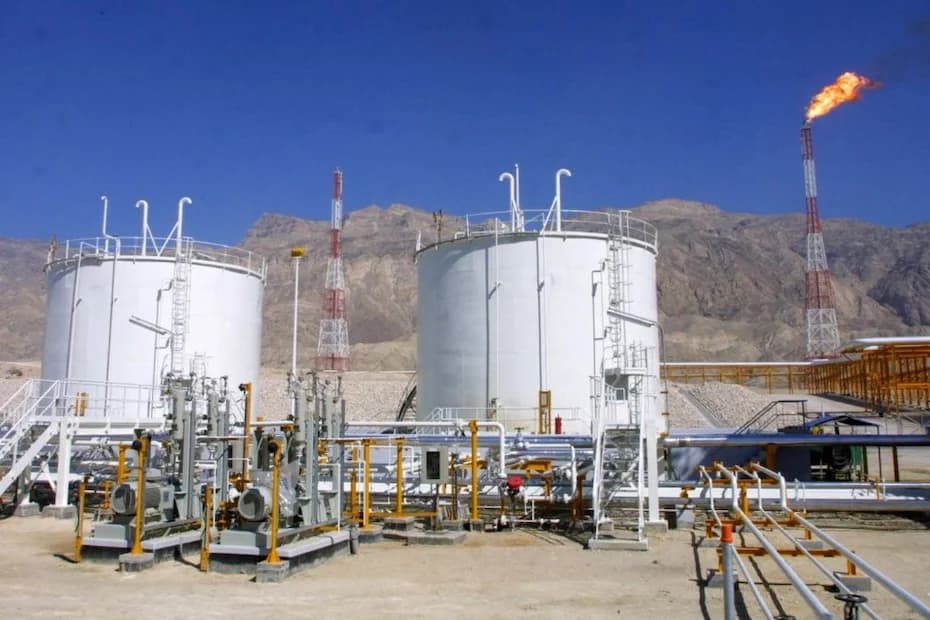
Israel launched a significant strike on Iran's South Pars natural gas field, the world's largest such resource shared with Qatar.
“Tehran intensifies attacks on Gulf energy facilities after Israel hits Iranian gas field Tehran intensifies attacks on Gulf energy facilities after Israel hits Iranian gas field DUBAI, United Arab Emirates (AP) — Iran intensified its attacks on its Gulf Arab neighbors’ energy infrastructure Thursday, setting Qatari liquified natural gas facilities ablaze as it hit back following an Israeli attack on its main natural gas field, a major escalation in the Mideast war that has sent global fuel prices soaring”
The attack targeted a critical energy infrastructure that supplies 80% of Iran's domestic natural gas needs.
Iranian President Masoud Pezeshkian condemned the strike as a grave error that would lead to "uncontrollable consequences".
Israeli Defense Minister Israel Katz promised "significant surprises" to come in response.
The strike came after Israel had already killed top Iranian security officials including Ali Larijani and Gen. Gholam Reza Soleimani.
This attack represents Israel's most direct targeting of Iranian energy infrastructure since the conflict began on February 28.
Iranian Retaliation Escalation
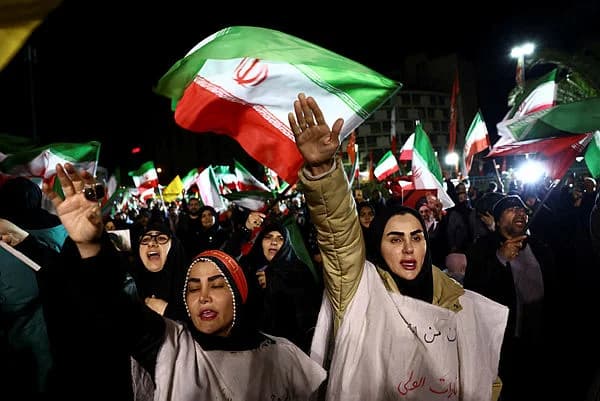
Iran swiftly retaliated against the Israeli strike by launching attacks on the energy infrastructure of multiple Gulf Arab nations.
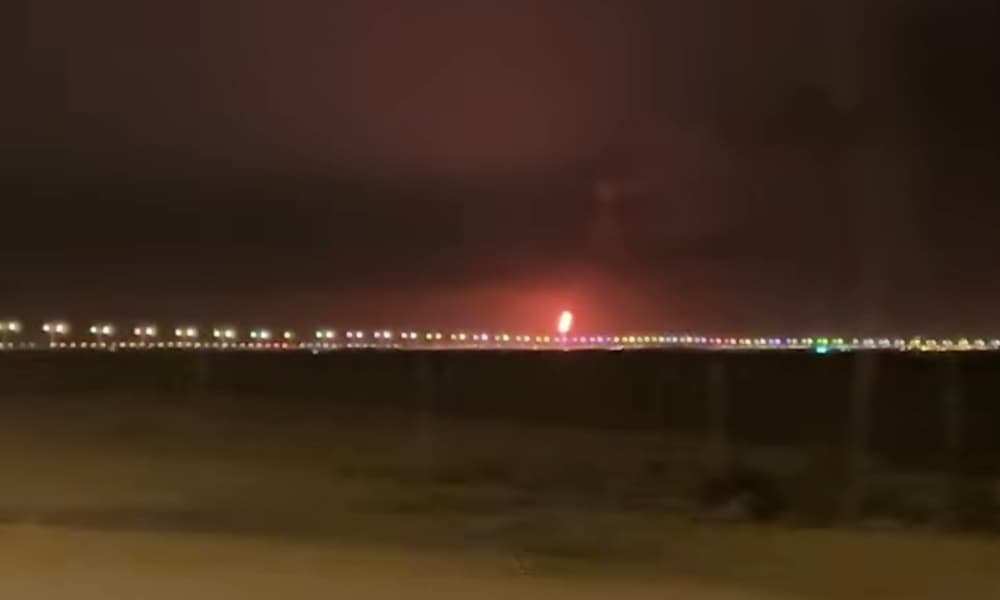
The attacks hit Qatar's massive Ras Laffan liquefied natural gas facility with missiles that caused "extensive damage" and sparked fires.
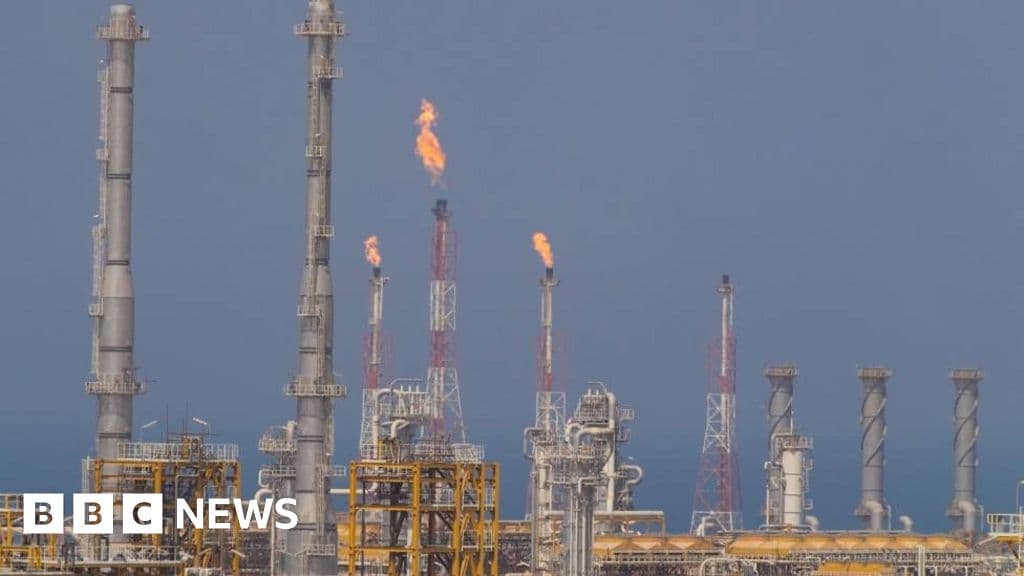
Iran also targeted Saudi Arabia's Eastern Province home to its oil fields, as well as Kuwait, Bahrain, and the United Arab Emirates.
Qatar Energy reported that the missile strike caused "sizeable fires and extensive further damage" to the facility.
The Ras Laffan facility handles roughly 20% of the world's LNG supply and serves Europe, Asia, and beyond.
The United Arab Emirates condemned the attacks as "a dangerous escalation" while Oman called them a threat to regional security.
Global Economic Impact
The escalation in targeting energy infrastructure has sent global oil prices soaring to unprecedented levels.
“By JON GAMBRELL, SAMY MAGDY and JAMEY KEATEN, Associated Press DUBAI, United Arab Emirates (AP) — Israel killed another top Iranian official — the intelligence minister — in its campaign against the Islamic Republic’s leadership, and reportedly attacked an Iranian offshore natural gas field Wednesday amid the war’s escalating pressure on the region’s economic lifeblood: energy”
Brent crude has climbed over 50% since the war began on February 28 to reach above $108-110 per barrel.
The price surge has immediate economic consequences worldwide.
Gasoline prices have risen to an average of $3.86 per gallon in the U.S.
Diesel prices have exceeded $5 per gallon, marking the first time since the 2022 inflation surge.
The Trump administration has responded by waiving shipping mandates and easing sanctions on Venezuela.
Regional Disruptions
The conflict has created significant logistical challenges as airlines worldwide have suspended flights.
Major carriers including Air France KLM, British Airways, Lufthansa Group, Delta, Emirates, and Etihad have cancelled flights to Middle Eastern destinations.

Some flight suspensions extend through April or May due to safety concerns.
The disruptions reflect broader regional instability caused by the war.
The first fatalities were reported in the occupied West Bank when an Iranian missile hit Beit Awa.
At least three people were killed and 13 others injured in the West Bank attack.
Continuing Escalation
Iran's Islamic Revolutionary Guard Corps (IRGC) vows to continue attacking energy infrastructure.
“Global air travel remains severely disrupted after the war in Iran forced the closure of key Middle Eastern hubs including Dubai, Doha and Abu Dhabi, stranding tens of thousands of passengers”
The IRGC stated that subsequent attacks "will not cease until their complete destruction" if targeting continues.
The USS Gerald R. Ford aircraft carrier is heading to Crete for repairs after a fire.
This reduces U.S. military presence to just one aircraft carrier in the region.
House Speaker Mike Johnson says mission objectives "have been met" and are "virtually accomplished now".
He acknowledged the total cost "could not be calculated yet" while the operation continues.
More on Iran

Israel Strikes Iranian South Pars Gas Field in Coordination With U.S.
13 sources compared
Iran Attacks Ras Laffan LNG Hub in Qatar, Causes Extensive Damage
22 sources compared
Iran Threatens to Strike Gulf Energy Facilities After South Pars Gas Field Hit
13 sources compared
Trump weighs deploying thousands of US troops to the Middle East as Iran war escalates
12 sources compared