
Israel Strikes Iranian South Pars Gas Field in Coordination With U.S.
Key Takeaways
- Israel launched an airstrike on Iran's South Pars gas field jointly operated with Qatar.
- Iran retaliated with attacks on Gulf energy infrastructure, including Ras Laffan in Qatar.
- Reports conflict on U.S. coordination with Israel; some say yes, others deny.
Strategic Strike
Israel conducted a significant airstrike on Iran's South Pars gas field—the world's largest natural gas reserve—marking a major escalation in the ongoing Middle East conflict.
“Trump threatens to strike world’s largest gas field if Iran attacks Qatar again The Strait of Hormuz is a small strip of water connecting the Persian Gulf to the world’s oceans”
Multiple reports indicate the strike may have been coordinated with the United States, suggesting a new level of strategic alignment between the two nations.
The attack targeted critical energy infrastructure shared between Iran and Qatar, damaging Iran's Asaluyeh refinery and halting production at two refineries normally producing about 100 million cubic meters of gas daily.
While U.S. officials initially claimed no advance knowledge, sources revealed the Trump administration was informed about Israeli plans but did not take direct part in the operation.
This represents a dramatic shift from the U.S. position just a week earlier when officials were reportedly 'dismayed' by Israeli bombing of Iranian oil depots.
Iranian Retaliation
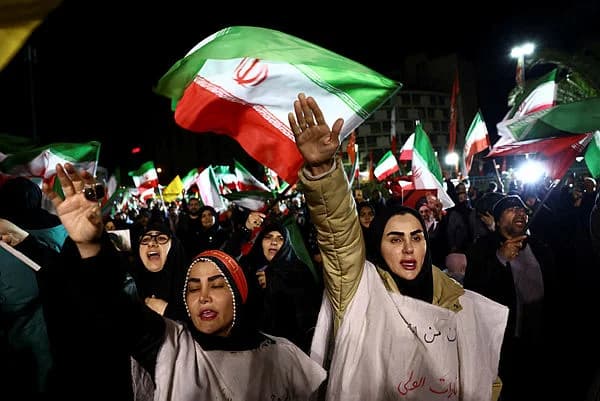
Iran responded swiftly and forcefully to the Israeli attack, with President Ebrahim Raisi warning of 'uncontrollable consequences' for further attacks.
This warning reflects Tehran's doctrine of deterrence cultivated over decades, indicating Iran possesses multiple response options including direct military retaliation, cyberattacks, or actions through allied groups.

The Iranian regime retaliated by launching a wave of strikes on energy infrastructure across the Persian Gulf, hitting Qatar's key natural gas sites and causing 'extensive damage' that sparked major fires.
Qatar's state oil giant QatarEnergy confirmed attacks on its Ras Laffan Industrial City, describing the damage as 'extensive' while emergency response teams worked to contain the resulting fires.
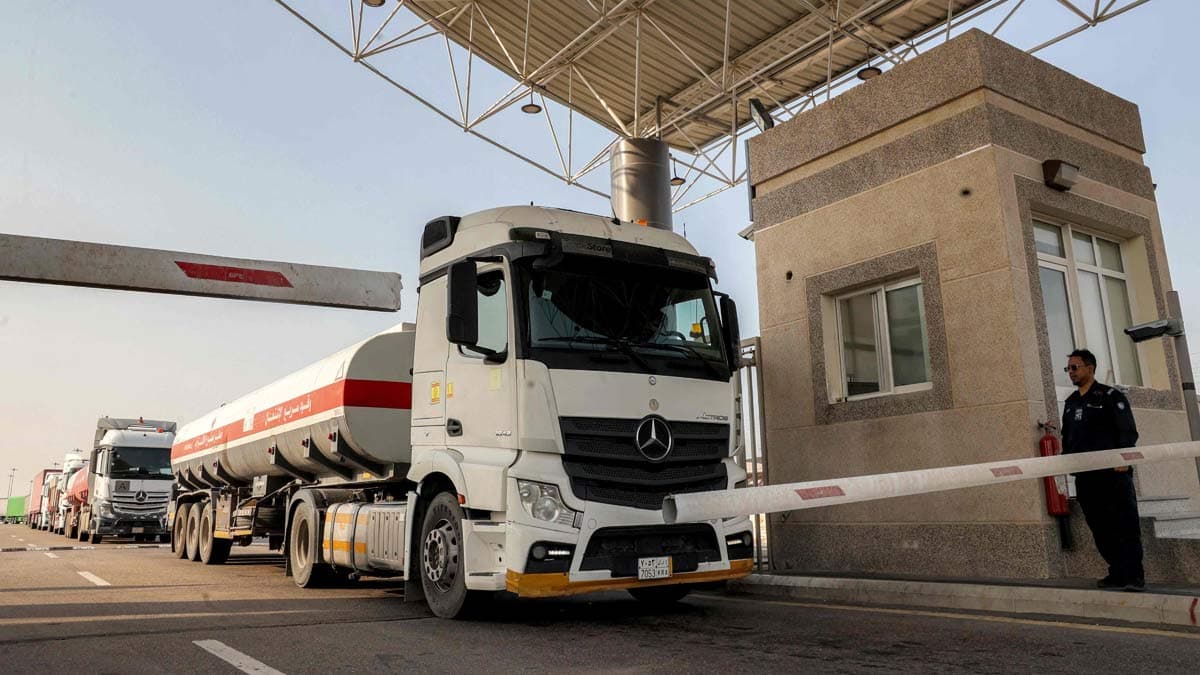
The UAE also suspended operations at two Abu Dhabi natural gas sites following Iranian strikes, while Iran's central military command directly warned that a severe response was imminent.
Market Impact
The attack on the South Pars gas field triggered immediate global economic repercussions, with energy markets reacting violently to the escalation.
“Attacks on Middle Eastern nations continued through the night after Iran threatened to hit US-linked "oil and gas refineries" in the Gulf following a strike on its South Pars gas field”
Brent crude oil futures soared to nearly $111 per barrel in the wake of the strikes, after opening at around $101, representing a dramatic 5% surge.
This price increase raised the cost of gasoline and other goods while squeezing the global economy, with gasoline prices in the United States reaching $3.84 per gallon.
The attack raised fears of Iranian retaliation on Gulf energy infrastructure, creating uncertainty about future supplies from the region through which one-fifth of the world's oil travels.
Qatar warned that additional Iranian missile attacks damaged more liquefied natural gas sites, 'causing sizable fires and extensive further damage,' potentially delaying supply restoration.
Escalation Risks
The military and political consequences of the gas field strike represent a significant escalation in the U.S.-Israeli war with Iran.
Experts describe Israel's decision as 'a clear expansion of the conflict,' noting that unlike oil storage depots, liquified natural gas production facilities cannot be easily repaired during wartime.

U.S. President Donald Trump attempted to de-escalate tensions by pledging that Israel would make no more attacks on Iran's South Pars gas field.
Simultaneously, Trump threatened to 'massively blow up the entirety' of the field if Iran attacked Qatar again, despite claiming the U.S. 'knew nothing' about the original Israeli strike.
The Arab summit ended with a unified call from Gulf Arab countries for Iran to halt attacks on its neighbors, denouncing attacks on civilian infrastructure.
The conflict continues to exact a heavy human toll, with the war having killed at least 1,300 people in Iran, more than 960 in Lebanon and 14 in Israel.
More on Iran

Iran Attacks Gulf Energy Facilities, Sends Oil Prices Higher
54 sources compared
Iran Threatens to Strike Gulf Energy Facilities After South Pars Gas Field Hit
13 sources compared
Trump weighs deploying thousands of US troops to the Middle East as Iran war escalates
12 sources compared
UAE Halts Habshan Gas Facility Operations After Debris From Intercepted Missiles
10 sources compared