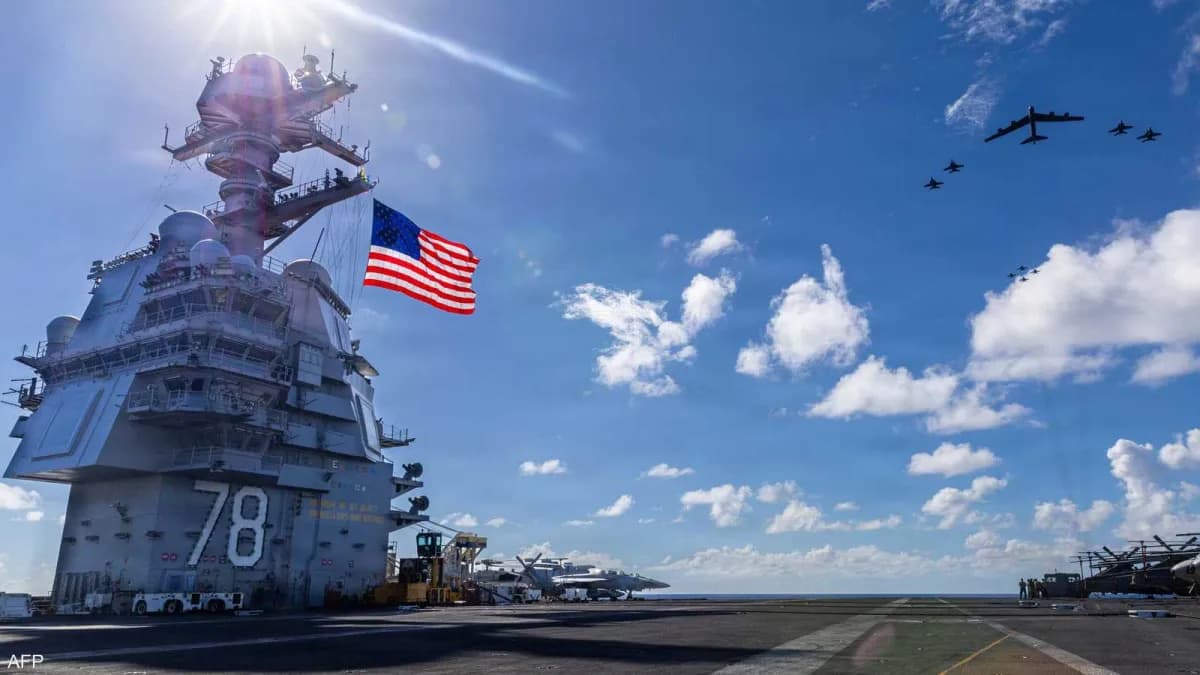
Iran Threatens to Target US Carrier Support Centers in Red Sea
Key Takeaways
- Iran designates Red Sea logistics centers serving the carrier as targets.
- Iran will target its regional support centers tied to the carrier.
- The US carrier is present in the Red Sea.
Iran's Target Declaration
Iran's Islamic Revolution Guards Corps (IRGC) has issued a formal warning declaring all logistical and service centers supporting the US aircraft carrier USS Gerald R. Ford in the Red Sea as legitimate targets for Iranian armed forces.
“The Islamic Revolution Guards Corps (IRGC) has issued a warning that all logistical and service centers supporting the US aircraft carrier USS Gerald R”
The warning comes as the American nuclear-powered aircraft carrier takes refuge at Saudi Arabia's Jeddah port, with Iranian officials viewing its presence as a direct threat to national security.
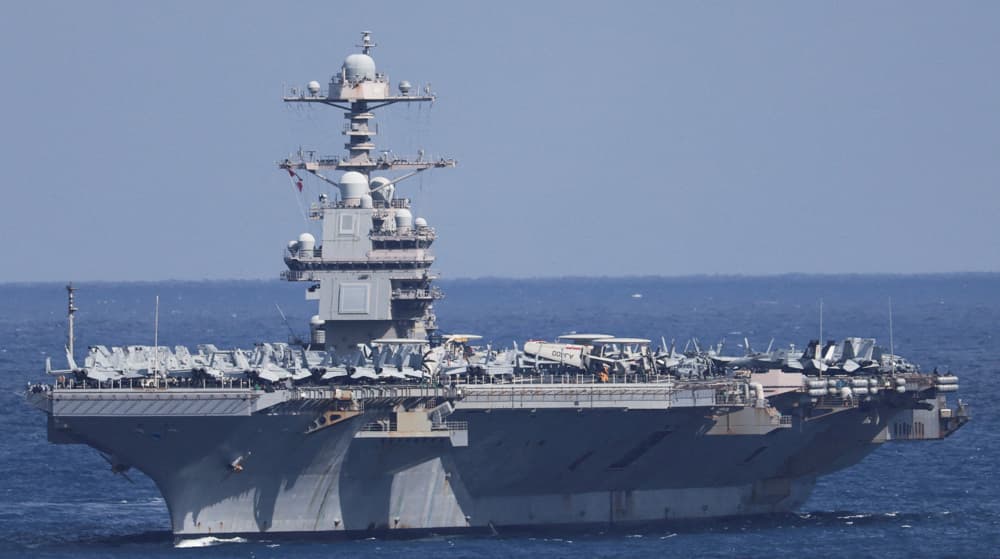
The IRGC spokesman emphasized that support infrastructure enabling the carrier's operations, including maintenance facilities and supply chains, are now considered targets rather than merely the vessel itself.
This development represents a significant escalation in regional tensions as Iran positions itself to respond to what it perceives as hostile military presence in its strategic waters.
Target Strategy Details
The specific nature of Iran's threat focuses on the logistical backbone that sustains carrier operations rather than direct naval confrontation.
Iranian officials have identified maintenance facilities, supply chains, and service centers as the primary targets, indicating a strategy of disrupting the carrier's operational capability rather than engaging in direct ship-to-ship combat.
This approach represents a calculated military response that aims to neutralize the threat posed by the USS Gerald R. Ford while minimizing the risk of broader conflict escalation.
The warning specifically addresses the infrastructure that enables the carrier's continued presence and effectiveness in the Red Sea region.
Tensions Context
The warning comes in the context of heightened military tensions following what Iran describes as American and Israeli aggression that began on February 28th.
“The Islamic Revolution Guards Corps (IRGC) has issued a warning that all logistical and service centers supporting the US aircraft carrier USS Gerald R”
Iranian officials claim this aggression resulted in hundreds of civilian casualties and targeted civilian infrastructure including schools, hospitals, and mosques.
Iran has characterized these actions as attacks on Iranian capabilities and civilian populations, providing the justification for their military response.
The timing of the carrier's movement to the Red Sea and Iran's subsequent warning suggests a direct correlation between perceived American military threats and Iran's determination to establish deterrence through demonstrated capability to strike at support infrastructure.
Iran's Response Operation
In direct response to the perceived aggression, Iran has launched Operation 'True Promise 4' targeting both the Zionist entity and American bases in the region.
This operation represents Iran's active military response to the February 28th attacks and serves as a demonstration of Iran's capability and willingness to strike at what it considers legitimate military targets.
The operation name itself suggests a continuation of previous military actions and indicates that Iran views its response as part of an ongoing defensive posture against what it perceives as persistent Western and Israeli hostility.
The timing of both the American carrier's movement to the Red Sea and Iran's operational response suggests a carefully calibrated escalation in the regional military standoff.
Regional Implications
The implications of Iran's warning extend beyond immediate military considerations to broader regional stability and international maritime security.
“The Islamic Revolution Guards Corps (IRGC) has issued a warning that all logistical and service centers supporting the US aircraft carrier USS Gerald R”
By declaring support infrastructure as legitimate targets, Iran is challenging traditional naval warfare doctrines and potentially setting precedents for how asymmetric powers can counter superior naval forces.
The USS Gerald R. Ford, as a nuclear-powered aircraft carrier, represents significant American military power projection capabilities, and Iran's targeting of its logistical support network demonstrates a strategy of asymmetric warfare.
This development raises concerns about the safety of commercial shipping lanes in the Red Sea and the potential for escalation into a wider regional conflict involving major international powers.
More on Iran
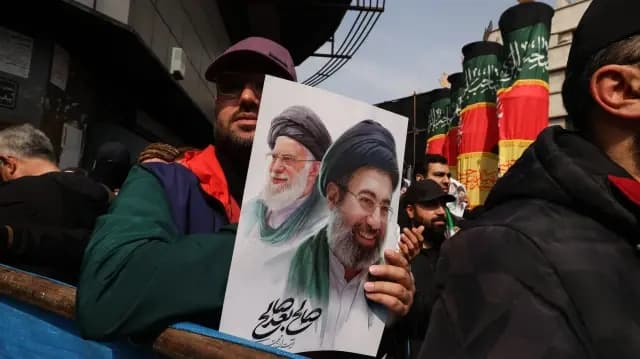
Russia Secretly Airlifts Iran's Supreme Leader Mojtaba Khamenei to Moscow for Surgery
11 sources compared
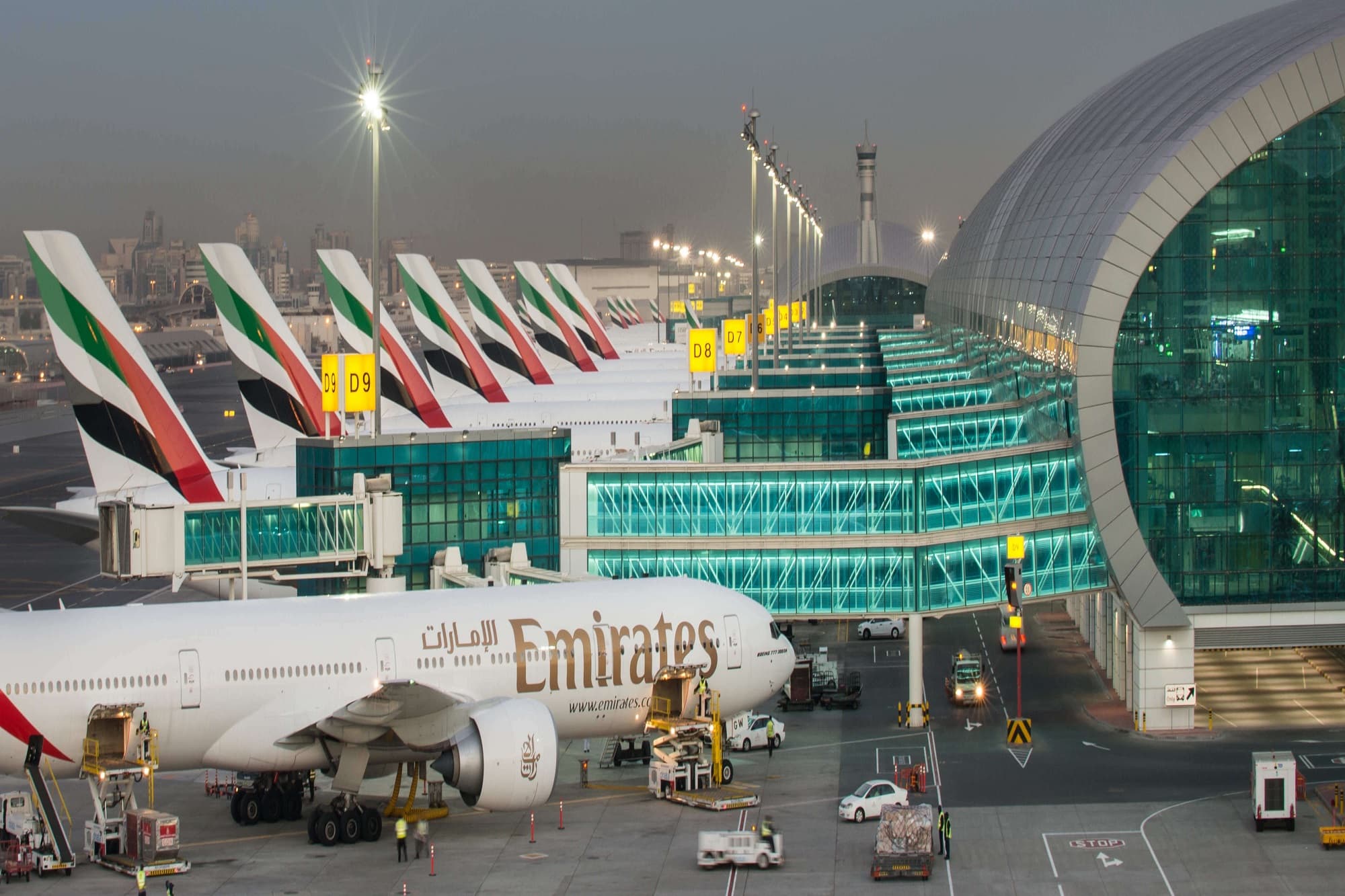
Iranian Drone Strike Shuts Dubai International Airport, Thousands Stranded
25 sources compared

Iran Drone Strike Shuts Dubai International Airport, Triggers Global Travel Disruption
16 sources compared

Iran's New Supreme Leader Mojtaba Khamenei Travels to Moscow for Leg Surgery
15 sources compared