Iran15 March, 20264 min read
Iran Vows to Outlast US-Israeli War as US Officials Predict Quick End
This article is an automated aggregation of coverage from news outlets. Our editorials offer in-depth analysis curated by the NewsCord team.
US officials forecast end of US-Israeli war on Iran within weeks Iran vows to outlast foes and defend itself

War Duration Predictions
The ongoing US-Israeli war against Iran has created a stark divide in predictions about its duration. US Energy Secretary Chris Wright told ABC's 'This Week' program that 'This conflict will certainly come to the end in the next few weeks — could be sooner than that ... and we'll see a rebound in supplies and a pushing down of prices after that,' reflecting the Trump administration's assessment of the conflict's trajectory. In stark contrast, Iranian Foreign Minister Abbas Araqchi forcefully rejected any notion of negotiations, stating on CBS' 'Face the Nation': 'We have never asked for a ceasefire, and we have never asked even for negotiations.'
“'This conflict will certainly come to the end in the next few weeks — could be sooner than that ... and we'll see a rebound in supplies and a pushing down of prices after that,' U.S. Energy Secretary Chris Wright told ABC's 'This Week' program.”
Araqchi emphasized Iran's resolve: 'We are ready to defend ourselves for as long as it takes.' This fundamental disagreement over the conflict's timeline underscores the deep ideological and strategic divide between the opposing sides, with each projecting confidence in their respective positions despite the apparent military and economic realities on the ground.
Iran's Defiant Stance
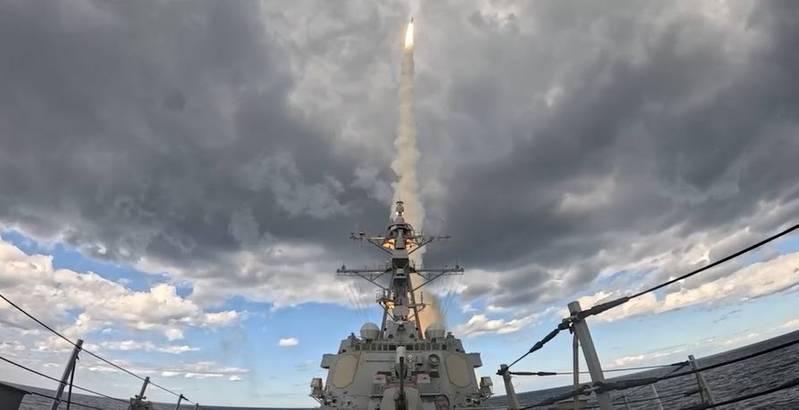
Iran has projected an image of strength and defiance throughout the conflict, with officials emphasizing their ability to withstand the US-Israeli assault.
Iranian Foreign Minister Abbas Araqchi sought to project confidence, declaring: 'It's not a war of survival. We are stable and strong enough,' while dismissing diplomatic engagement as pointless since 'we were talking with them when they decided to attack us, and that was for the second time.'
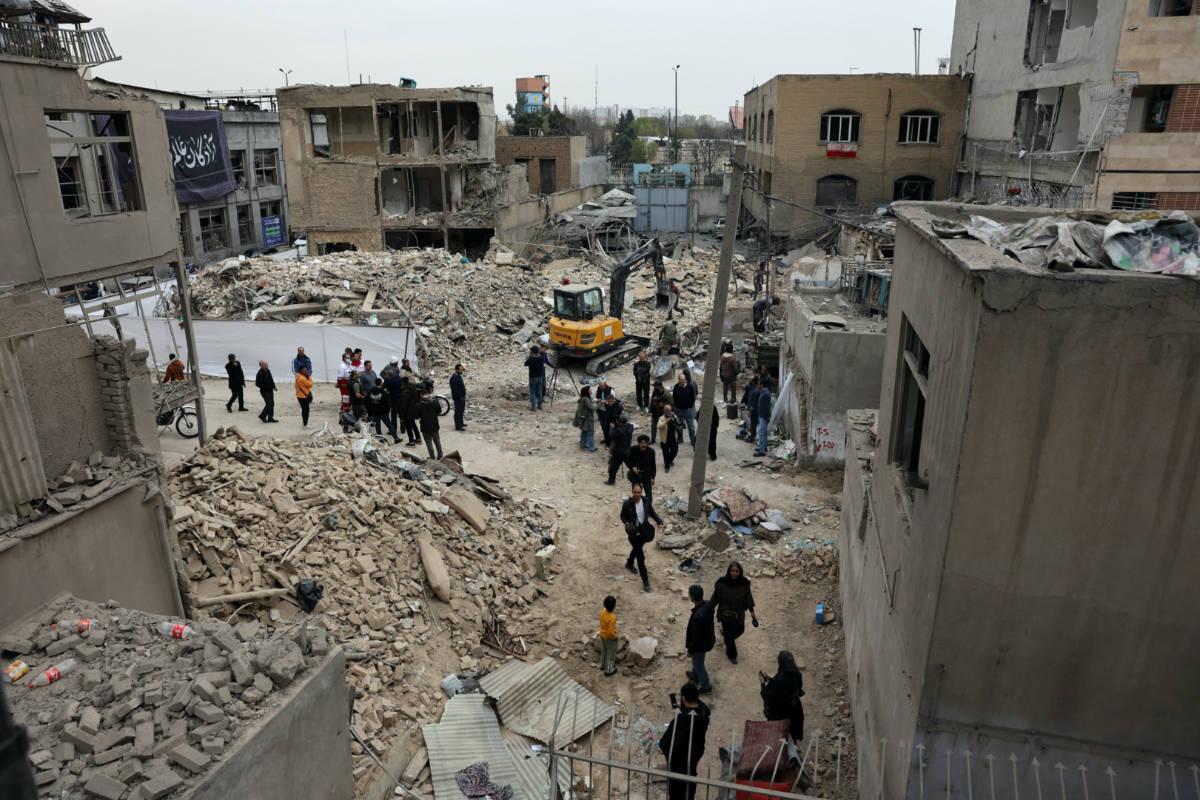
Iran's Revolutionary Guards have demonstrated ongoing military capability by launching additional missile and drone barrages at targets in Israel and three US bases in the region, with Saudi Arabia reporting it had intercepted 10 such attacks.
At the same time, Iranian security forces have intensified domestic security measures, arresting 500 people accused of sharing information with enemies, including dozens specifically charged with providing location details on Iran's military and security assets to Israeli intelligence, according to police chief Ahmadreza Radan.
US Escalation Strategy
The Trump administration has significantly escalated its military campaign against Iran, with President Donald Trump threatening additional strikes on key infrastructure and dismissing diplomatic initiatives to end the conflict. With the war entering its third week, Trump announced that US strikes had 'totally demolished' much of Kharg Island, Iran's main oil export hub, and ominously warned of more attacks, telling NBC News: 'We may hit it a few more times just for fun.'
“With the war entering its third week, Trump said on Saturday that U.S. strikes had 'totally demolished' much of Kharg Island and warned of more, telling NBC News on Saturday, 'We may hit it a few more times just for fun.'”
This marked a sharp escalation from Trump's previous statements that the US was targeting only military sites on Kharg, dealing a major blow to diplomatic efforts to end a war that has already killed more than 2,000 people, most in Iran and Lebanon. The Trump administration plans to announce as early as this week that multiple countries have agreed to form a coalition to escort ships through the vital Strait of Hormuz, which has been effectively closed for most of the world's shipping since the bombing campaign began on February 28, according to the Wall Street Journal.
Humanitarian Crisis
The conflict has triggered a severe humanitarian crisis across the Middle East, with large-scale population movements and significant displacement reported in both Iran and Lebanon. The World Health Organization announced on Sunday that it had released $2 million in emergency funds to countries in the region, which has experienced massive population displacement with more than 100,000 people in Iran relocating and up to 700,000 in Lebanon internally displaced due to the intensifying hostilities.
This humanitarian impact comes amid reports that Israel has begun targeting security checkpoints based on intelligence from informants on the ground, representing a new phase of its assault on Iran. A source briefed on Israel's military strategy told Reuters that Israel had shifted its strategy to targeting roadblocks and bridges it believed Revolutionary Guards commanders were using, indicating an expansion of the conflict's scope and complexity.
Global Response
International efforts to address the conflict and its economic repercussions have intensified, with multiple countries and international organizations scrambling to mitigate the global energy crisis caused by the closure of the Strait of Hormuz. The International Energy Agency announced that oil from its emergency reserves would begin flowing to global markets soon, with member countries pledging to make available 411.9 million barrels to offset the supply disruptions.
“The International Energy Agency on Sunday said oil from its emergency reserves will begin flowing to global markets soon, with member countries pledging to make available 411.9 million barrels.”
US President Trump called on China, France, Japan, South Korea, Britain and other countries impacted by the choking off of oil supplies through the Strait of Hormuz to join efforts to reopen shipping lanes, while British Prime Minister Keir Starmer spoke to Trump about the need to reopen the vital waterway. The Financial Times reported that European Union foreign ministers would discuss expanding the EU's regional Aspides naval mission, which protects shipping against Houthi attacks in the Red Sea, to include the Strait of Hormuz, though German Foreign Minister Johann Wadephul expressed skepticism about such a move.