
Iran war ‘could bring down global economy’ after warning oil could reach $150 a barrel
Key Takeaways
- Qatar's energy minister warned the crisis could collapse world economies and push oil to $150
- US and Israeli bombs pounded energy facilities in Tehran
- Qatar said restoring normal LNG deliveries will take weeks to months after an Iranian drone strike
Regional energy crisis risks
Qatar’s energy minister, Saad al‑Kaabi, warned the widening Iran crisis could "bring down the economies of the world".
“The widening Iran crisis could “bring down the economies of the world” and send oil prices soaring, Qatar’s energy minister warned as US and Israeli bombs pounded energy facilities in Tehran”
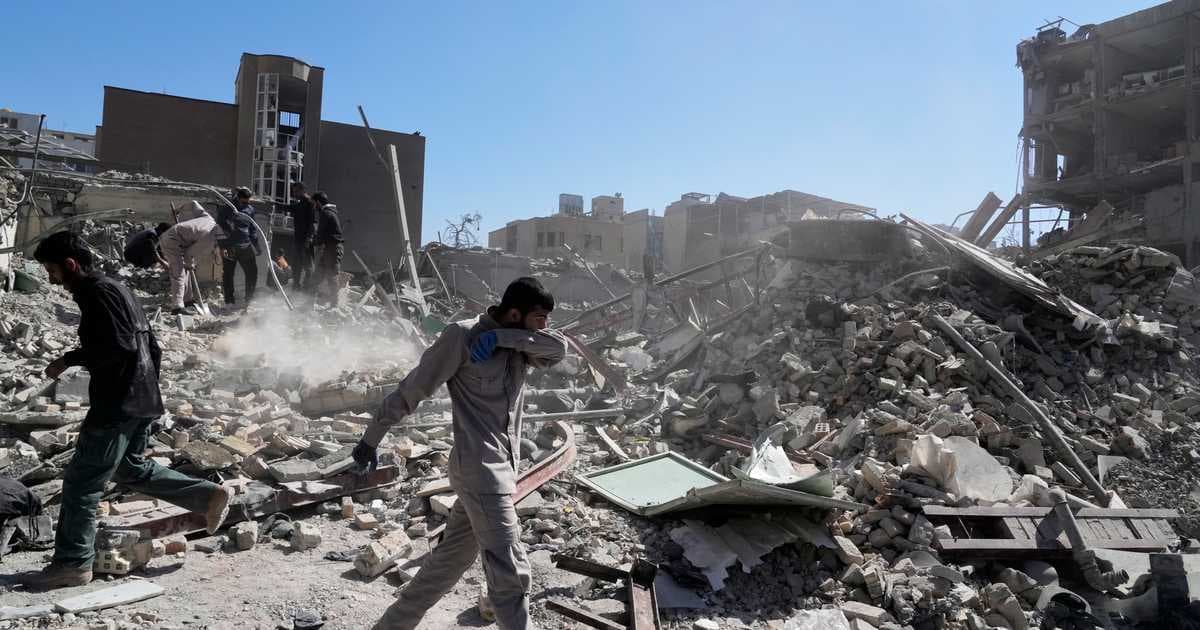
The warning came after an Iranian drone strike at Qatar’s largest liquefied natural gas (LNG) plant and as American and Israeli jets struck four oil depots in Tehran, sending fireballs into the sky.
Al‑Kaabi said it would take his country "weeks to months" to return to its normal delivery pattern.
He said Europe would likely suffer a price spike as Asian buyers outbid Europeans for remaining gas.
Goldman Sachs warned oil could jump to as much as $150 per barrel by the end of March, a scenario the article links to deepening supply disruptions.
The strikes in Tehran appeared to be the first attacks on energy facilities since the start of the war, raising the prospect of a wider assault on regional infrastructure.
Oil market disruption
Markets have already reacted: the price for a barrel of Brent crude was $101.19 shortly after trading resumed on the Chicago Mercantile Exchange, up 9.2% from $92.69 on Friday.
Goldman Sachs found traffic through the Strait of Hormuz had fallen to just 10% of usual levels, and analysts said the impact of Iran’s blockade already appears to be 17 times larger than the April 2022 peak hit to Russian production.
The article reports that shipments from Saudi Arabia, the UAE, Iraq and Kuwait have been suspended by as much as 140 million barrels—equal to about 1.4 days of global demand.
Those suspensions are forcing oil and gas storage in the Middle East Gulf to fill rapidly and prompting production cuts in Iraq, with Kuwait and the UAE most likely to cut next.
Gas supply shock impacts
The crunch threatens consumers and producers worldwide.
“The widening Iran crisis could “bring down the economies of the world” and send oil prices soaring, Qatar’s energy minister warned as US and Israeli bombs pounded energy facilities in Tehran”
Specific vulnerability for the UK was flagged: around 30% of Britain’s electricity comes from gas and more than 70% of homes use gas for heating.
National Gas data showed UK gas stores at 18% of their former capacity on Friday.
Analysts and policymakers warned of cascading effects on inflation and supply chains.
Goldman Sachs estimated a temporary spike to $100/b could slow global growth by 0.4 percentage points.
Morgan Stanley said a prolonged price hike could require the "recession playbook".
Prof Mohamed El-Erian said the UK would be "hit from multiple sides," translating into higher mortgage rates and broader increases in goods and services.
Maritime and energy disruptions
Iran’s Islamic Revolutionary Guard Corps said a commercial oil tanker, the Prima (Maltese flag), was set ablaze in the Strait of Hormuz after being struck by an Iranian suicide drone, and it also claimed to have hit a Marshall Islands‑flagged tanker.
The article reports Tehran’s oil storage "suffered shocks" on Sunday as Israel targeted facilities in the capital.
Industry figures warned of broader industrial knock-on effects, with Young Liu, chair of Foxconn, stating, "If these effects last longer, everyone will start to feel them."
The article underscores that prolonged disruption could push up energy and consumer costs globally.
More on Iran-Israel

Escalation in Iran Pushes Oil Near $120, Sparks Gas Price Surge in Los Angeles
10 sources compared
U.S. Intercepts Iran Message Activating Sleeper Cells After U.S.-Israel Strike Kills Khamenei
14 sources compared

Iran Threatens To Confiscate Property Of Iranians Abroad Who Support US And Israel
14 sources compared
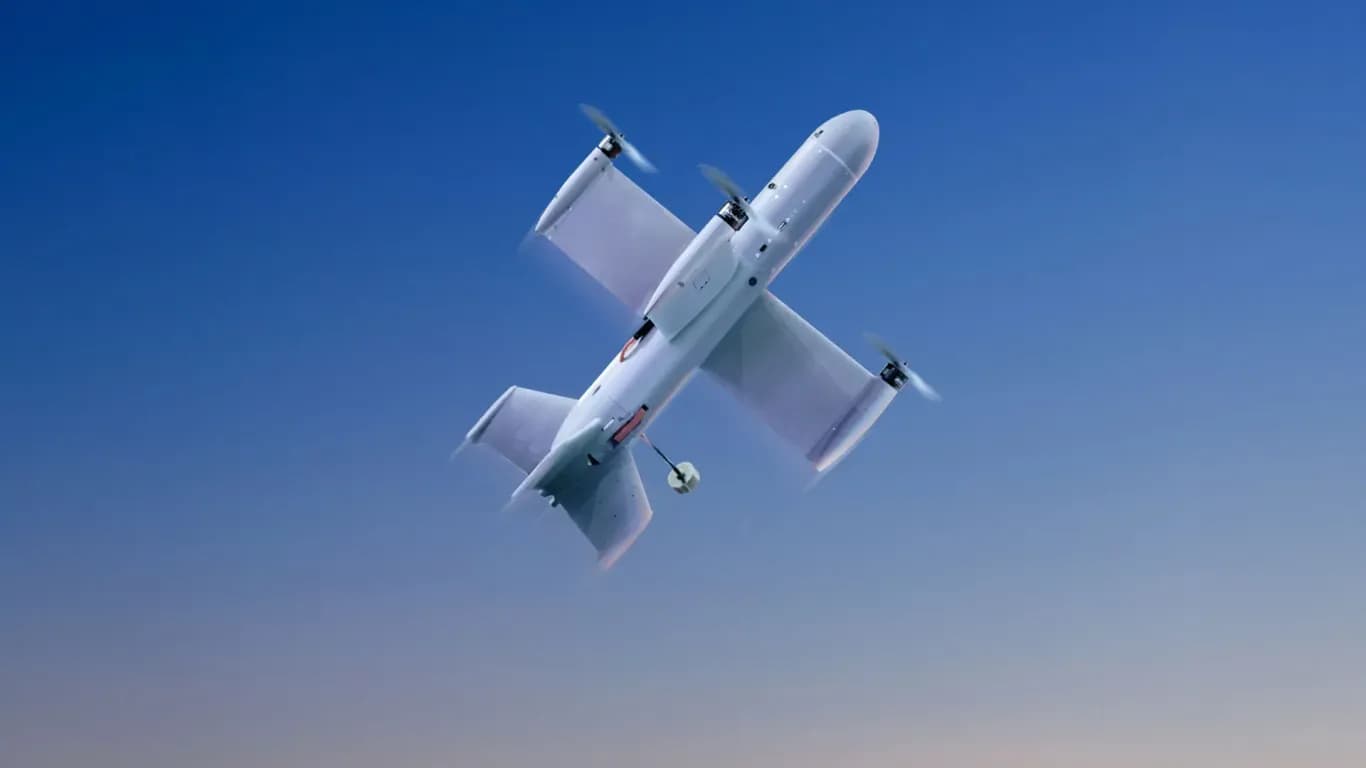
Ukraine Sends Drones, Experts to Shield U.S. Bases in Jordan From Iran
16 sources compared