
Iran War Triggers Global Energy Shock, New Study Finds
Key Takeaways
- Iranian conflict risks triggering global energy market shocks.
- Iran holds the key to reopening global energy markets.
- Global energy markets are shaped by geopolitical dynamics in Iran.
Global Supply Chain Disruption
The Iran war has created a significant global energy shock impacting fertilizer supplies and agricultural markets worldwide.
“When Gary Dirks arrived in China in 1995, the country’s government was looking to source more of its energy at home”
The Strait of Hormuz serves as a major chokepoint for critical shipments, effectively blocked by the conflict.
Roughly one-third of global seaborne fertilizer shipments pass through the strait annually.
Agricultural producers are expressing panic about potential disruptions to the spring planting season.
Major economies like China are taking proactive measures to secure domestic food supplies.
China is implementing strategies to protect against further market volatility caused by the war.
China's Strategic Response
China has positioned itself relatively well to handle the fertilizer crisis caused by the Iran war.
While importing sulfur from the Gulf, China has achieved self-sufficiency in other fertilizer components.
Chinese authorities issued preemptive directives in February to secure fertilizer supplies.
Companies and rail transport were ordered to build up reserves ahead of spring planting.
These measures demonstrate China's foresight and preparedness for geopolitical supply disruptions.
Clean Energy Acceleration
The Iran war has reinforced China's commitment to clean energy policies.
“When Gary Dirks arrived in China in 1995, the country’s government was looking to source more of its energy at home”
Global adoption of renewable technologies is accelerating due to the conflict.
Chinese companies are global leaders in solar panels, EVs, and batteries.
These firms stand to benefit from the trend toward energy independence.
The war has highlighted oil as a geopolitical weapon.
Governments are reassessing the risk balance between importing hydrocarbons and developing renewable energy.
Diplomatic Strategy
International diplomacy and energy security are central to China's response strategy.
Chinese officials call for immediate de-escalation of the Iran conflict.
The government emphasizes maintaining safe waters in the Strait of Hormuz for international trade.
Officials warn that conflict spread could have catastrophic global consequences.
China is committed to peaceful resolution while protecting national interests.
The nation adopts a dual approach combining diplomacy with strategic preparedness.
Strategic Validation
Experts view the Iran war shock as validation of China's long-term energy strategy.
“When Gary Dirks arrived in China in 1995, the country’s government was looking to source more of its energy at home”
The conflict demonstrates vulnerabilities in traditional energy dependencies.
China's approach of diversifying energy sources is being vindicated by current events.
The nation has invested heavily in domestic renewable energy infrastructure.
Reducing reliance on imported hydrocarbons proves advantageous during geopolitical conflicts.
Many analysts see this crisis as evidence supporting China's clean energy push.
More on Iran
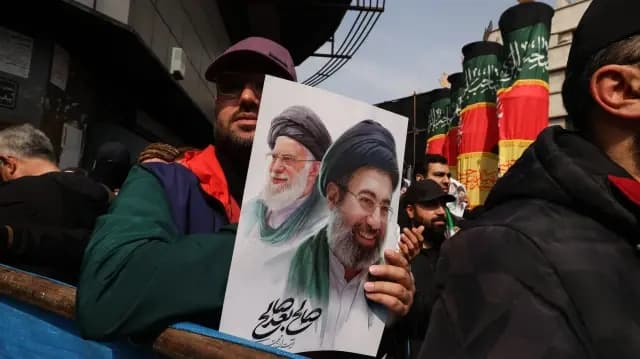
Russia Secretly Airlifts Iran's Supreme Leader Mojtaba Khamenei to Moscow for Surgery
11 sources compared
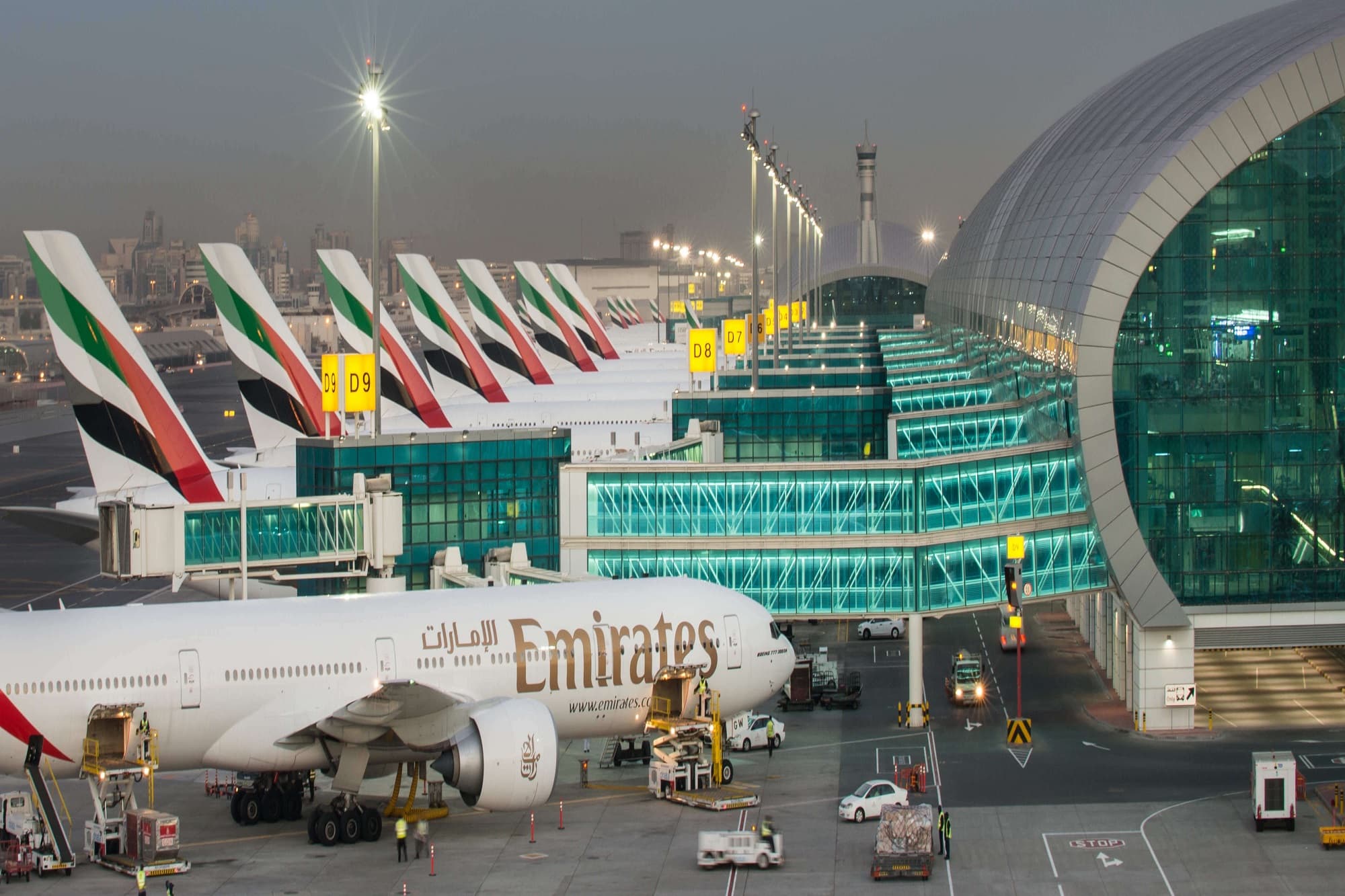
Iranian Drone Strike Shuts Dubai International Airport, Thousands Stranded
25 sources compared

Iran Drone Strike Shuts Dubai International Airport, Triggers Global Travel Disruption
16 sources compared

Iran's New Supreme Leader Mojtaba Khamenei Travels to Moscow for Leg Surgery
15 sources compared