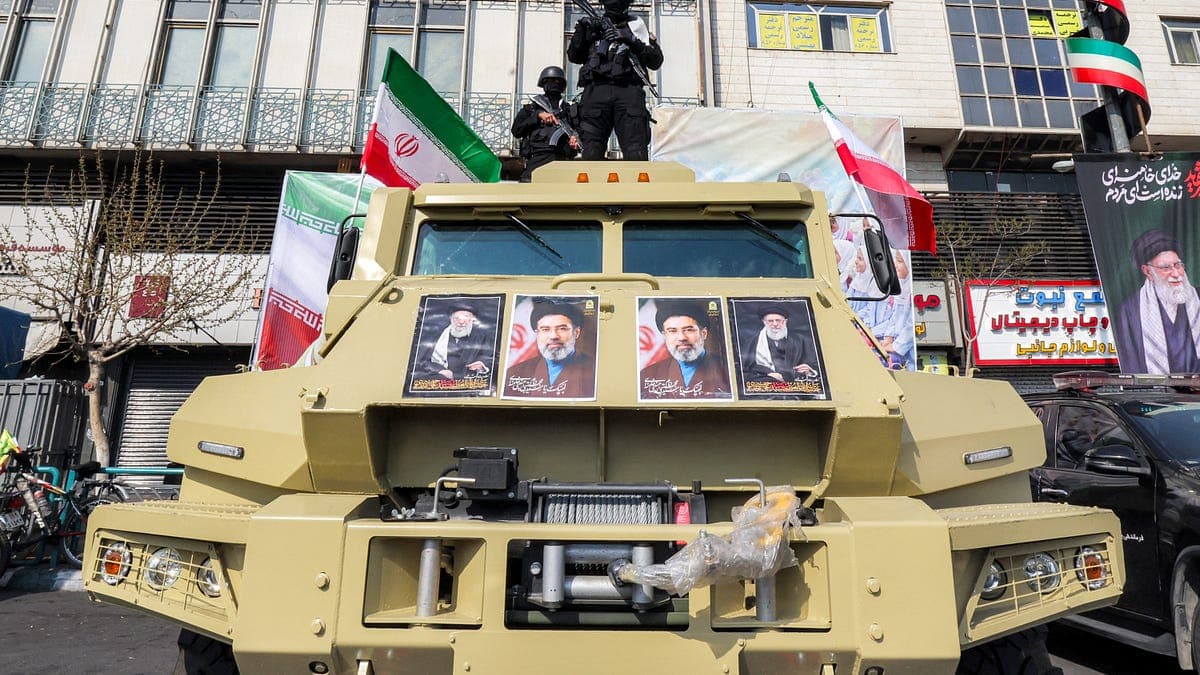
Iran Weighs Tactical Shift in Persian Gulf Strikes While Intensifying Attacks on Israel
Key Takeaways
- Iran weighs a tactical shift in its Persian Gulf strikes
- Iran intensifies attacks on Israel
- Iran achieved most of its tactical aims against U.S. military infrastructure
Iran strike strategy
A senior Iranian official told Drop Site that Iran is considering reducing strikes inside most Arab countries that host U.S. military bases while expanding attacks against Israel.
“Iran Weighs Tactical Shift in Persian Gulf Strikes While Intensifying Attacks on Israel A senior Iranian official told Drop Site that Iran has achieved most of its tactical aims against U”
The official, who requested anonymity, said Tehran has largely achieved its tactical aims against U.S. military infrastructure by degrading major radar systems and depleting interceptor stockpiles.
The official said operations may nonetheless continue against U.S. bases in two unnamed countries and noted Iran has escalated attacks in Bahrain, which hosts the U.S. Navy’s 5th Fleet.
Iran's Foreign Ministry spokesman Esmail Baghaei defended the strikes as self-defense and said Tehran will continue to target U.S. military infrastructure in countries whose territory is used in attacks against Iran.
Iran's retaliatory campaign details
Drop Site reports that Iran launched a decentralized retaliatory campaign within hours of the strike that assassinated Supreme Leader Ayatollah Ali Khamenei.
The campaign then shifted to more centrally coordinated operations as the conflict progressed.
A senior official said Iran’s military actions are now more organized in timing and target selection and are aimed at "exerting maximum pressure on U.S. and Israeli interests in the region in order to compel them to move toward halting the war and de-escalating the situation."
Iran’s Foreign Minister Abbas Araghchi posted about a dramatic rise in global oil and gas prices, warned that Iran has "many surprises in store," and called the campaign 'Operation Epic Mistake' in commentary on X.
Iran leadership succession
Iran’s Assembly of Experts named Mojtaba Khamenei as Supreme Leader.
“Iran Weighs Tactical Shift in Persian Gulf Strikes While Intensifying Attacks on Israel A senior Iranian official told Drop Site that Iran has achieved most of its tactical aims against U”
The decision was seen in Tehran as asserting sovereignty and continuity, the article says.
A senior official and analysts quoted by Drop Site argued the choice will probably escalate the war in the short term.
The article notes that, in addition to the assassination of his father, the U.S.-led war has killed Mojtaba Khamenei’s mother, his wife and one of his children.
Amal Saad and Abdullah Al-Arian said the succession consolidates resistance-based legitimacy and reflects close ties to the IRGC and other decision-making bodies.
Diplomatic and military fallout
President Masoud Pezeshkian released a video that was widely reported as an apology and a promise to end strikes, and President Donald Trump celebrated the comments.
Iranian officials quickly clarified that Pezeshkian was acknowledging collateral damage and emphasized that Iran reserves the right to respond to aggression.
After a desalination plant in Iran was bombed—a strike Tehran blamed on the U.S. and called a war crime—Iran conducted heavy strikes across the region, including on a U.S. base in Bahrain.
Gulf states circulated a U.N. Security Council draft condemning Iran, while Russia circulated a more neutral draft.
Analysts told Drop Site that Gulf governments are cautious because of their ties to the U.S.
The senior Iranian official and scholar Amal Saad said Iran will continue counterstrikes and will not accept a temporary ceasefire that leaves open the possibility of renewed attacks, insisting on a deterrence-restoring framework before agreeing to a durable ceasefire.
More on Iran-Israel

Escalation in Iran Pushes Oil Near $120, Sparks Gas Price Surge in Los Angeles
10 sources compared
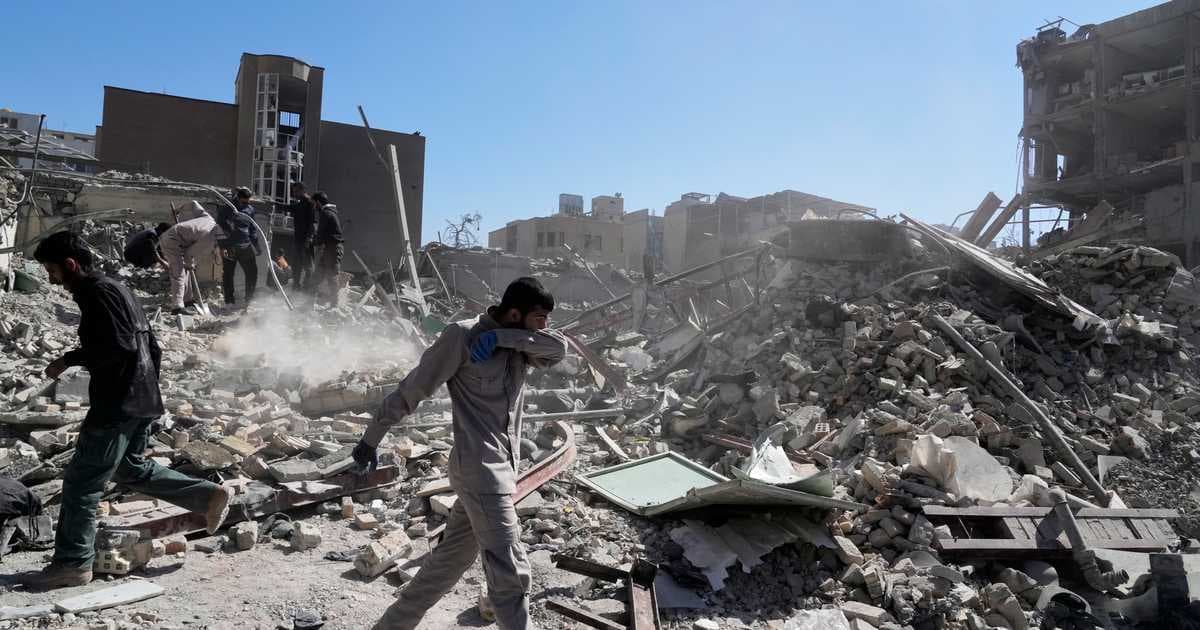
U.S. Intercepts Iran Message Activating Sleeper Cells After U.S.-Israel Strike Kills Khamenei
14 sources compared

Iran Threatens To Confiscate Property Of Iranians Abroad Who Support US And Israel
14 sources compared
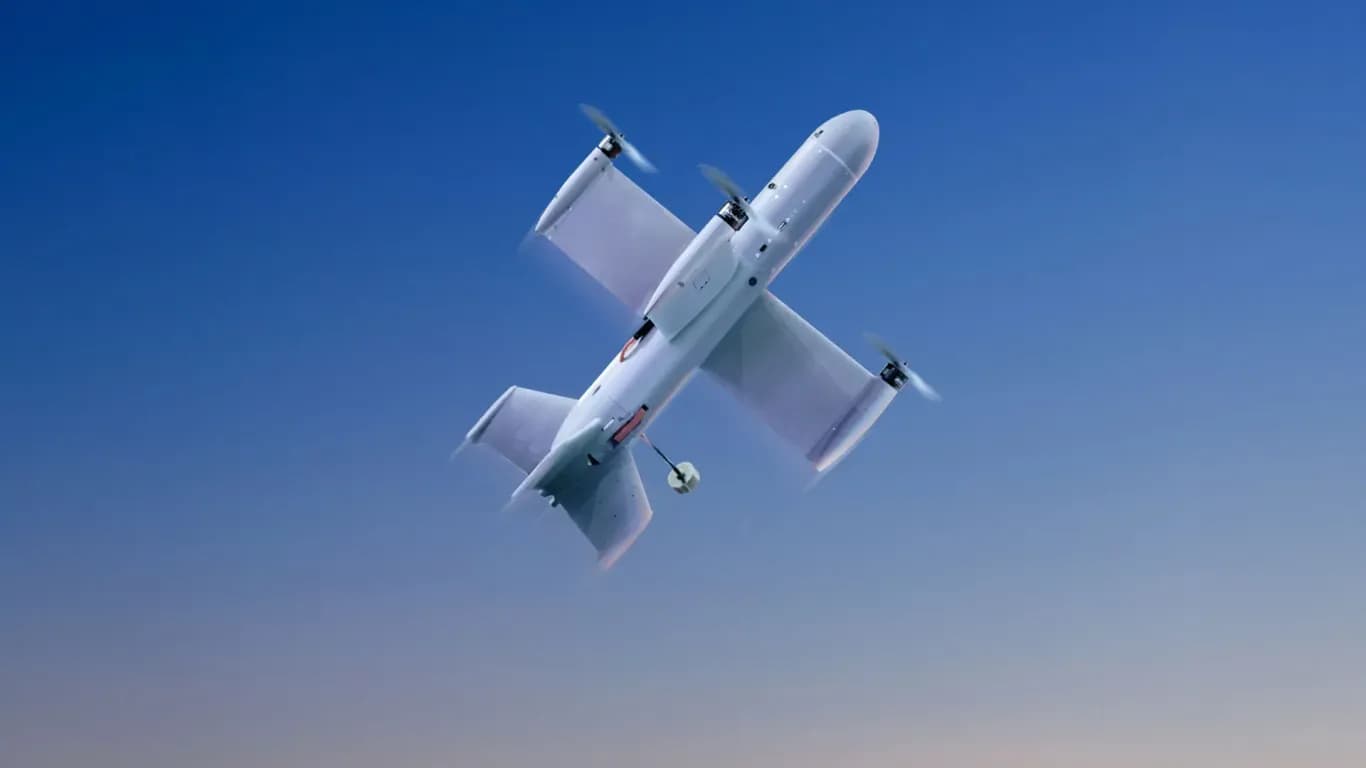
Ukraine Sends Drones, Experts to Shield U.S. Bases in Jordan From Iran
16 sources compared